Share
Stop Fearing the Carbs in Your Hydration Mix — Here's Why They're Doing Their Job
You've been told carbs are something to manage, minimize, or "burn off." So the first time you check the label on an isotonic drink mix and see 21 grams of carbohydrate per serving, the instinct is to wince.
Wrong instinct. Wrong drink to wince at.
During a workout, carbs aren't the enemy — they're the fuel your muscles are actively asking for. The real question isn't "why does my hydration mix have carbs," it's "why doesn't it have more electrolytes and fewer of the wrong kind of sugar." Let's get into what the research actually says, and why isotonic formulations were built around this exact tradeoff.
What "Isotonic" Actually Means (and Why It Matters More Than You Think)
Isotonic means the concentration of particles in the drink roughly matches the concentration in your blood plasma. Practically, that means it moves out of your stomach and into your bloodstream fast — faster than water alone in many cases, and without the gut-sloshing feeling you get from a hypertonic, sugar-heavy sports drink chugged too fast.
That speed matters because during exercise, blood flow to your gut drops as it's redirected to working muscles and skin (for cooling). Anything that absorbs slowly is going to sit there. An isotonic formulation is designed to get out of your stomach and into circulation while you're still moving, so hydration and energy show up when you need them — not twenty minutes after you've already bonked.
The Carbohydrate Science: 30–90g Per Hour Isn't a Guideline, It's a Performance Lever
This is the part most casual athletes have never been told directly: sports science bodies don't just tolerate carbohydrate intake during exercise — they prescribe it.
Guidance from the American College of Sports Medicine has long centered on a range of roughly 30–60 grams of carbohydrate per hour during exercise lasting more than an hour, with more recent research pushing that ceiling considerably higher — up to 90 g/h for longer efforts, and some elite-level protocols testing even further beyond that using multiple-transportable-carbohydrate blends. The reasoning isn't about topping off calories. It's about keeping exogenous carbohydrate available for oxidation while sparing your limited muscle glycogen stores, which is what actually determines how long you can hold pace before things fall apart.
A widely cited crossover study on trained cyclists found that a carbohydrate-electrolyte drink extended endurance capacity by roughly 60% compared to water alone — not because the water was bad, but because it wasn't giving working muscle anything to burn.
Survey research on real-world endurance athletes backs this up outside the lab too: liquid carbohydrate sources, specifically sports drinks, were the most commonly used fuel source during both moderate and high-intensity training sessions, ahead of bars, gels, and whole foods like bananas — largely because they solve fluid, carbohydrate, and electrolyte needs in a single, no-chewing-required format.
The takeaway: if you're skipping the carbs in your drink mix because it "feels healthier," you're not being disciplined — you're leaving performance on the table during the exact window where carbs are doing the most good.
Sodium Is Doing More Work Than You Think, Too
Carbs get all the attention on nutrition labels, but the electrolyte side of an isotonic mix is just as deliberate. Sodium supports fluid absorption in the intestine, helps maintain plasma volume as you sweat, and is one of the few things standing between you and the mid-run cramp that ends your session early. Formulations that combine sodium in the 400+ mg per serving range with moderate carbohydrate are built to match what's actually leaving your body through sweat — not an arbitrary number.
This is also why "just drink water" doesn't hold up for anything past about an hour of real effort. Water alone dilutes sodium concentration in the blood as you sweat out electrolytes, which is part of what drives that heavy, foggy, cramping feeling late in a long run or ride.
The Anecdotal Side: What This Actually Feels Like Mid-Session
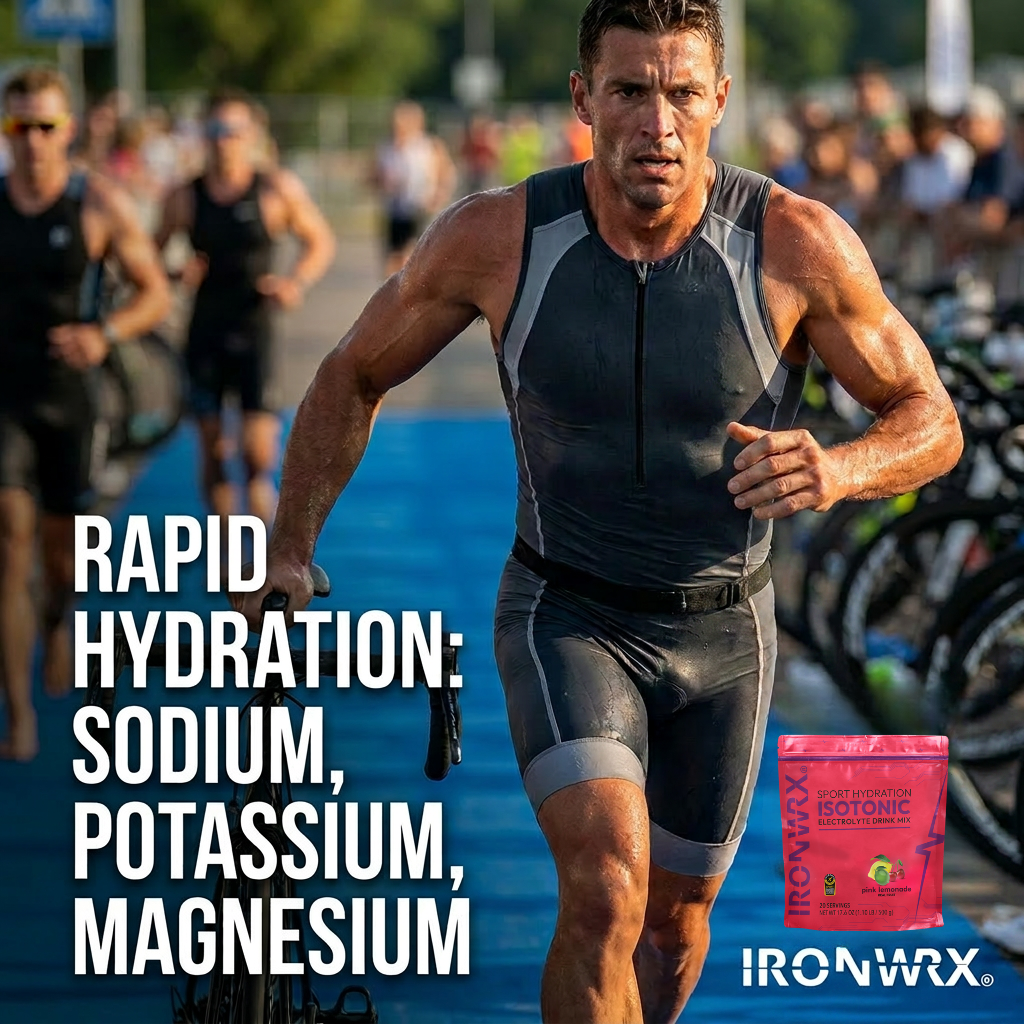
Ask any triathlete who's bonked at mile 18 of a marathon leg, or any cyclist who's watched their power numbers fall off a cliff two hours into a long ride, and they'll tell you the same thing: it's rarely a hydration problem in isolation. It's a fuel problem wearing a hydration costume. The legs go heavy, the brain gets foggy, and pace becomes a negotiation instead of a plan.
The athletes who don't hit that wall as hard are, almost without exception, the ones sipping something with carbs and electrolytes on a schedule — not waiting until they're already thirsty or already cramping to react.
Real Fruit, No Artificial Flavors — Because Transparency Matters as Much as the Formula
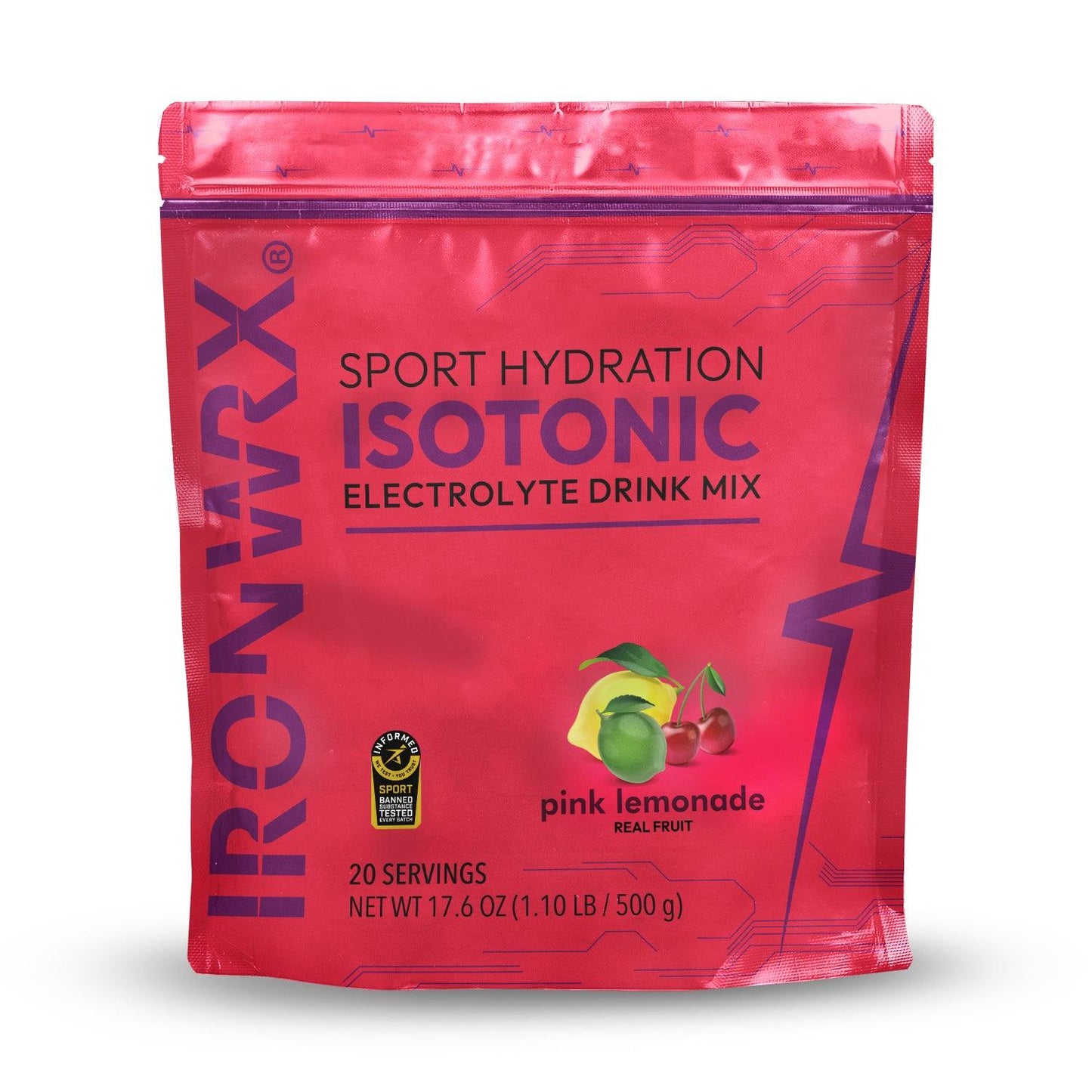
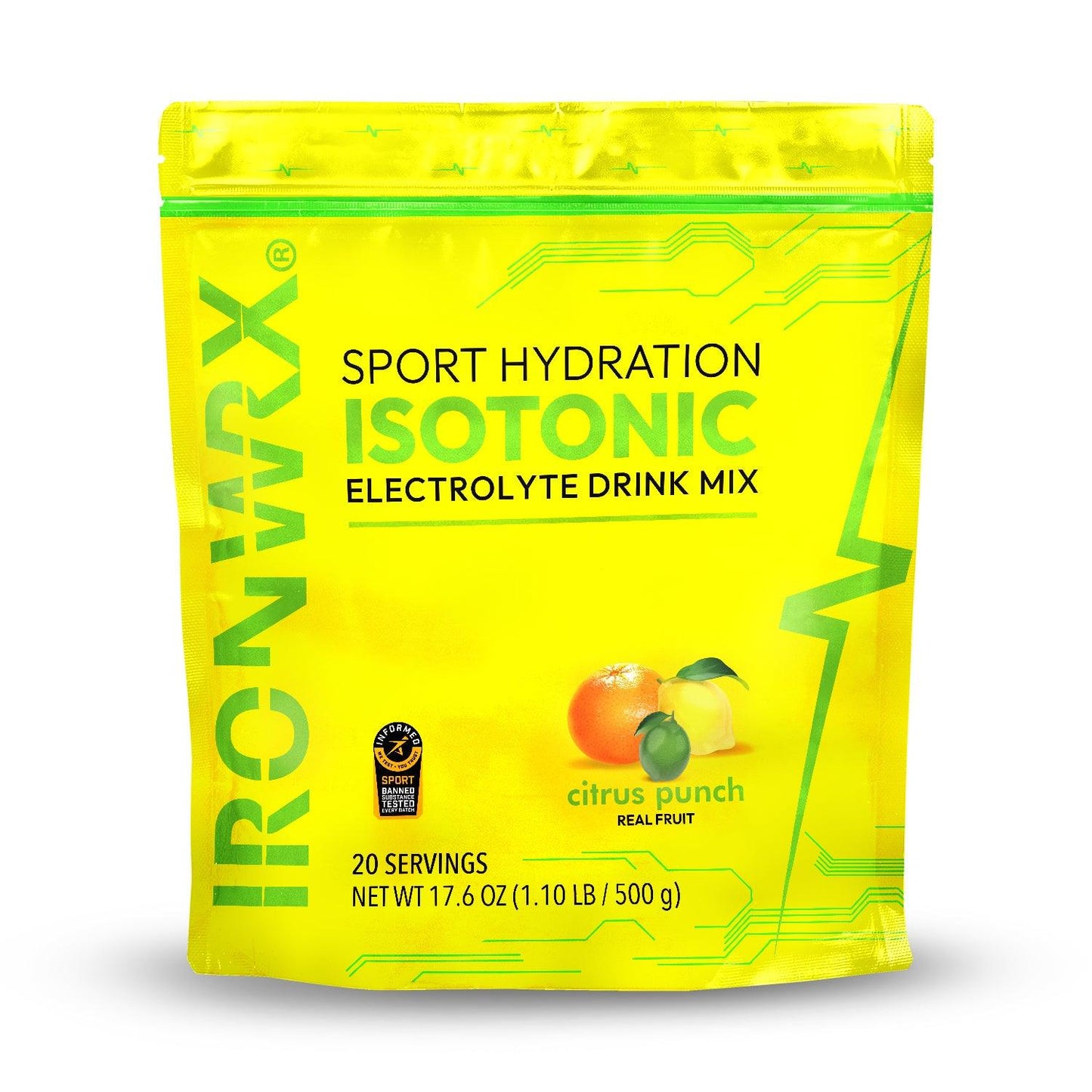
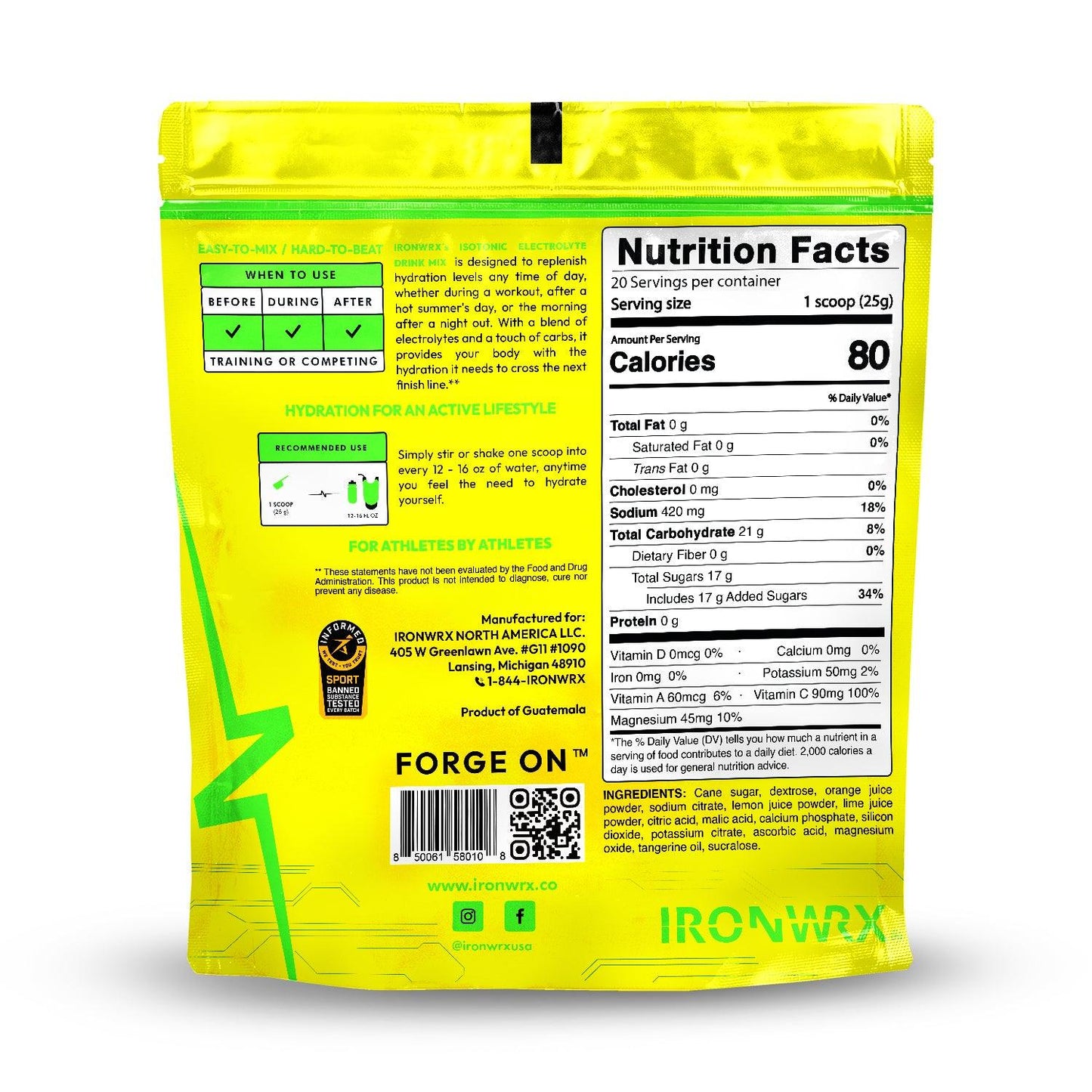
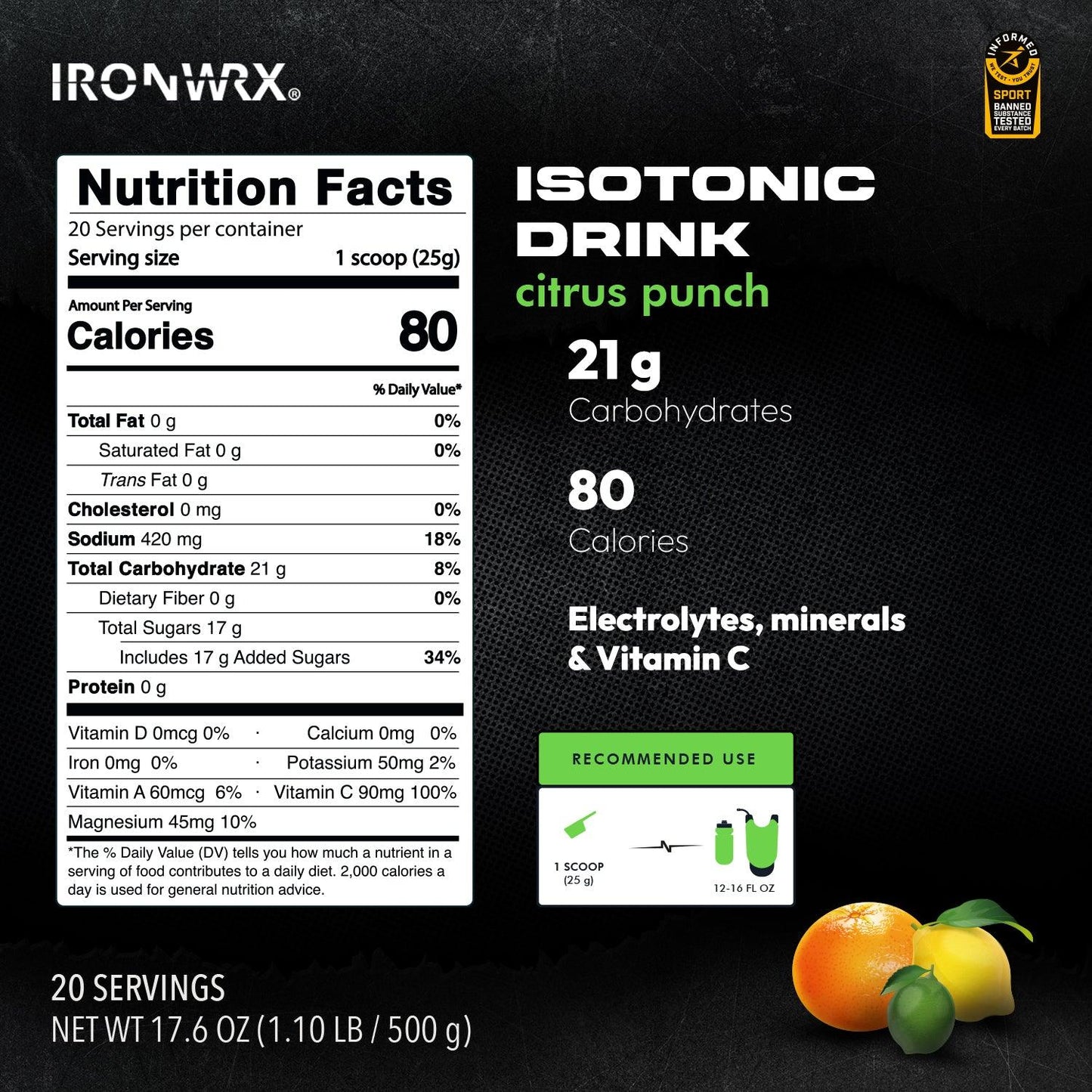
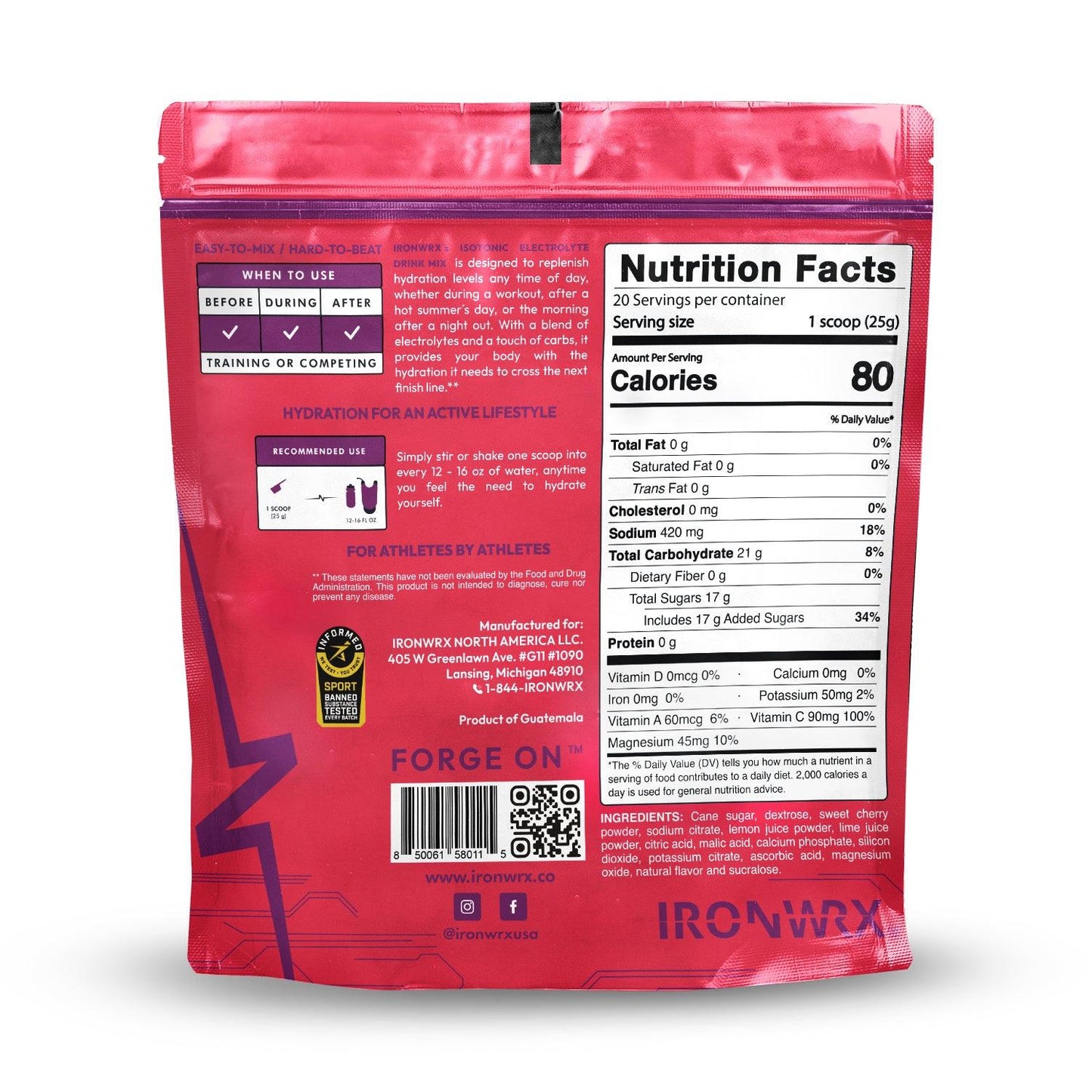
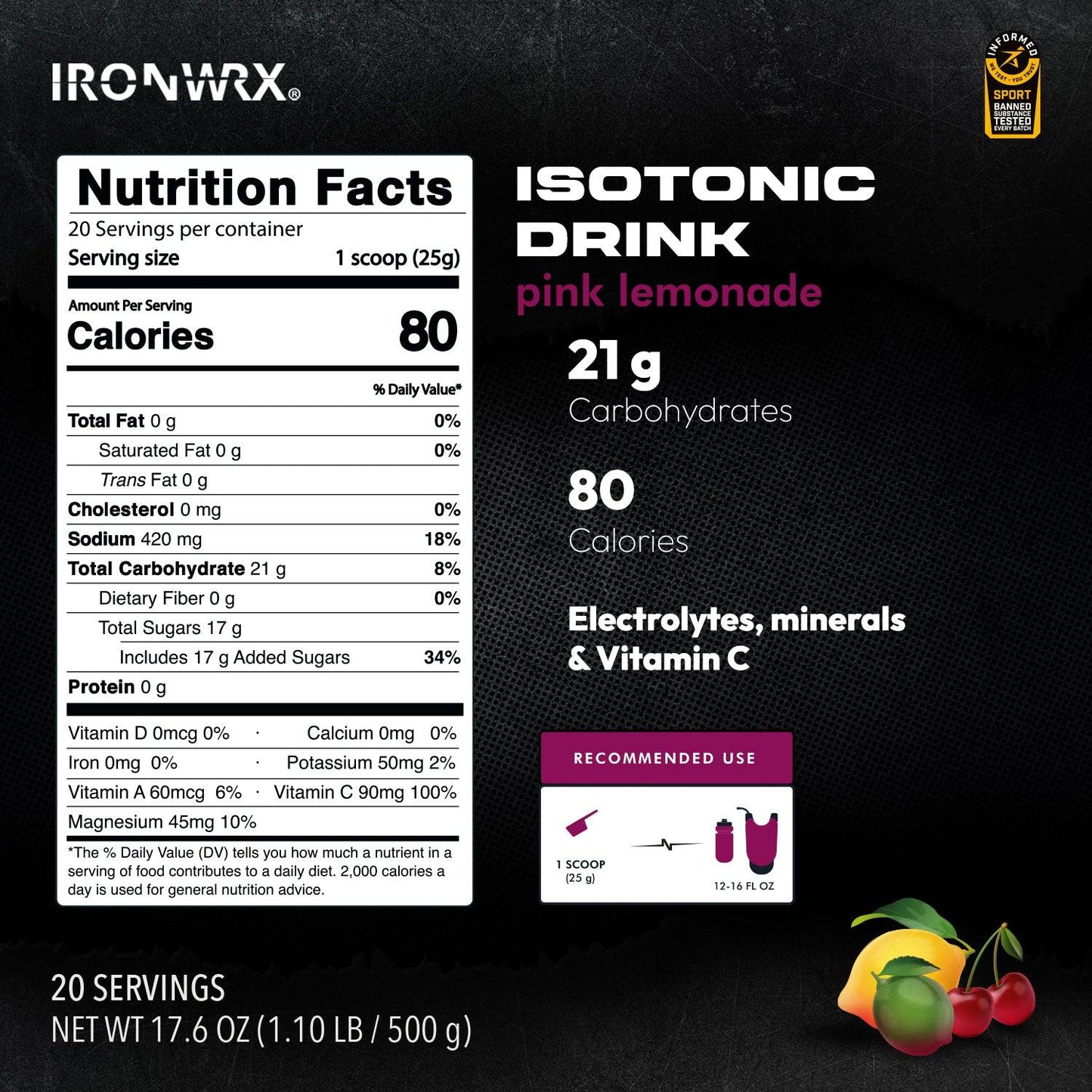
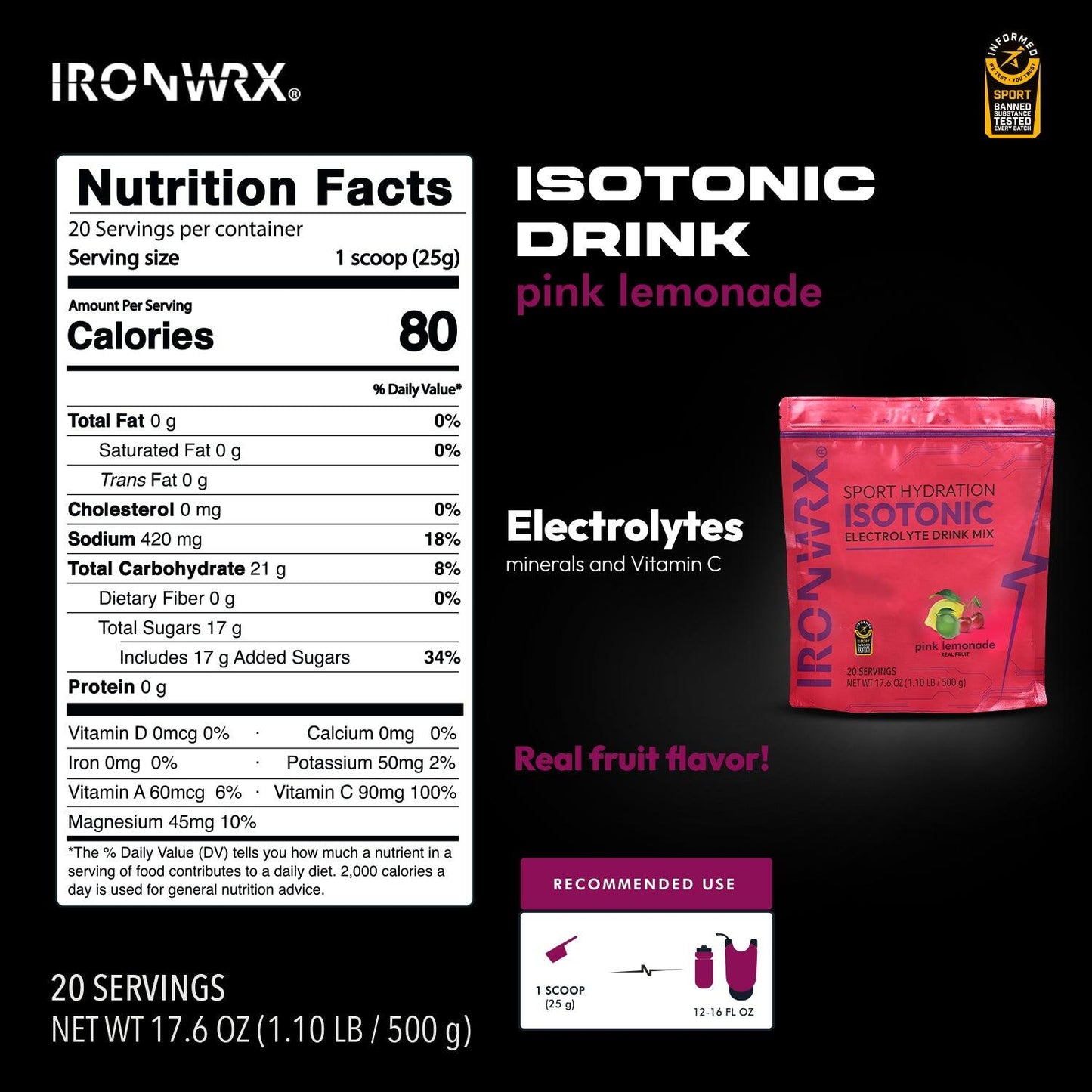
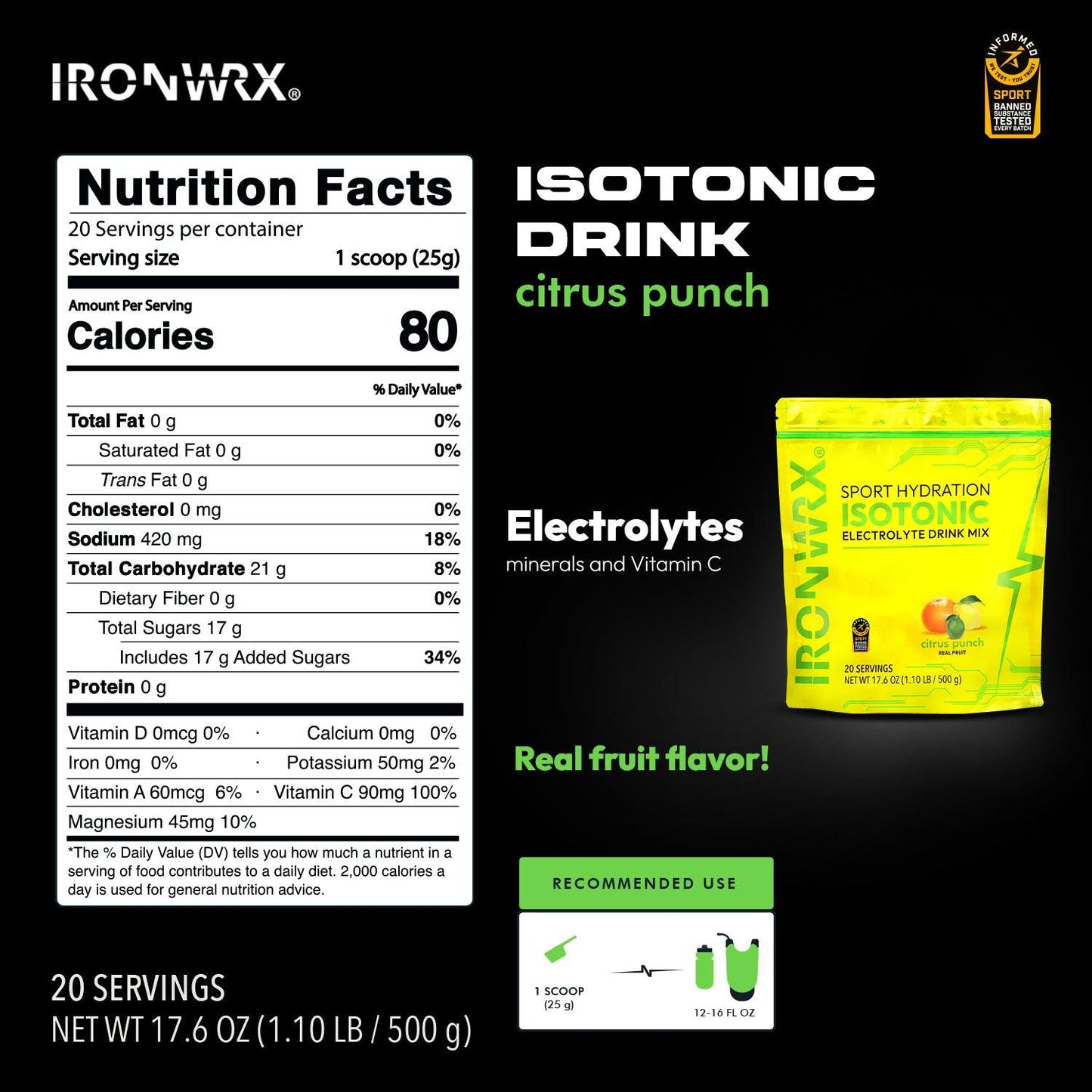
None of this science matters if what you're drinking is full of ingredients you can't pronounce or don't trust. IRONWRX Sport Hydration Isotonic Electrolyte Drink Mix is built on the same principle as the research above: 21g of carbohydrate and 420mg of sodium per serving, flavored with real fruit — not artificial flavoring — because performance nutrition and ingredient honesty shouldn't be a tradeoff.
Every batch is Informed Sport certified, tested for over 250 substances banned in sport, so tested athletes and weekend racers alike can use it with confidence.
The Bottom Line
Carbs during exercise aren't a cheat, a compromise, or something to minimize. They're a performance tool with decades of research behind the dosing. An isotonic hydration mix is simply carbohydrate and electrolytes delivered in the format your body absorbs fastest, right when you need it most.
Next long run, ride, or race — don't skip the mix because of the carb count. Use it because of it.
Ready to fuel smarter? Grab IRONWRX Isotonic Drink Mix
FAQ
Do I need carbs if my workout is under an hour? Generally, no — for shorter, lower-intensity sessions, water and your normal diet are typically enough. The 30–90g/hour carbohydrate guidance is aimed at exercise lasting longer than about 60 minutes.
Will drinking carbs during a workout make me gain weight? Carbohydrate consumed during exercise is being actively used as fuel by working muscle, not stored the way it might be at rest. The context of when you consume it matters.
What's the difference between isotonic and hypertonic drinks? Isotonic formulas are designed for rapid absorption during shorter, high-intensity efforts. Hypertonic formulas carry a higher carbohydrate load, better suited to long-duration, high-output sessions where sustained energy delivery matters more than absorption speed.
Is it safe for athletes who get drug tested? Look for Informed Sport certification specifically — it means every batch is tested for substances banned in sport, not just a general label claim.
Sources referenced: American College of Sports Medicine carbohydrate guidelines; Frontiers in Nutrition survey on endurance athlete fueling practices.