Share
Triathlon Nutrition by Leg: Fueling the Swim-Bike-Run Transition
Triathlon gets called the sport with three disciplines, but anyone who's actually raced one knows there's a fourth: nutrition. And unlike a marathon, where your fueling strategy is basically one long, continuous decision, triathlon nutrition changes completely from one leg to the next. What works on the bike will wreck your stomach on the run. What you skip in the swim, you have to make up for later. Get the sequencing wrong and it doesn't matter how strong your legs are — you'll walk the back half of the run.
Here's how to think about fueling leg by leg, and how that plan should shift depending on whether you're racing a sprint or a full-distance Ironman.
Before the Gun Goes Off
Your race-day fueling starts the night before, not at the start line. The most important meal isn't dinner — it's breakfast the day before your race, since that gives your body a full 24-hour window to load muscle glycogen before you need it.
Race morning, aim for a breakfast that's mostly easily digestible carbohydrate, light on fat and fiber (both slow digestion and raise your risk of GI issues once you're moving) — think oatmeal, white rice, a bagel, or a banana — roughly 2–4 hours before your start time. For sprint and Olympic distances, this pre-race meal often carries more of your total race-day fueling load than anything you'll take in during the event itself.
The Swim: There's No Fueling Here — And That's Fine
You're not eating or drinking during the swim leg, full stop. For most race distances, that's not a problem — the swim is short relative to the race, and you came in fueled from breakfast. For longer events (70.3 and full-distance), some athletes take a gel in the final minutes before the swim start, since it takes roughly 15–20 minutes to digest and hits the bloodstream right around the time you're heading into T1.
T1: Keep It Simple
Transition 1 isn't the place to start a full fueling routine — you've got wetsuit, shoes, and helmet to deal with. If you're taking anything here, keep it to a quick sip of fluid or, for longer races, the gel you may have started in the water. Save the real fueling strategy for the bike, where you actually have the time and stability to execute it.
The Bike: Your Main Fueling Window
This is where the real work happens. Cycling is the one leg where eating and drinking is actually manageable — you're in a stable position, your hands are free, and your gut isn't taking the pounding it will on the run. That makes the bike leg your primary carbohydrate and fluid intake window, and most triathletes should be front-loading nutrition here rather than saving it for later.
General carbohydrate targets (current sports nutrition guidance, adjusted by race duration):
- Under 2.5 hours (sprint/Olympic): 30–60g of carbohydrate per hour
- Longer efforts (70.3/full distance): 60–90g per hour, and up to 90-120g/hour for athletes who've specifically trained their gut to handle it
Above roughly 60g/hour, a single carb source (glucose alone) starts to hit its absorption ceiling — this is why higher intake rates rely on multiple carbohydrate sources (like a glucose-fructose blend), which use separate gut transporters and let you take in more without overwhelming your stomach. This is exactly what IRONWRX Hypertonic Performance Drink is built around: a multi-source carbohydrate blend (maltodextrin, dextrose, isomaltulose) delivering 43g of carbs per serving with a staggered release, designed for long, high-output efforts rather than a quick spike.
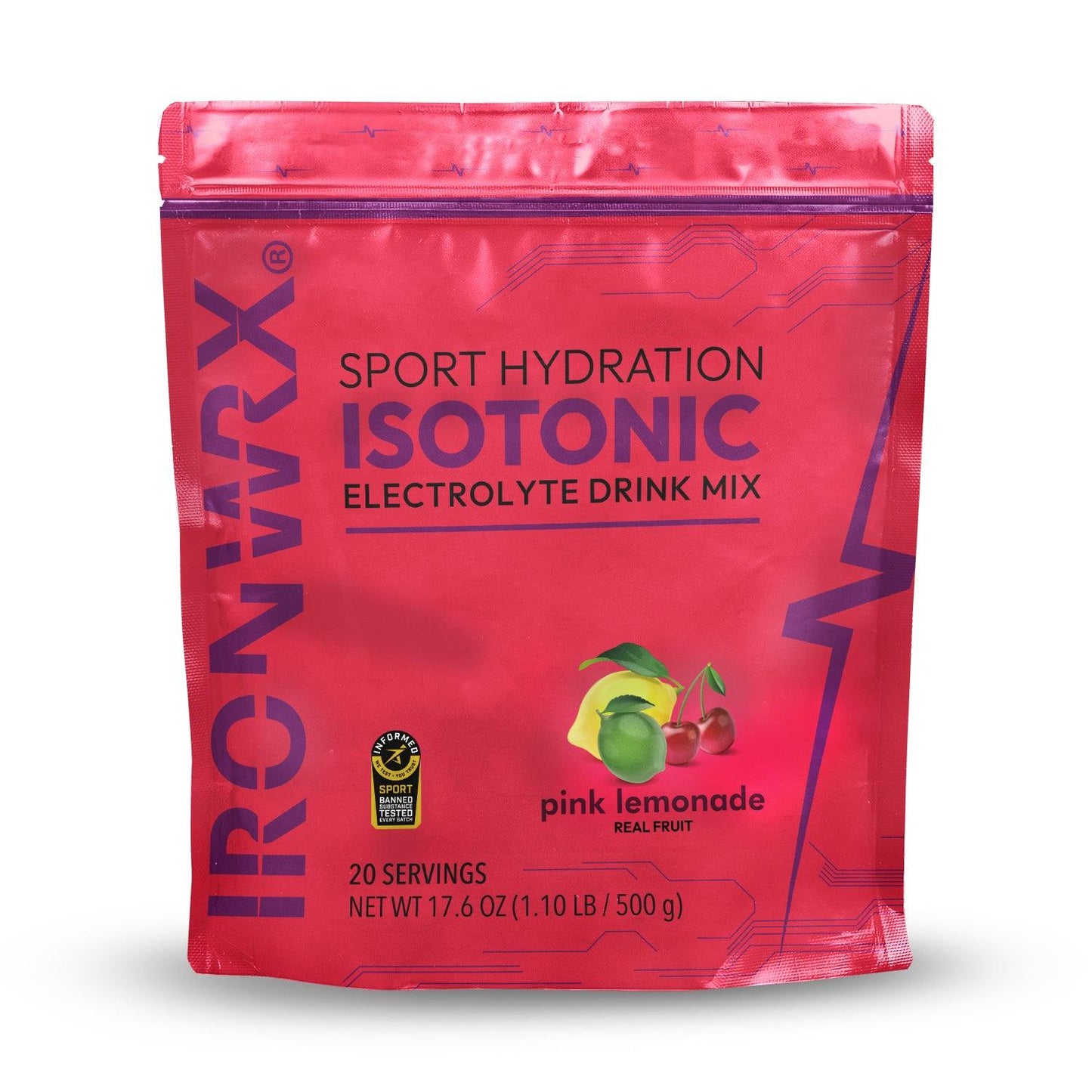
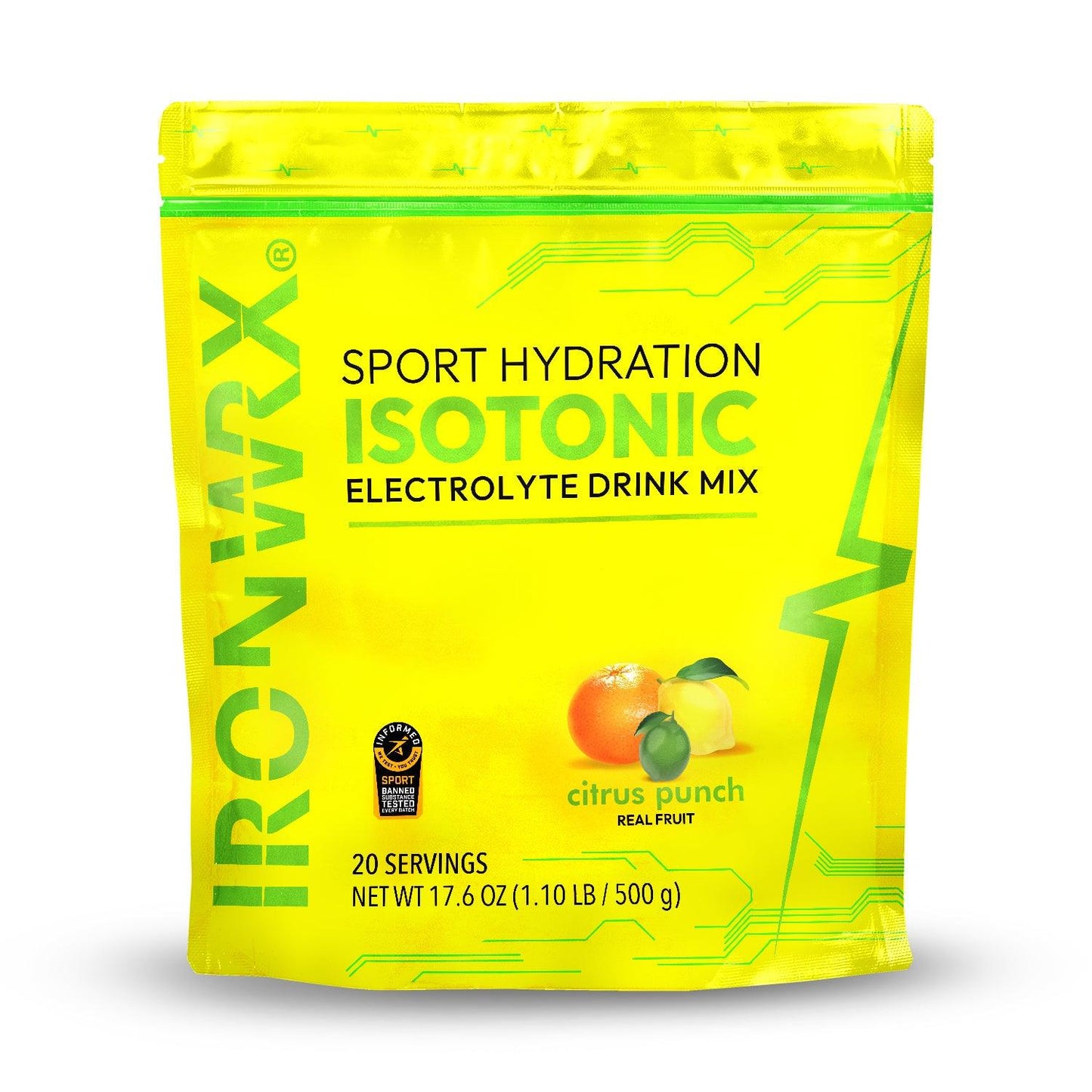
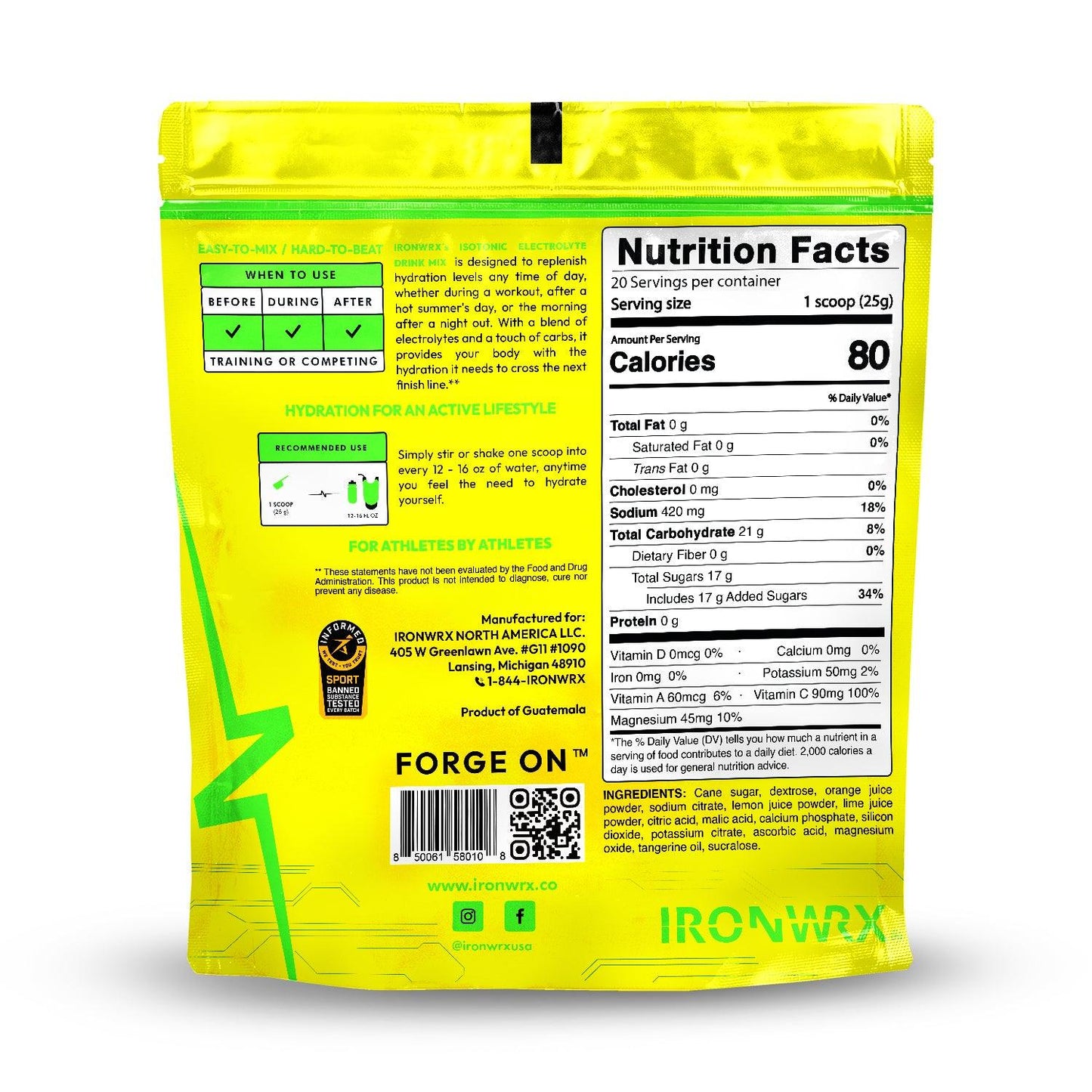
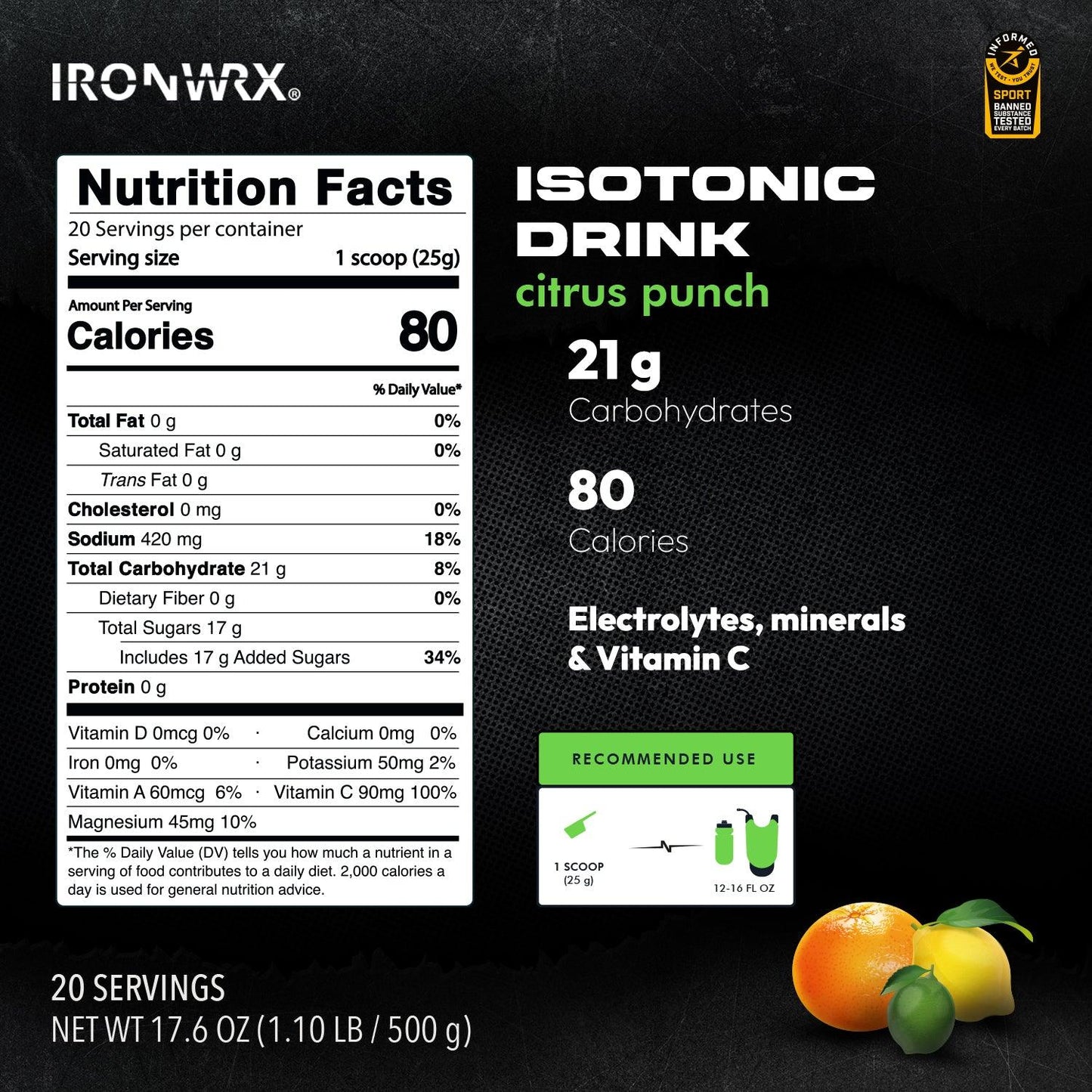
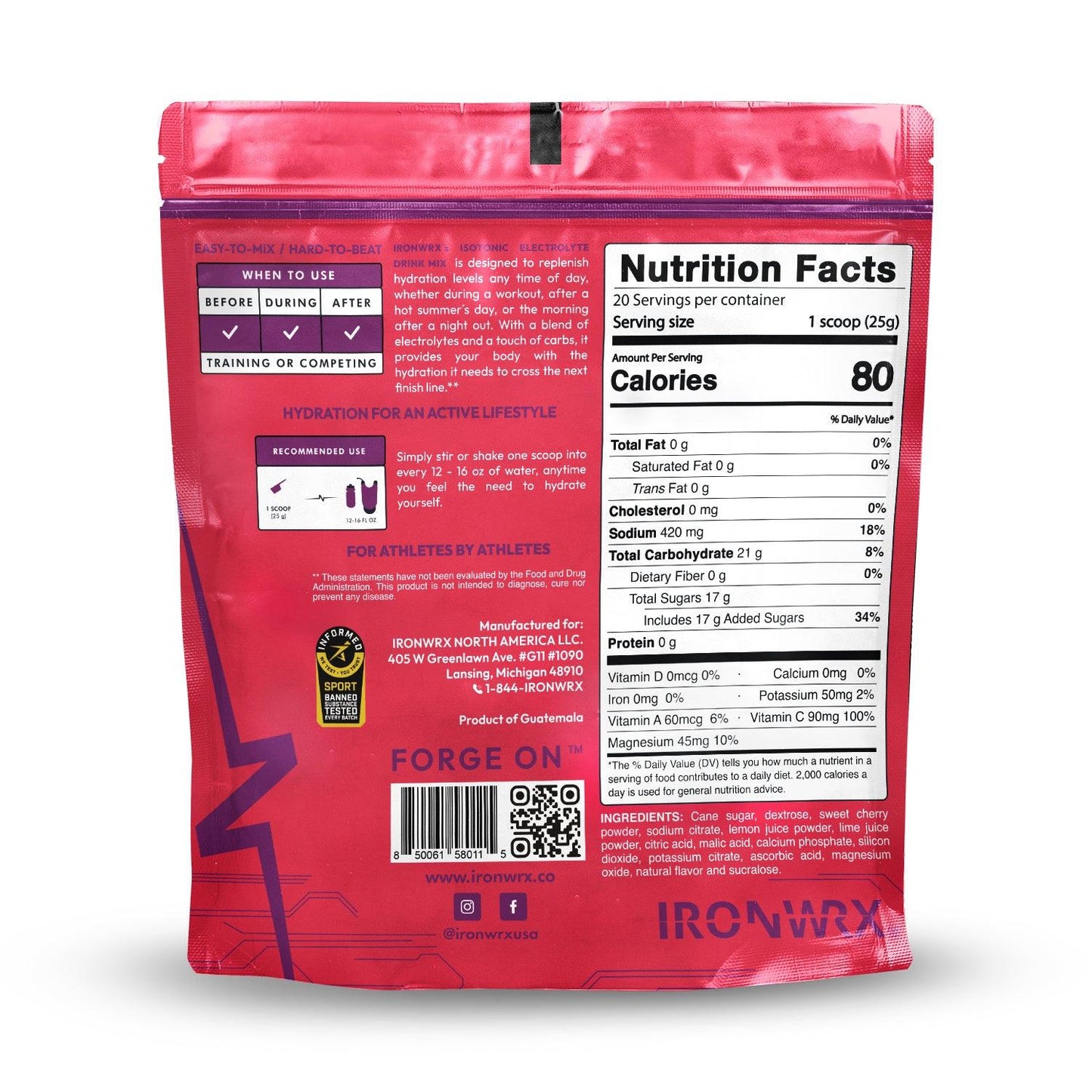
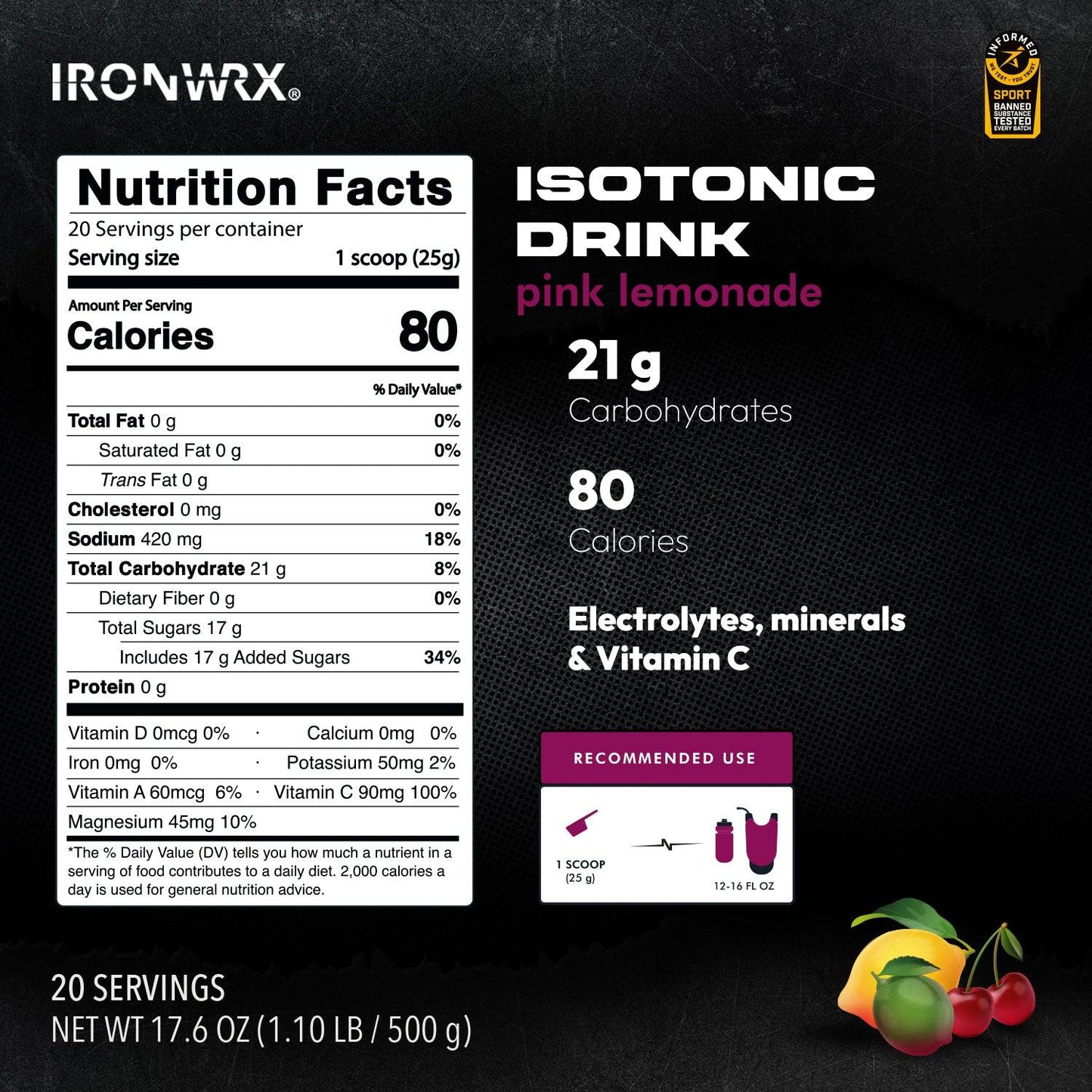
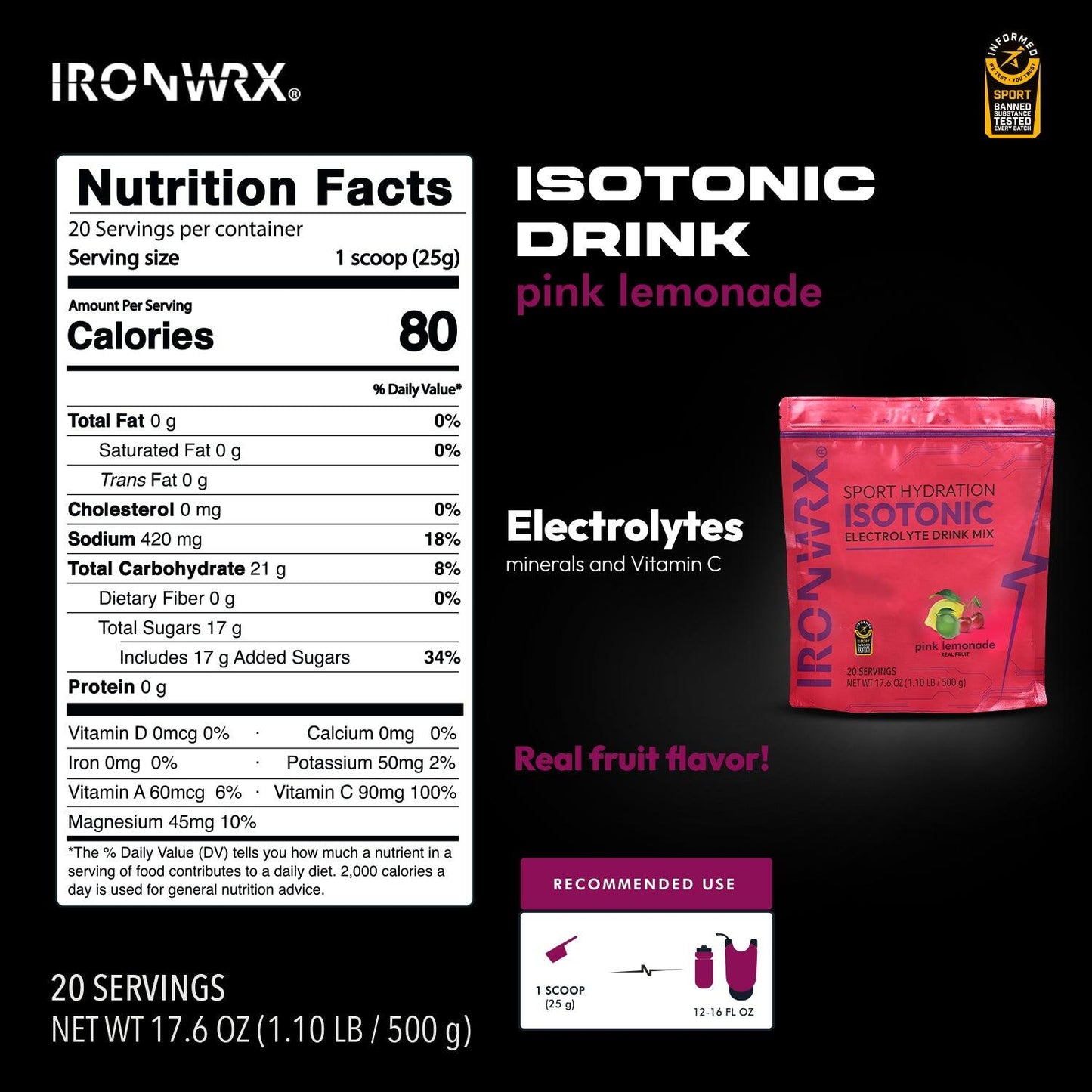
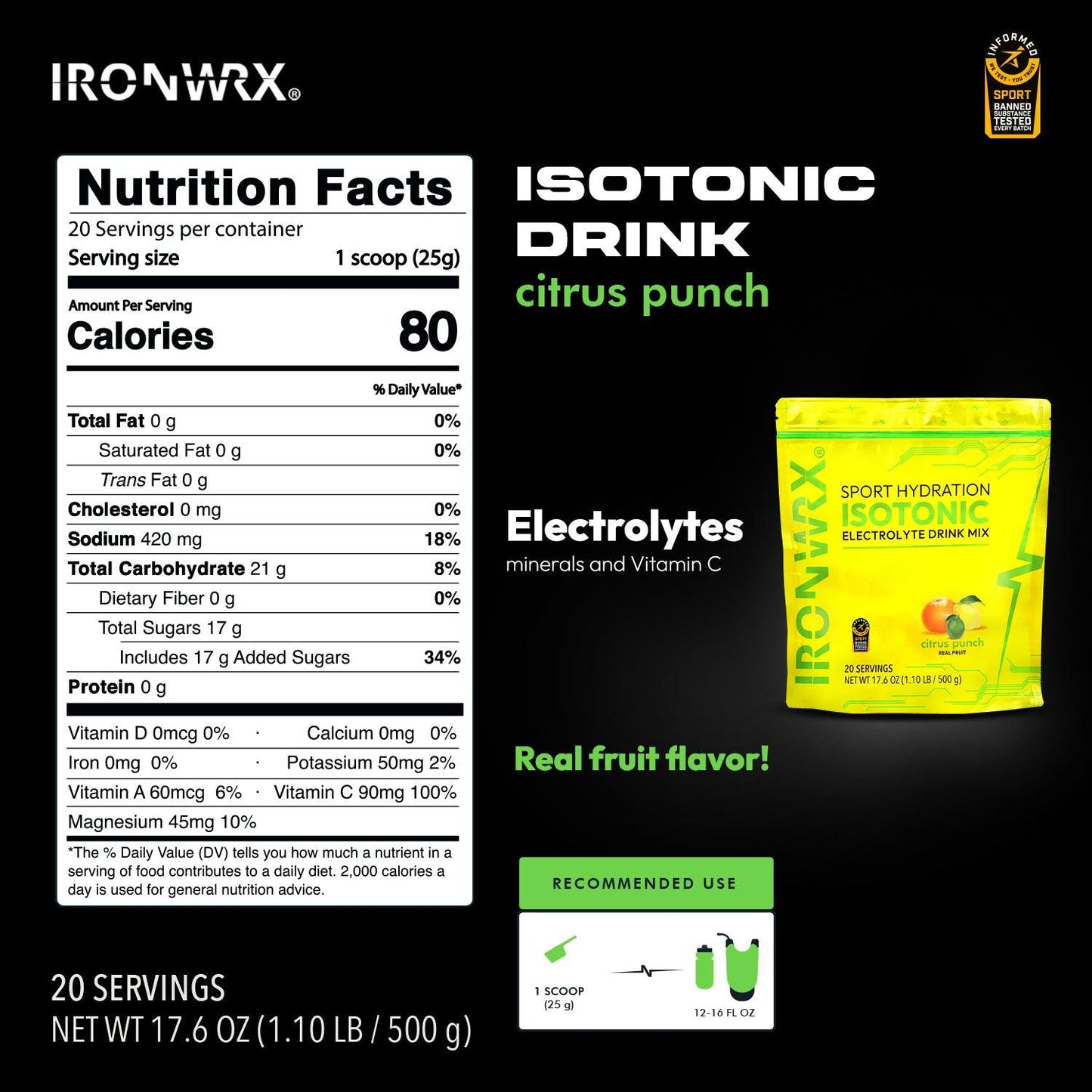
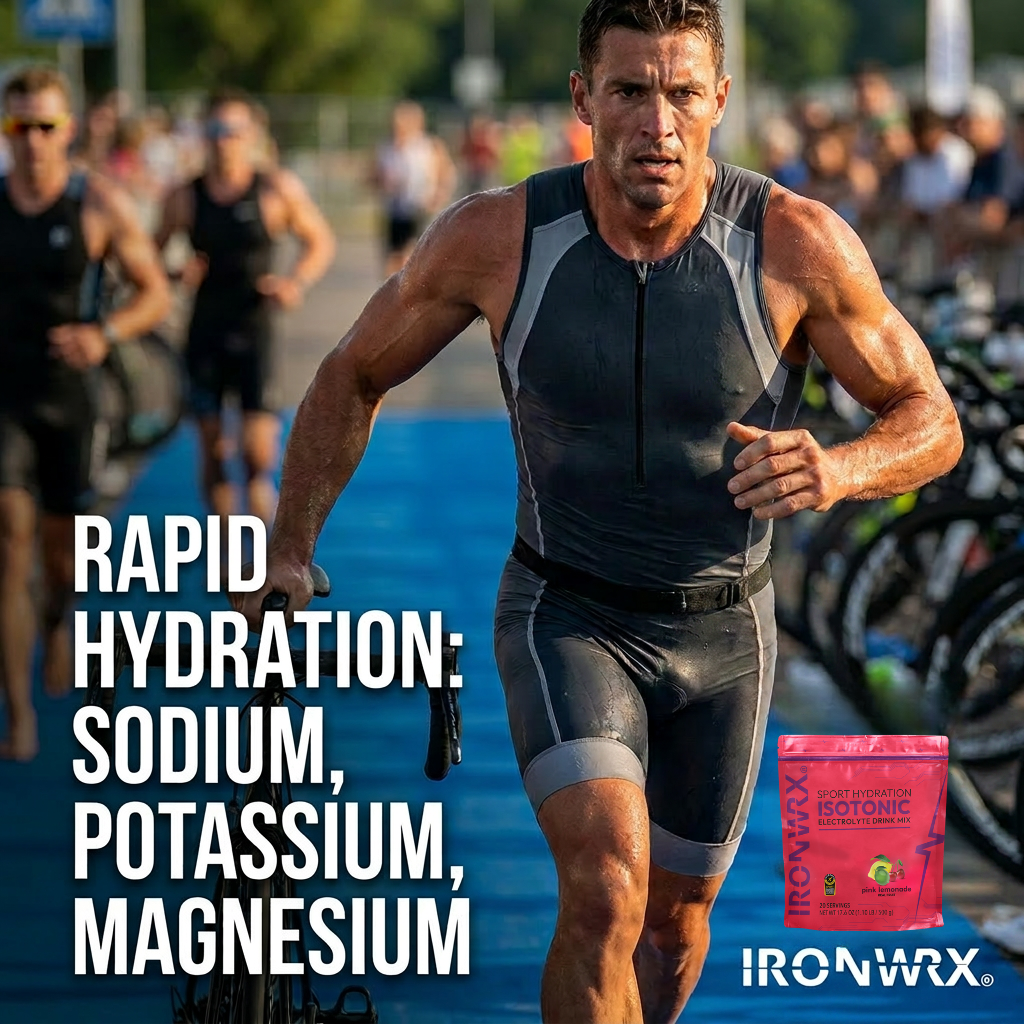
For hydration, general guidance runs 400–800ml per hour depending on heat, humidity, and your individual sweat rate — pair that with sodium intake, since sweat losses climb fast on a hot bike leg. IRONWRX Isotonic Electrolyte Drink Mix (420mg sodium per serving) works well for sprint and Olympic-distance bike legs where the effort is shorter and less carb-intensive; Hypertonic Performance Drink (300mg sodium, plus L-glutamine and L-alanine) is built for the longer, harder bike legs of 70.3 and full-distance racing where both fuel and recovery support matter over several hours.
T2: Your Last Easy Opportunity
Once you're off the bike, your window for easy fueling is closing — running is far less forgiving on digestion than cycling, thanks to reduced blood flow to the gut and the mechanical bouncing of every stride. T2 is a good spot for one last gel if you're heading into a longer run leg, since it gives you a head start before intake gets harder to manage on foot.
The Run: Intake Gets Harder, So Simplify
Expect your carbohydrate tolerance to drop once you're running — this is normal, not a sign you're doing something wrong. Most athletes shift toward smaller, more frequent, easily digestible intake here: gels, and whatever's offered at aid stations, rather than trying to match bike-leg intake rates.
This is where a portable, no-water-needed option earns its place. IRONWRX Isotonic Energy Gels are formulated for exactly this — 25g of carbs and electrolytes per gel, consumed without needing to time it around a water stop, and caffeine-free so you control if and when you add stimulants rather than getting them by default. GI distress is genuinely common on the run leg of longer triathlons — some research puts the rate as high as half of long-course athletes — so simple, familiar fueling matters more here than trying anything new.
How This Changes by Distance
| Distance | Approx. duration | Bike leg carb target | Fueling priority |
|---|---|---|---|
| Sprint | 1–1.5 hrs | Minimal to none | Pre-race meal does most of the work |
| Olympic | 2–3 hrs | 30–60g/hr | Bike-focused, light run intake |
| 70.3 (Half-Iron) | 4–7 hrs | 60–90g/hr | Structured bike fueling, gels on the run |
| Full Ironman | 10–17 hrs | 60–90g/hr+ (trained athletes higher) | Full fueling plan required, gut-trained intake, sodium and hydration are as critical as carbs |
The shorter the race, the more your fueling plan lives in the "what did I eat before the start" category. The longer it gets, the more it becomes an active, leg-by-leg execution plan.
The One Rule That Matters More Than Any Number
Whatever plan you land on, rehearse it in training before race day. Race-day GI issues are almost always the result of trying a new product, a new quantity, or a new timing for the first time under race stress. Practice your bike-leg carb intake on your long rides, practice taking a gel on tired legs during a brick run, and treat your nutrition plan with the same seriousness as your pacing strategy — because on a long course, it's just as capable of ending your race.
Informed Sport Certified — Every Leg, Every Batch
Whatever's in your bento box or race belt, every IRONWRX product — gels, drink mixes, and everything else in the lineup — is third-party tested by Informed Sport, batch by batch, for substances banned in competition. One less variable to manage on race morning.
FAQ
Do I need to eat anything during the swim leg? No — there's no practical way to fuel while swimming, and for most race distances it isn't necessary. For longer events (70.3 and up), some athletes take a gel in the final minutes before the swim start so it's digesting by the time they hit T1.
Why does my stomach handle fueling fine on the bike but not the run? Running reduces blood flow to your gut (it's being redirected to your legs) and adds mechanical impact with every stride — both slow digestion and raise the odds of GI distress. This is normal physiology, not a sign of a weak stomach, and it's why most athletes front-load carbohydrate intake on the bike and simplify on the run.
How much should I actually drink during the bike leg? General guidance is 400–800ml per hour, but your individual number depends on heat, humidity, and your sweat rate. The more useful practice is testing your intake in training conditions similar to race day, rather than relying on a single fixed number.
Forge On.