Share
Trail Running Nutrition: Fueling Strategy for Climbs, Heat, and Multi-Hour Efforts
Road marathon fueling advice doesn't hold up on a trail. A flat, predictable pace with aid stations every few miles is a different physiological problem than an unmarked climb at hour four, a heat-soaked exposed ridge, or a technical descent that spikes your heart rate without moving you any faster. Trail running asks more of your fueling strategy — and most generic "eat 60g of carbs an hour" advice doesn't account for why.
Here's how to actually build a trail-specific fueling plan.
Why Trail Running Breaks the Standard Fueling Rules
Three variables separate trail running from road running, and each one changes how you should fuel:
Variable effort, not steady pace. On the road, your heart rate and carb burn rate stay relatively constant. On a trail, climbs push you into a higher effort zone where your gut has less blood flow available for digestion, while descents and flats let digestion catch up. Fueling on a trail isn't about a flat hourly number — it's about fueling around the terrain.
Longer time on feet. Trail races and long training runs routinely run 3, 6, or 12+ hours. That's enough time for glycogen depletion, sodium loss, and gut fatigue to compound in ways a 3-hour road marathon never will.
Heat and altitude exposure. Exposed ridgelines, direct sun, and elevation gain increase both sweat rate and core temperature stress — which means your electrolyte needs on trail can run well above what a road runner needs for the same duration.
Fueling the Climbs: Time Intake Around Effort, Not the Clock
The instinct on a hard climb is to stop fueling until you're over the top — your stomach feels like the last thing you want to deal with when you're gasping. But that's exactly when you're burning through glycogen fastest.
The fix: front-load carbohydrate intake before you hit a known climb, not during it. If you know a 20-minute climb is coming, take your gel or sip your drink mix in the 5–10 minutes before the base, while your gut still has blood flow to work with. Then let the climb itself be a fueling "rest" — your body absorbs at the top and on the following descent, when effort drops and blood flow returns to digestion.
This is where a fast-digesting, isotonic carbohydrate source matters. IRONWRX Isotonic Energy Gels are formulated to be absorbed without needing water, so you're not choosing between fueling and finding your bottle mid-climb.
Fueling the Heat: Sodium Becomes the Priority
Above a certain temperature and sweat rate, carbohydrate isn't your limiting factor anymore — sodium and fluid balance are. Under-fueling electrolytes in the heat is what turns into cramping, nausea, and the "why do I feel awful and I'm not even out of carbs" bonk that trail runners know well.
For runs and races under two hours, even in heat, an isotonic electrolyte mix that matches your body's fluid concentration is usually enough — it's built for fast absorption without overloading your gut. IRONWRX Isotonic Drink Mix is formulated for exactly this window, using real fruit flavoring, not artificial.
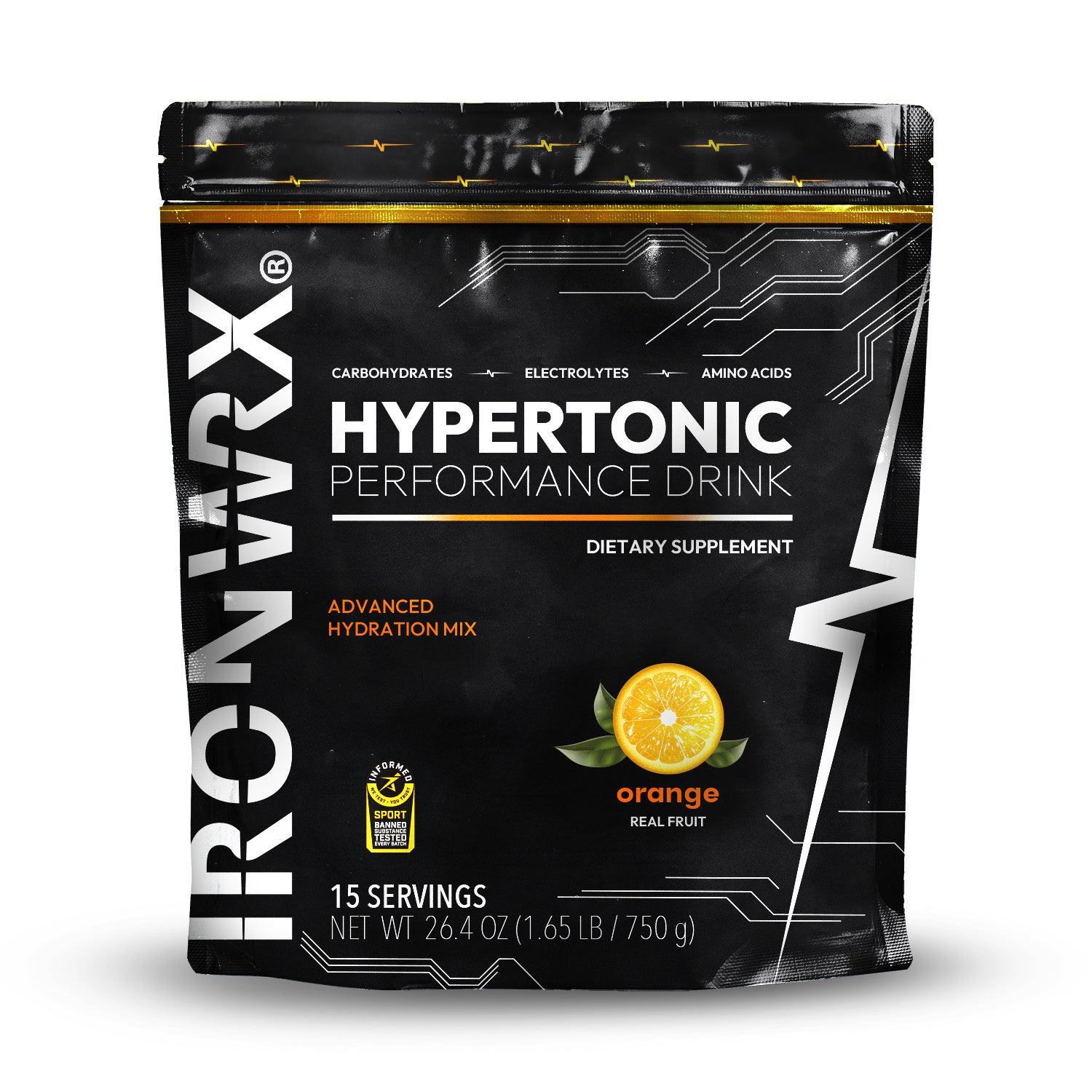
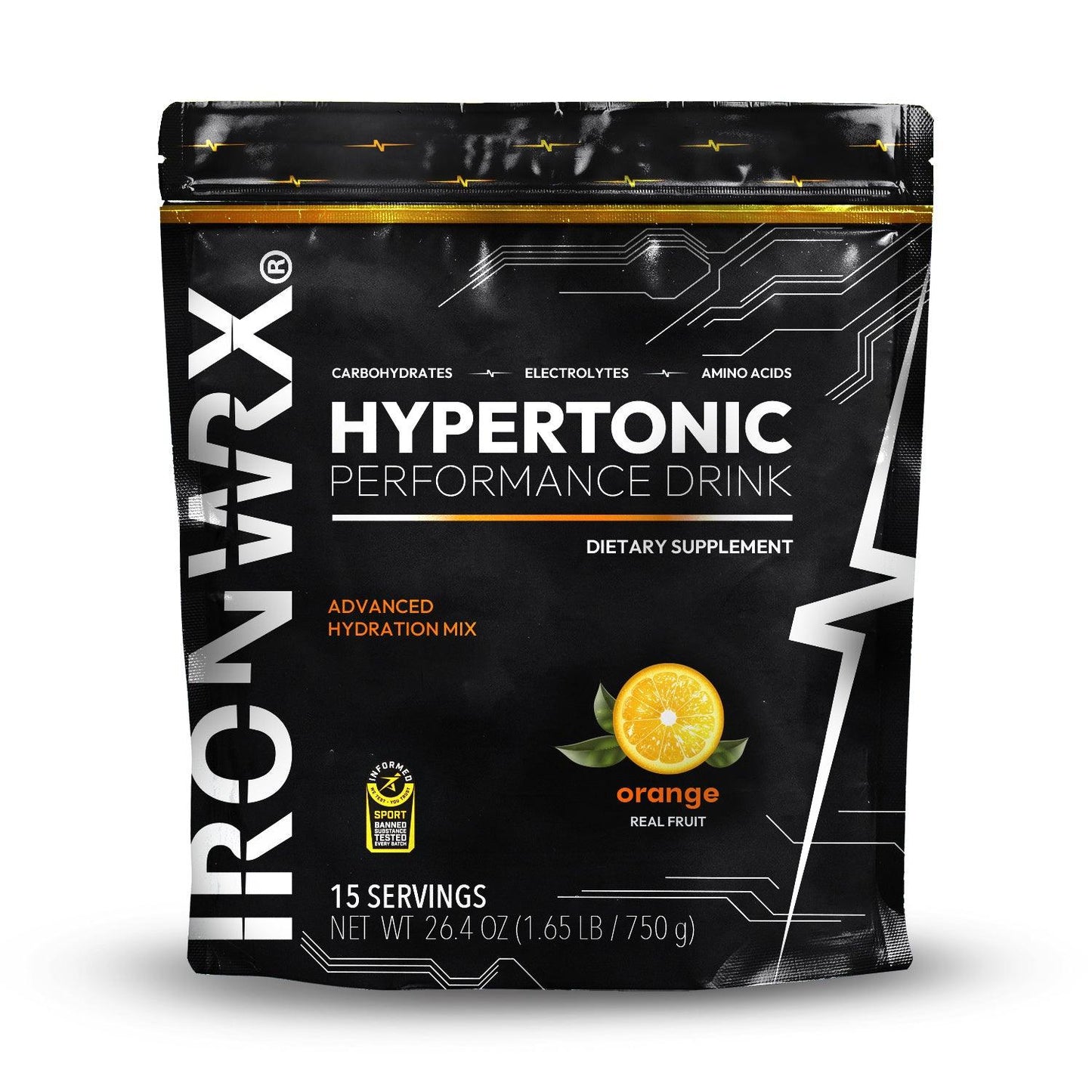
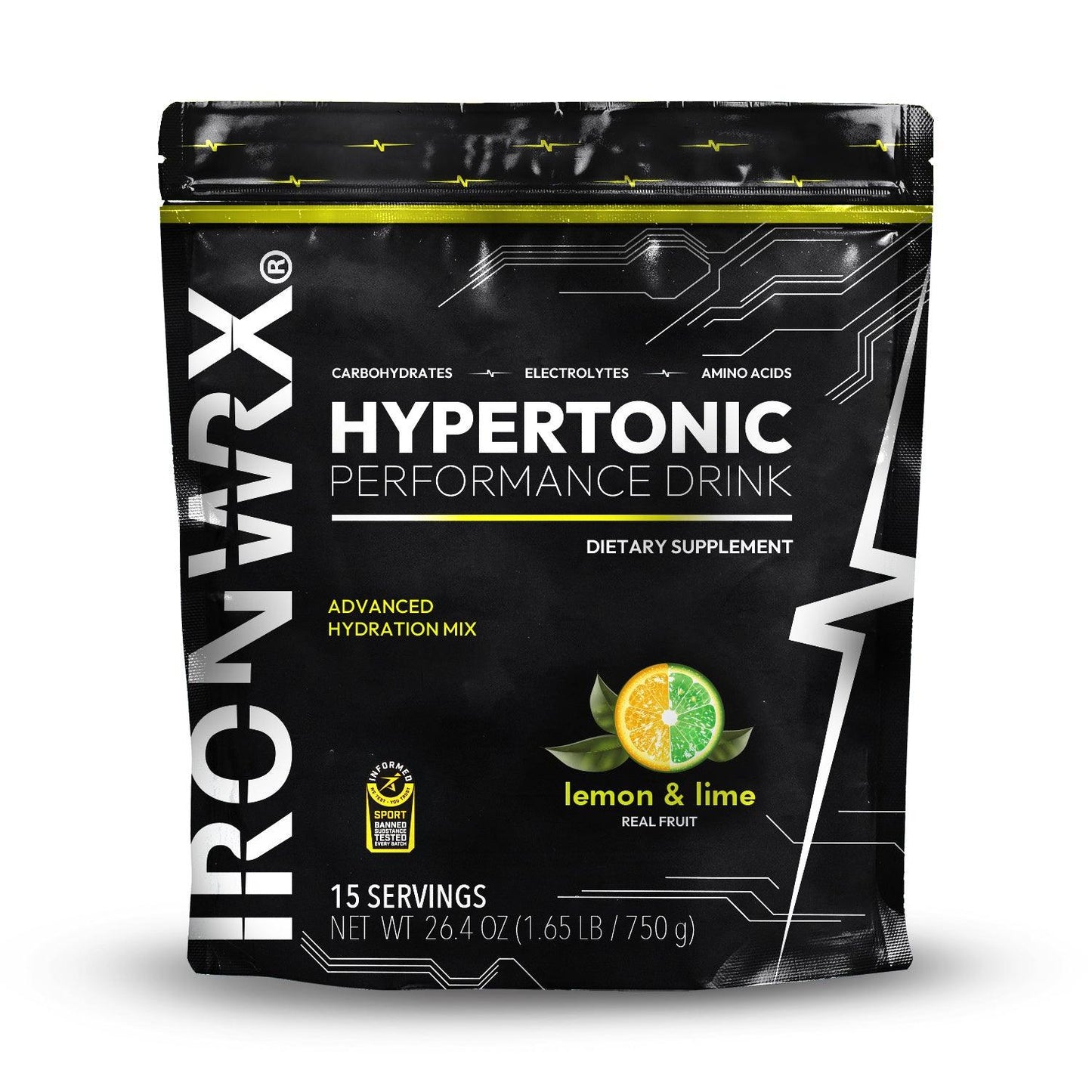
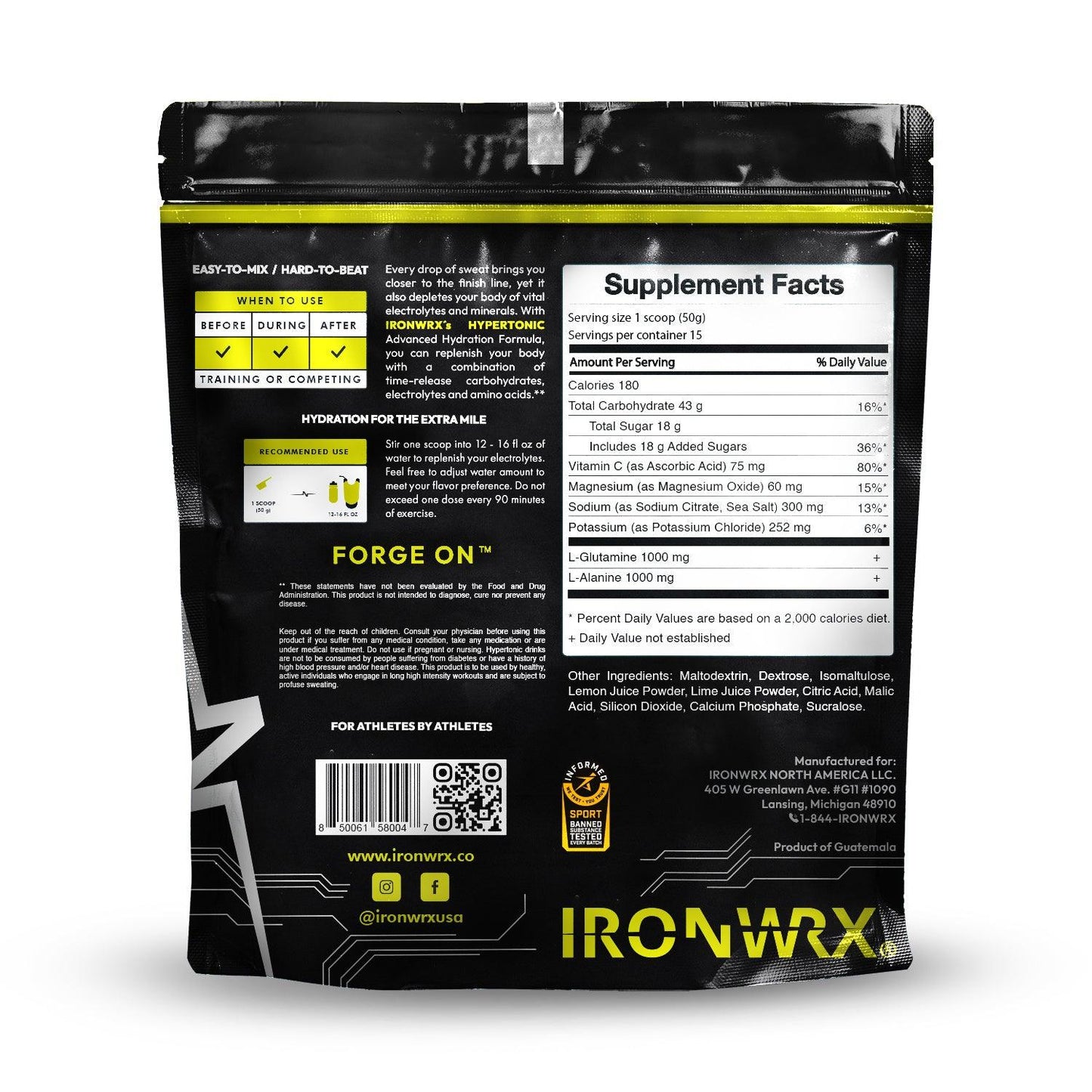
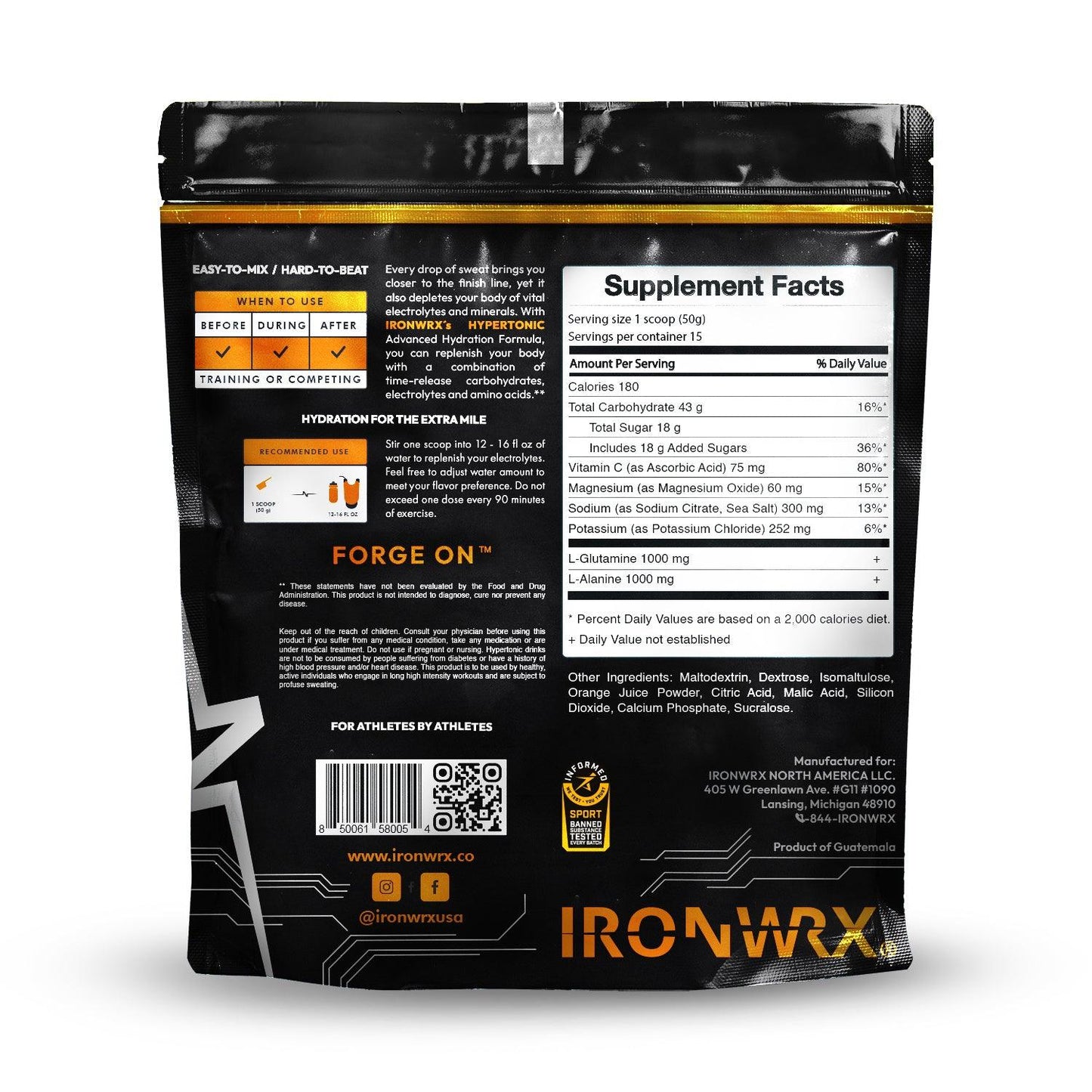
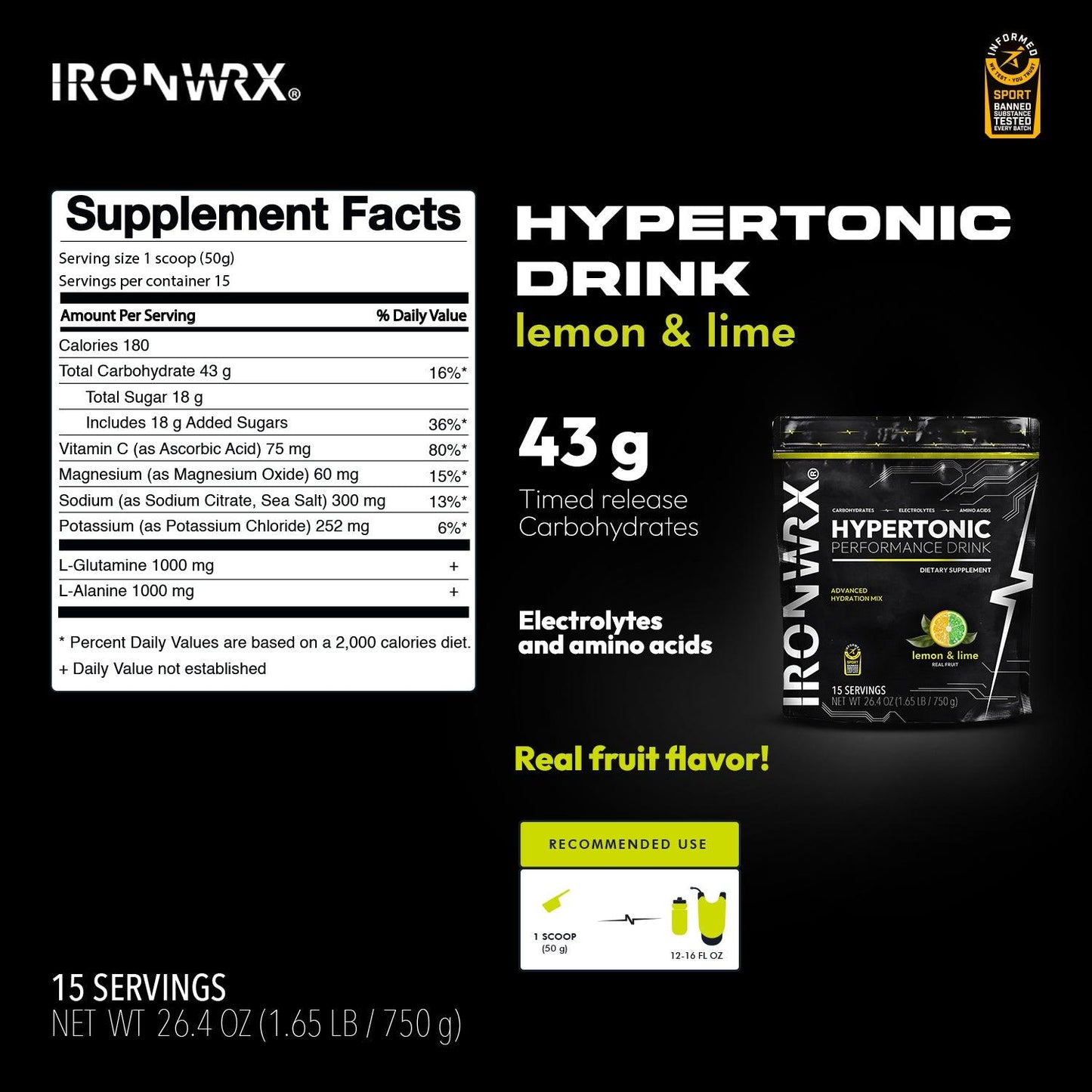
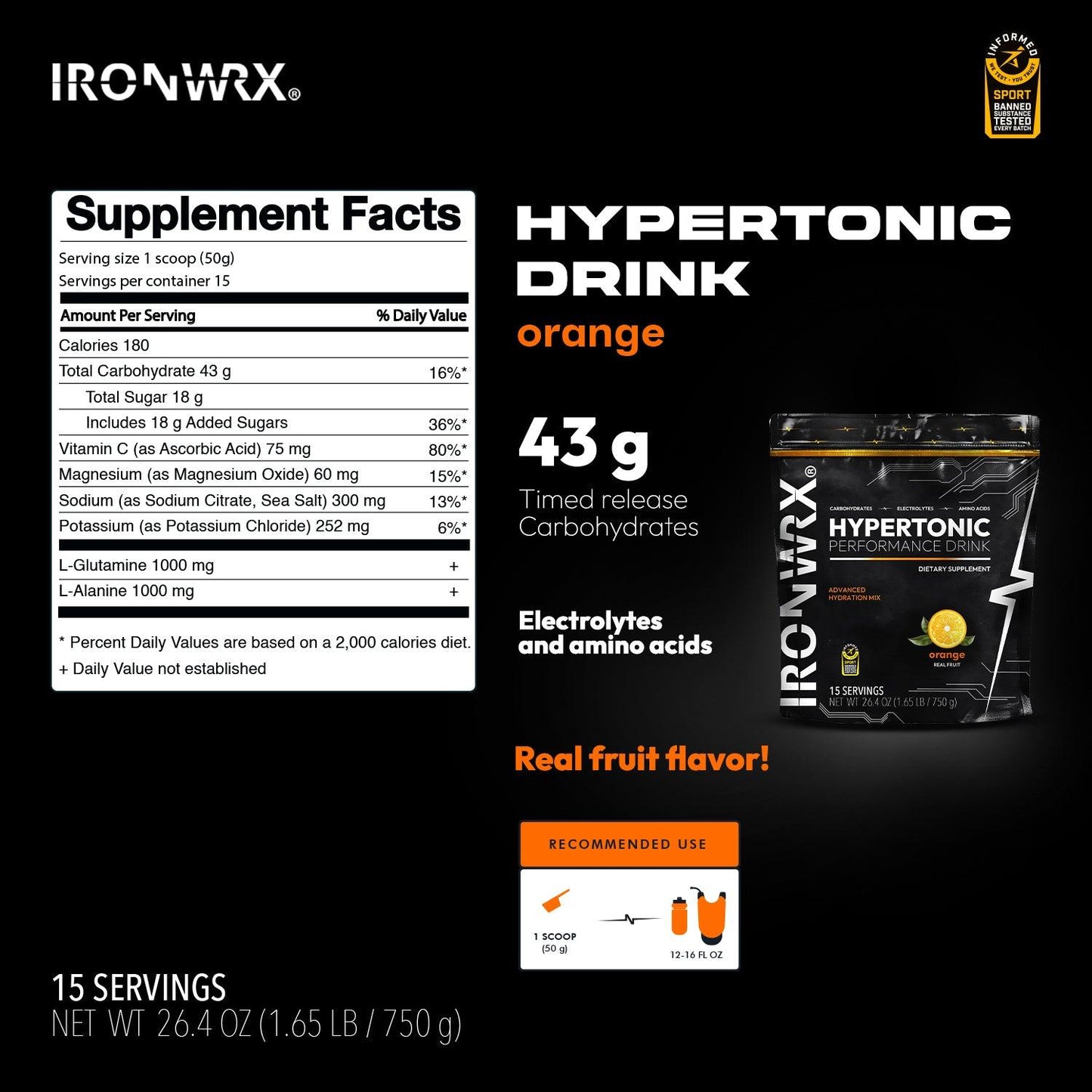
For long, hot efforts — think 3+ hour climbs, ridge exposure, or back-to-back training blocks in high heat — sodium losses add up faster than a standard isotonic mix is designed to replace. That's where a hypertonic formula, with a denser carbohydrate and electrolyte load, becomes the better tool. IRONWRX Hypertonic Performance Drink is built for these intense, long-duration sessions, also using real fruit flavoring, and is designed to be spaced roughly every 90 minutes rather than sipped continuously — check the label for your specific dosing guidance.
Fueling the Multi-Hour Effort: Layer Your Sources
Nobody survives a 5-hour trail effort on gels alone, and nobody survives it on drink mix alone either. The athletes who fuel well on long trail days layer their sources so no single one has to do all the work:
- Isotonic Energy Gels for fast, on-the-move carbohydrate hits timed around climbs and effort spikes.
- Isotonic Drink Mix or Hypertonic Performance Drink for the steady background of fluid, carbs, and electrolytes between gel intervals.
- BCAAs during the back half of a long effort, when muscle fatigue and soreness start building faster than a straight carbohydrate strategy alone can manage — the added L-Glutamine and Citrulline Malate support recovery and blood flow without adding stimulants.
None of these need to be complicated. The point is redundancy: if your stomach rejects one format late in a run (common after hours of vibration and heat stress), you have another source already in rotation instead of scrambling.
A Simple Framework to Take With You
- Before a known climb: fuel in the 5–10 minutes leading in, not during.
- In the heat: default to isotonic for anything under 2 hours; switch to hypertonic for longer, hotter efforts.
- Past hour 3: layer gels, drink mix, and BCAAs instead of relying on one format.
- Always: practice this exact combination in training before race day. Gut tolerance is trained, not assumed.
Trail running rewards runners who treat fueling as part of the terrain strategy, not an afterthought. Dial it in on your long runs, and climbs and heat stop being the reason you fade — they become just another mile.
All IRONWRX products are Informed Sport certified, third-party tested for banned substances every batch — because what you put in your body on a training day matters just as much as what you put in it on race day.
Forge On.