Share
Whether you're preparing for your first half marathon, racing an Ironman, riding a century, or competing in an ultra-endurance event, one truth remains constant:
Your nutrition strategy can determine your performance just as much as your training.
Many endurance athletes spend months optimizing workouts while overlooking one of the most powerful performance tools available: proper fueling and hydration.
Even the best-trained athlete will eventually experience fatigue if muscle glycogen becomes depleted, blood glucose falls, or dehydration reaches critical levels. Research consistently demonstrates that strategic carbohydrate intake and individualized hydration improve endurance performance, reduce fatigue, and enhance recovery¹–⁴.
Understanding how to fuel before, during, and after exercise allows athletes to delay fatigue, maintain power output, improve recovery, and reduce the risk of gastrointestinal distress.
Why Energy and Hydration Matter
During endurance exercise your body continuously relies on two critical resources:
- Carbohydrates (glycogen and blood glucose)
- Body fluids and electrolytes
Without replacing them, athletes commonly experience:
- Reduced pace or power output
- Earlier fatigue
- Increased perceived exertion
- Reduced cognitive performance
- Slower recovery
- Greater risk of heat illness in warm environments
Even 2% body mass loss from dehydration can impair endurance performance, particularly in hot environments²,⁵.
The objective of an effective fueling strategy is straightforward:
Maintain carbohydrate availability while minimizing dehydration and electrolyte deficits.
Understanding Your Body's Fuel Systems
Carbohydrates
Carbohydrates are the body's preferred fuel during moderate and high-intensity exercise.
Although the body stores glycogen in muscles and the liver, total stores are limited—typically enough for approximately 90–120 minutes of sustained moderate-to-high intensity exercise. Once glycogen becomes depleted, athletes commonly experience a significant decline in pace and power output, often referred to as **"hitting the wall."**¹,³
Research consistently shows that consuming carbohydrates during prolonged exercise preserves blood glucose, delays fatigue, and improves endurance performance¹,⁴.
Fat
Fat provides an abundant fuel source and becomes increasingly important during lower-intensity exercise.
However, fat oxidation alone cannot support the energy demands of race pace, making carbohydrate availability critical for competitive endurance events³.
Protein
Protein contributes minimally to energy production during exercise.
Instead, its primary role is supporting muscle repair, adaptation, and recovery after training⁶.
Hydration: More Than Just Water
Sweat removes both water and electrolytes, particularly sodium.
These electrolytes are essential for:
- Maintaining plasma volume
- Supporting nerve transmission
- Muscle contraction
- Temperature regulation
Sweat sodium losses vary enormously between athletes—from less than 500 mg/hour to more than 2,000 mg/hour—highlighting the importance of individualized hydration strategies²,⁷.
Replacing only water during prolonged exercise may not adequately replace sodium losses and, under certain conditions, can contribute to exercise-associated hyponatremia².
Factors That Influence Your Fueling Strategy
No single nutrition strategy works for every athlete.
Several factors influence carbohydrate and hydration requirements.
1. Exercise Duration
Less than 60 minutes
Most athletes do not require carbohydrate supplementation during exercise.
Priority should be given to:
- Beginning exercise well hydrated
- Drinking according to thirst
- Maintaining balanced daily nutrition²
Recommended products:
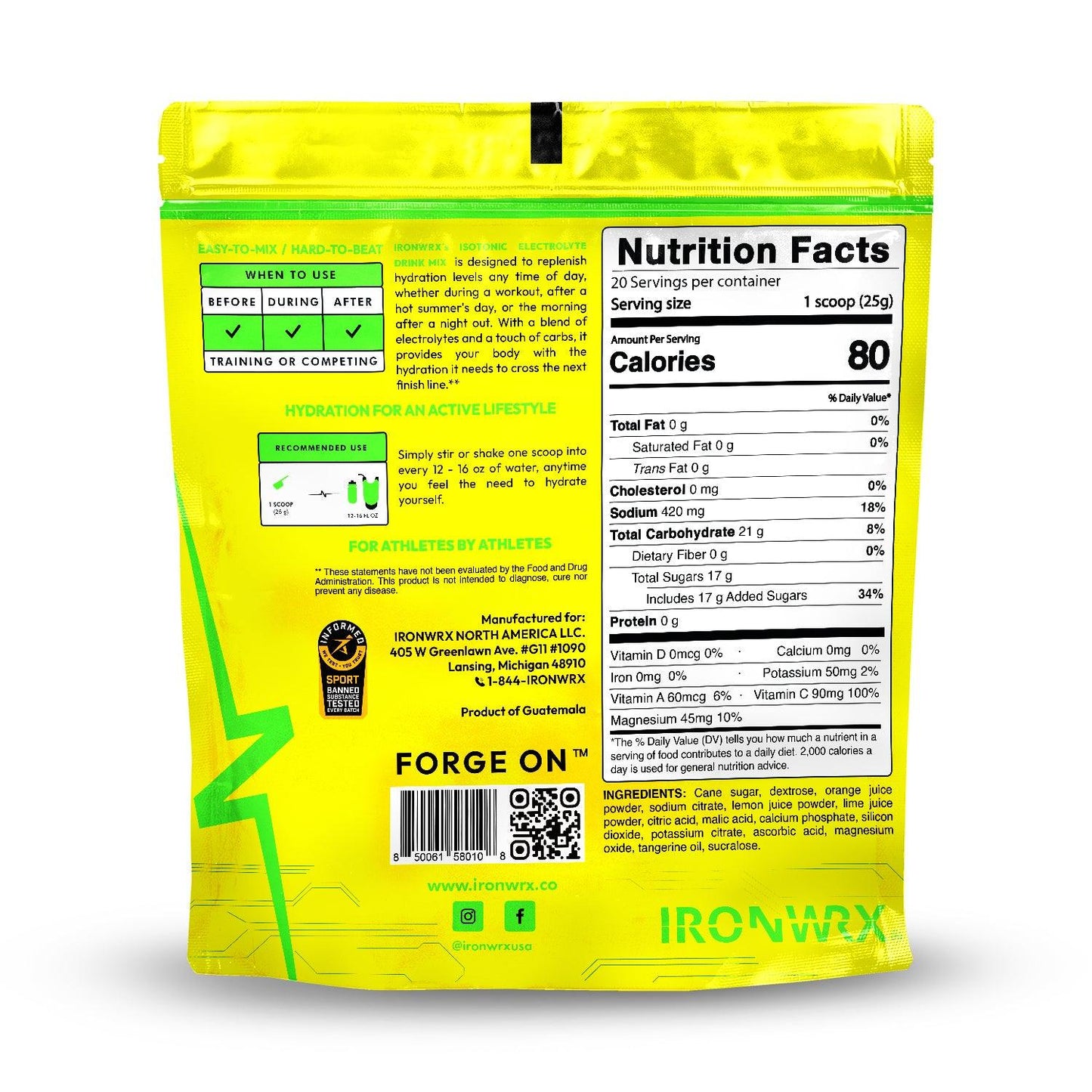
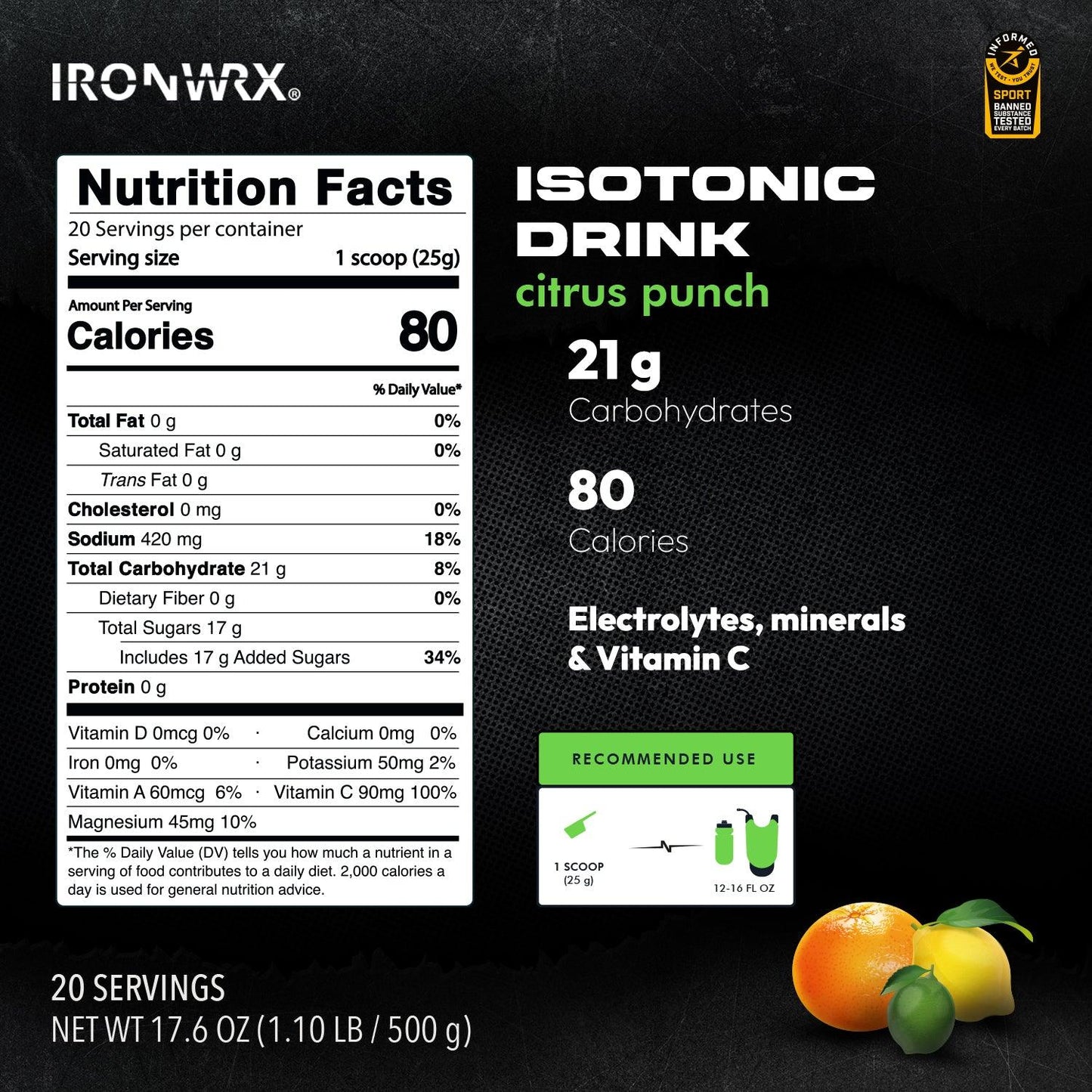
- Electrolyte drink
- Water when sweat losses are minimal
60–90 Minutes
Research suggests carbohydrate intake begins improving performance as exercise approaches 90 minutes.
Target: 20–40 g carbohydrate/hour¹
Suitable options include:
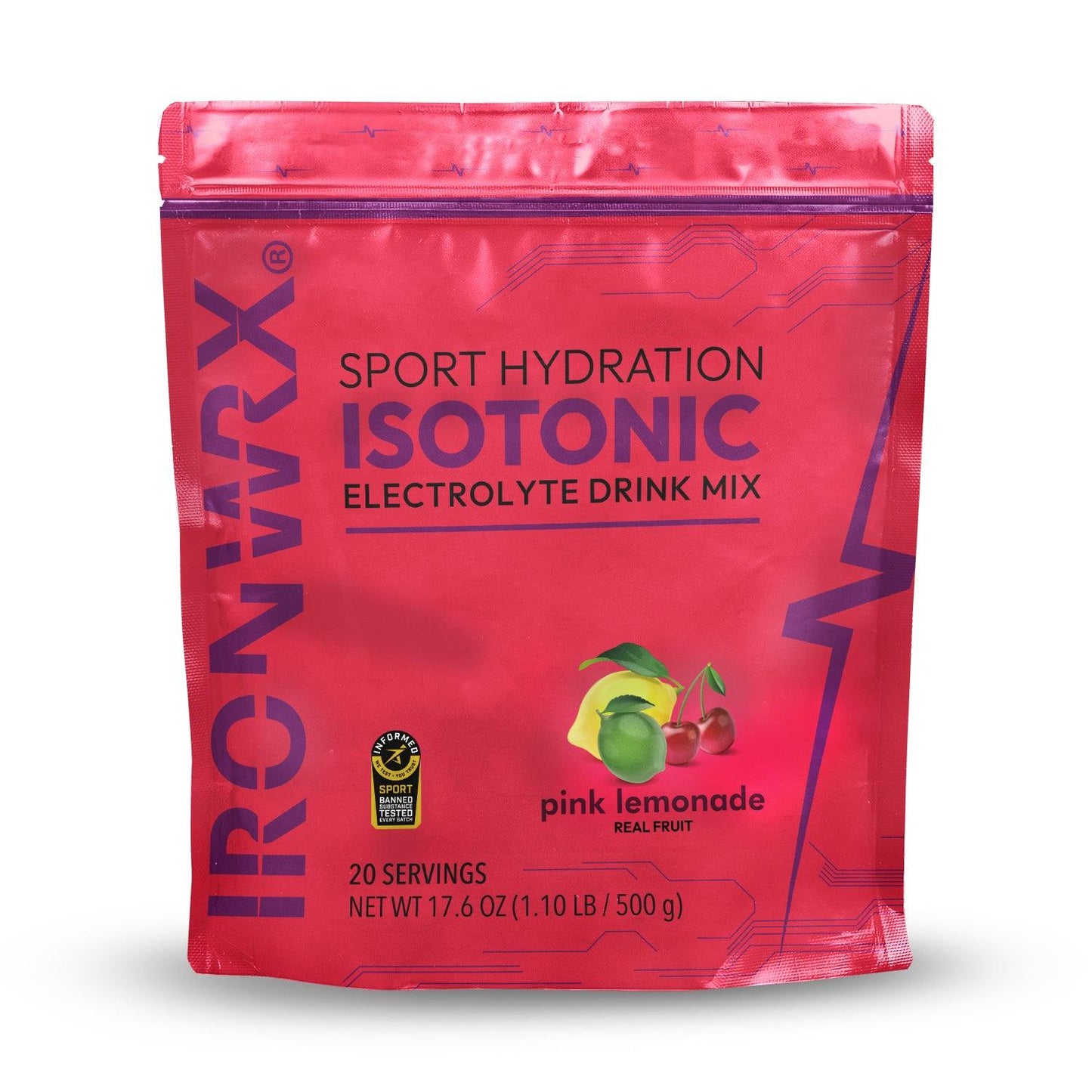
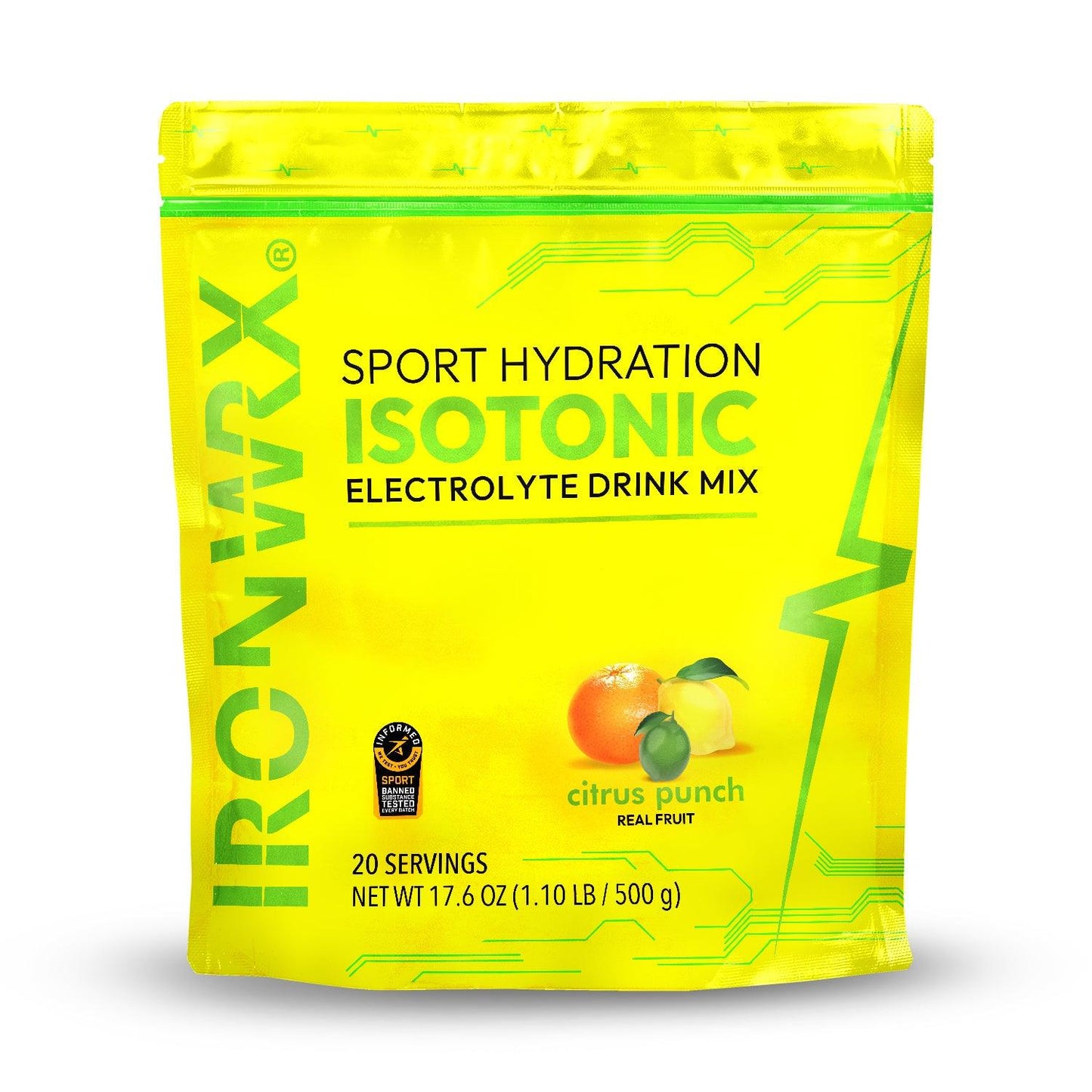
- Isotonic sports drinks
- Energy gels
- Easily digested carbohydrate sources
90 Minutes to 2.5 Hours
Performance benefits become increasingly consistent.
Recommended intake: 30–60 g carbohydrate/hour¹,³
A practical strategy includes:
- Isotonic energy gels
- Electrolyte drink mix
- Combination carbohydrate and fluid intake
More Than 2.5 Hours
For marathon runners, cyclists, triathletes, and ultra-endurance athletes:
Current guidelines recommend:
60–90 g carbohydrate/hour, particularly when using multiple transportable carbohydrates (glucose + fructose), which increase carbohydrate absorption and oxidation while reducing gastrointestinal discomfort¹,⁴,⁸.
Appropriate products include:
- Isotonic energy gels
- High-carbohydrate drink mixes
- Electrolyte beverages
- Combined fueling strategies
2. Training Intensity
As exercise intensity increases, carbohydrate oxidation rises dramatically.
High-intensity workouts—including intervals, tempo sessions, races, and long climbs—benefit from greater carbohydrate availability before and during exercise³.
Conversely, lower-intensity aerobic sessions often require less carbohydrate but still demand appropriate hydration.
3. Environmental Conditions
Heat substantially increases sweat rate and fluid requirements.
Humidity further impairs evaporative cooling, increasing cardiovascular strain and dehydration risk²,⁵.
Athletes training in hot climates typically require:
- Increased fluid intake
- Greater sodium replacement
- More frequent hydration opportunities
Cold environments reduce thirst, making scheduled hydration equally important.
4. Time of Day
Morning training often begins with reduced liver glycogen following the overnight fast.
Consuming a small carbohydrate-rich snack, energy gel, or isotonic carbohydrate drink before higher-intensity morning sessions can improve training quality¹.
For afternoon and evening sessions, carbohydrate availability depends largely on meals consumed earlier in the day.
Matching Nutrition to Your Goal
Race Performance
Competition nutrition should prioritize:
- Adequate carbohydrate intake
- Electrolyte replacement
- Consistent hydration
Appropriate products include:
- Isotonic energy gels
- Electrolyte drink mixes
- High-carbohydrate hydration mixes
Long Training Sessions
Training provides the ideal opportunity to practice race-day nutrition.
Current evidence suggests that "training the gut"—regularly consuming race-level carbohydrate intakes during training—improves gastrointestinal tolerance and carbohydrate absorption during competition⁸.
Fat Adaptation Sessions
Occasional low-carbohydrate training sessions may increase some markers of fat metabolism.
However, evidence consistently shows that high-intensity performance and competition generally benefit from high carbohydrate availability³.
Choosing the Right Type of Sports Nutrition
Electrolyte Drinks
Best suited for:
- Daily hydration
- Moderate endurance sessions
- Heavy sweaters
- Hot weather
Benefits include:
- Fluid replacement
- Sodium replenishment
- Maintenance of plasma volume
Isotonic Energy Gels
Ideal for:
- Running
- Cycling
- Triathlon
- Marathon
Advantages include:
- Rapid carbohydrate delivery
- Easy digestion
- Portable fueling
Most athletes benefit from consuming one gel approximately every 30–45 minutes, depending on carbohydrate content and hourly targets.
High-Carbohydrate Drink Mixes
Ideal for:
- Long rides
- Iron-distance racing
- Ultra-endurance events
- Marathon competition
These products combine carbohydrates and electrolytes to simplify fueling during prolonged exercise.
Recovery Matters
Recovery nutrition begins immediately after exercise.
Current recommendations include:
- 1.0–1.2 g carbohydrate/kg/hour for rapid glycogen restoration after demanding exercise⁹
- 20–40 g high-quality protein to maximize muscle protein synthesis⁶
- Replacement of approximately 125–150% of fluid losses over the following hours²
Rapidly absorbed whey protein is particularly effective due to its high leucine content and rapid digestion⁶.
Practical Fueling Recommendations
| Session Duration | Nutrition Strategy |
|---|---|
| <60 min | Water or electrolyte drink |
| 60–90 min | Electrolyte drink + optional energy gel |
| 90–150 min | 30–60 g carbohydrate/hour using gels and isotonic drinks |
| >2.5 hours | 60–90 g carbohydrate/hour using high-carb drink mix plus gels |
| Hot weather | Increase fluid and sodium intake according to sweat rate |
| Recovery | Carbohydrates + whey protein + fluids + electrolytes |
Common Fueling Mistakes
Common errors include:
- Waiting until thirsty to drink
- Waiting until hungry to fuel
- Consuming only water during long events
- Trying new nutrition products on race day
- Underestimating carbohydrate requirements
- Neglecting sodium replacement in hot conditions
Final Thoughts
Successful endurance performance depends on more than fitness alone.
A well-designed fueling strategy should match the demands of your training session, competition duration, environmental conditions, sweat rate, and performance goals.
For shorter sessions, hydration and electrolyte replacement may be sufficient. As duration and intensity increase, rapidly absorbed carbohydrates become increasingly important for maintaining performance. Longer events benefit from combining isotonic electrolyte drinks, energy gels, and high-carbohydrate drink mixes to meet carbohydrate and fluid targets while minimizing gastrointestinal discomfort. Following exercise, carbohydrates, fluids, electrolytes, and rapidly absorbed protein support optimal recovery and prepare the body for the next training session.
When practiced consistently during training, an individualized nutrition strategy can become one of the most effective performance-enhancing tools available to endurance athletes.
References
- Thomas DT, Erdman KA, Burke LM. (2016). Position of the Academy of Nutrition and Dietetics, Dietitians of Canada, and the American College of Sports Medicine: Nutrition and Athletic Performance. Journal of the Academy of Nutrition and Dietetics, 116(3), 501–528.
- Sawka MN, Burke LM, Eichner ER, et al. (2007). American College of Sports Medicine Position Stand: Exercise and Fluid Replacement. Medicine & Science in Sports & Exercise, 39(2), 377–390.
- Burke LM, Hawley JA, Wong SHS, Jeukendrup AE. (2011). Carbohydrates for training and competition. Journal of Sports Sciences, 29(S1), S17–S27.
- Jeukendrup AE. (2014). A Step Towards Personalized Sports Nutrition: Carbohydrate Intake During Exercise. Sports Medicine, 44(Suppl 1), 25–33.
- Cheuvront SN, Kenefick RW. (2014). Dehydration: Physiology, Assessment, and Performance Effects. Comprehensive Physiology, 4(1), 257–285.
- Jäger R, Kerksick CM, Campbell BI, et al. (2017). International Society of Sports Nutrition Position Stand: Protein and Exercise. Journal of the International Society of Sports Nutrition, 14:20.
- Baker LB. (2017). Sweat Testing Methodology in the Field. Current Sports Medicine Reports, 16(6), 363–372.
- Jeukendrup AE. (2017). Training the Gut for Athletes. Sports Medicine, 47(Suppl 1), 101–110.
- Burke LM, van Loon LJC, Hawley JA. (2017). Postexercise Muscle Glycogen Resynthesis in Humans. Journal of Applied Physiology, 122(5), 1055–1067.