Share
The Anabolic Window Myth: When You Actually Need Protein After Training
You've heard the rule, probably from the same person who told you not to skip leg day: you have 30 minutes after your last rep to get protein in, or you're leaving gains on the table. Sprint to your locker, chug the shake, beat the clock — otherwise the workout you just finished was partially wasted.
It's one of the most repeated rules in gym culture. It's also mostly myth. Here's what the actual research says, and what matters a lot more than how fast you can twist off a shaker cap.
Where the "Anabolic Window" Idea Came From
The concept isn't made up out of nowhere — it's a real oversimplification of real science. Early studies on muscle protein synthesis (MPS) showed that resistance training sensitizes muscle to amino acids, and that consuming protein around a workout stimulates a measurable anabolic response. Some early research on nutrient timing (much of it originally focused on glycogen resynthesis, not muscle growth) reinforced the idea that sooner was better.
Somewhere between the lab and the gym floor, "sooner is somewhat better" turned into "you have 30 to 60 minutes or you've blown it." That's the part that isn't supported.
What the Research Actually Shows
In 2013, Brad Schoenfeld, Alan Aragon, and James Krieger published a meta-analysis in the Journal of the International Society of Sports Nutrition specifically testing whether protein timing around a workout affects strength and hypertrophy. Their finding: when total daily protein intake was accounted for, the timing of that protein — immediately post-workout versus a few hours later — showed no significant independent effect on muscle growth or strength gains.
A companion review by Aragon and Schoenfeld the same year concluded that the "narrow window of opportunity" doesn't hold up — the real window during which protein intake supports recovery is much wider than 30-60 minutes, often several hours, and depends heavily on when you last ate before training. If you had a protein-containing meal 1-2 hours before your workout, those amino acids are often still being digested and absorbed during and after your session — meaning you're not actually in a "fasted, unprotected" state the moment you rack the weights.
Schoenfeld revisited the question again in 2018 in the Journal of Orthopaedic & Sports Physical Therapy, reinforcing the same conclusion: your muscle stays receptive to protein for hours post-training, not minutes.
What Actually Matters More Than the Clock
The research is consistent on this: your total daily protein intake and how it's distributed across the day matter far more than hitting a narrow post-workout window.
- Total daily protein. The International Society of Sports Nutrition's position stand on protein and exercise points to daily intake as the primary driver of muscle protein synthesis and adaptation over time — not the precise minute you take your first post-workout gram.
- Distribution across meals. A study by Areta and colleagues, published in The Journal of Physiology, found that spreading protein intake into moderate doses roughly every 3-4 hours over a 12-hour recovery period maximized muscle protein synthesis more effectively than either one large dose or very frequent small doses. In practical terms: 3-4 protein-containing meals spaced through your day beats one perfectly-timed shake.
- Consistency over precision. Hitting your daily target reliably, day after day, is what actually shows up in body composition and strength changes over months — not whether your shake landed at minute 22 or minute 52.
When Timing Does Matter a Bit More
This doesn't mean timing is irrelevant — it means the stakes are lower than gym folklore suggests. A few situations where being more deliberate about timing genuinely helps:
- Training fasted. If you train first thing in the morning with no recent meal, there's no protein actively digesting in your system — getting some in reasonably soon afterward makes more sense than if you'd eaten two hours before.
- Long gaps until your next meal. If your next real meal is 5+ hours away, closing that gap with a shake sooner rather than later is a reasonable, practical call — not because of a magic window, but because you're just going longer without protein otherwise.
- Chasing marginal gains as an advanced athlete. If you're already training and eating close to optimal and looking for the last few percent, tighter timing might offer a very small edge — but this is the exception, not the rule for most lifters.
Where a Fast-Absorbing Protein Actually Helps
This is where it's worth being precise instead of making a sales pitch: hydrolyzed whey isolate doesn't work better because of some anabolic-window advantage. Its actual differentiator is absorption speed — it's broken down into smaller peptides that digest and empty from the stomach faster than intact protein sources, which is useful for a specific, practical reason: convenience.
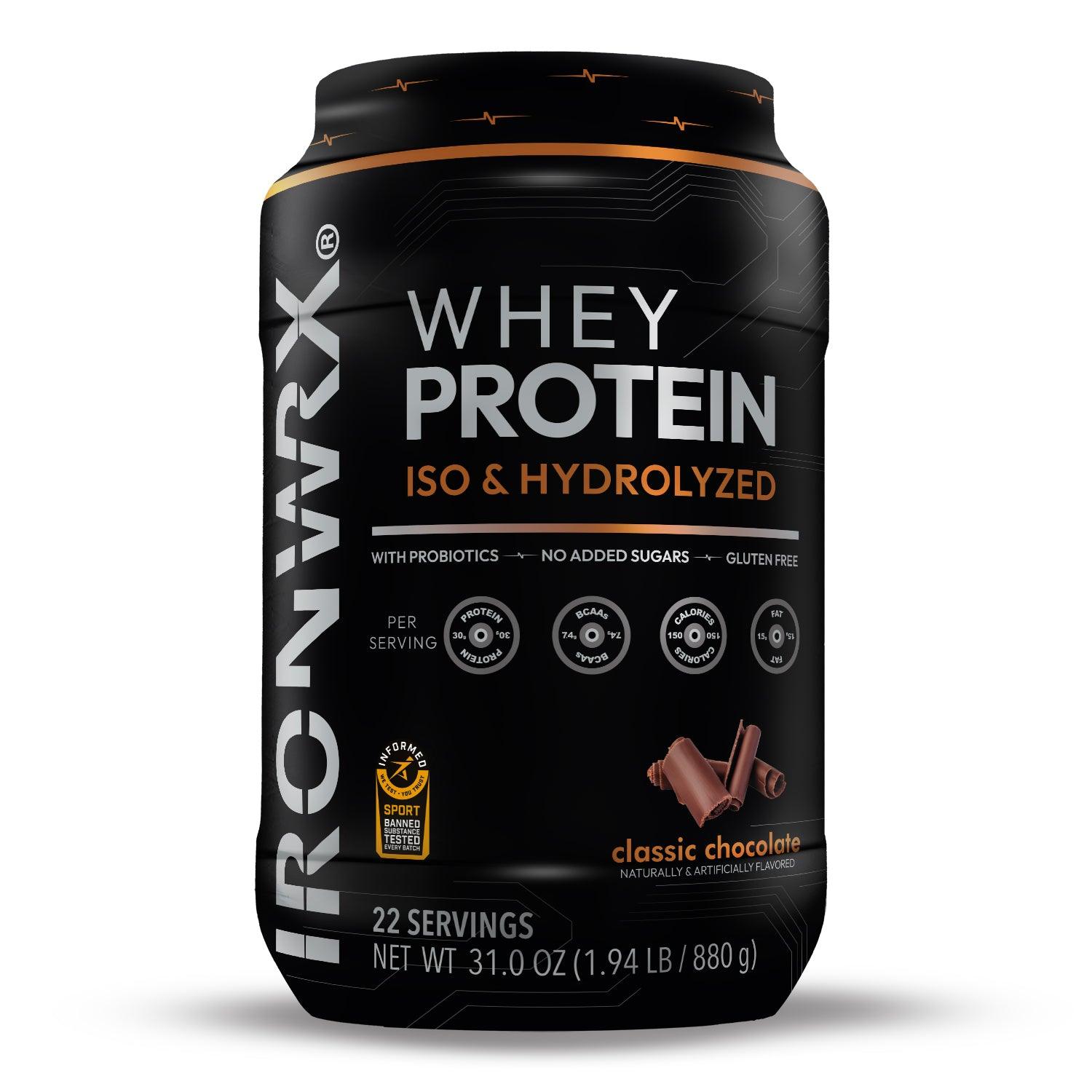
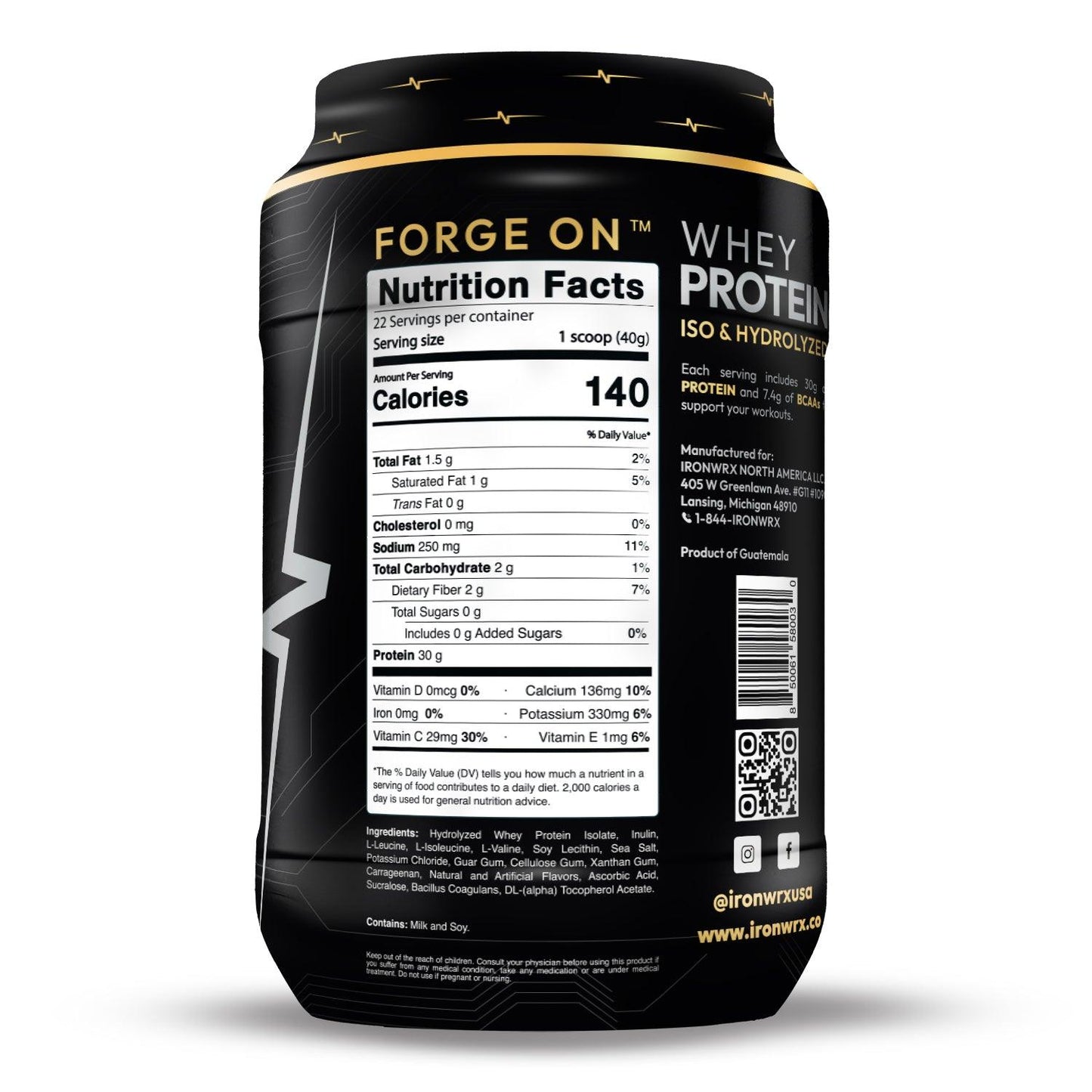
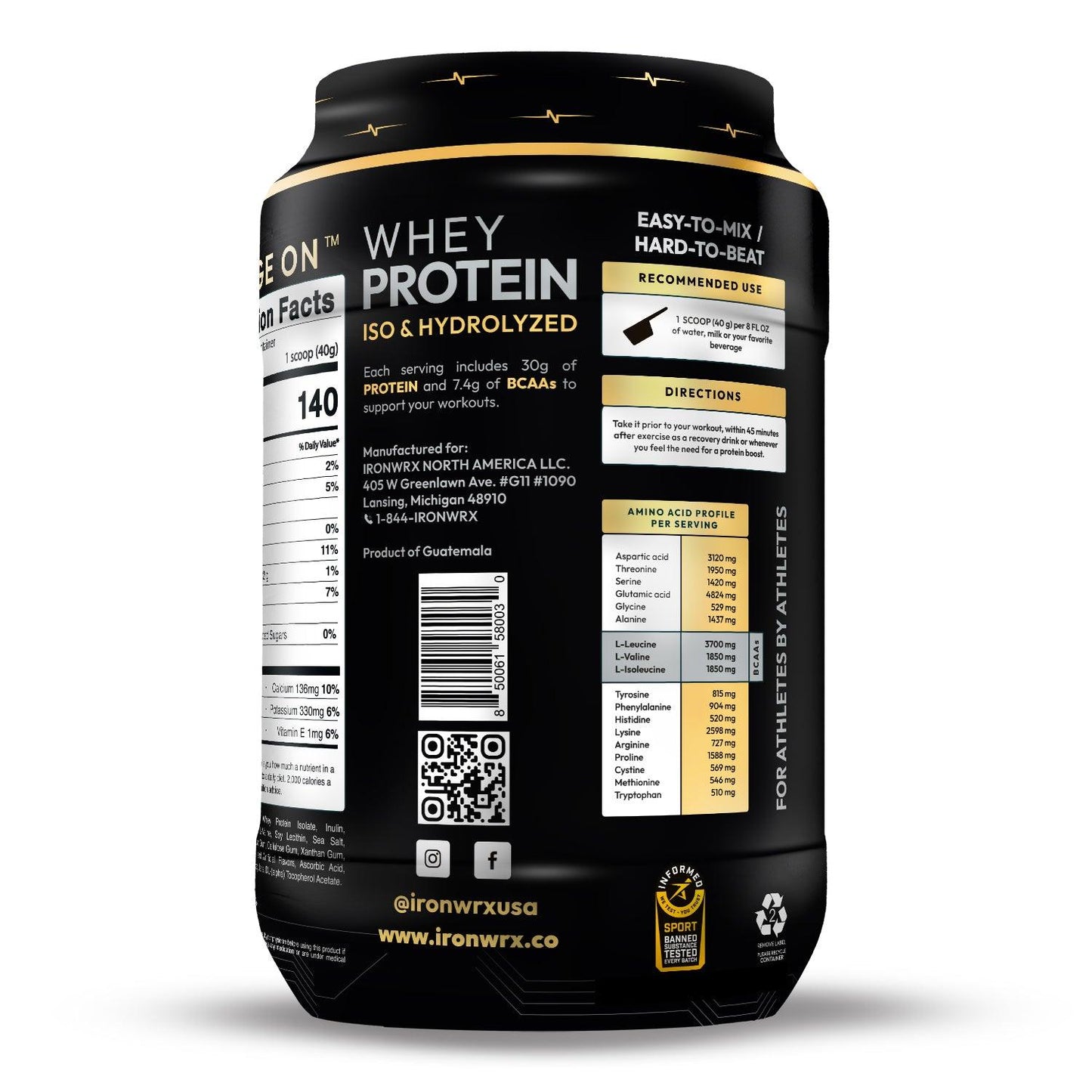
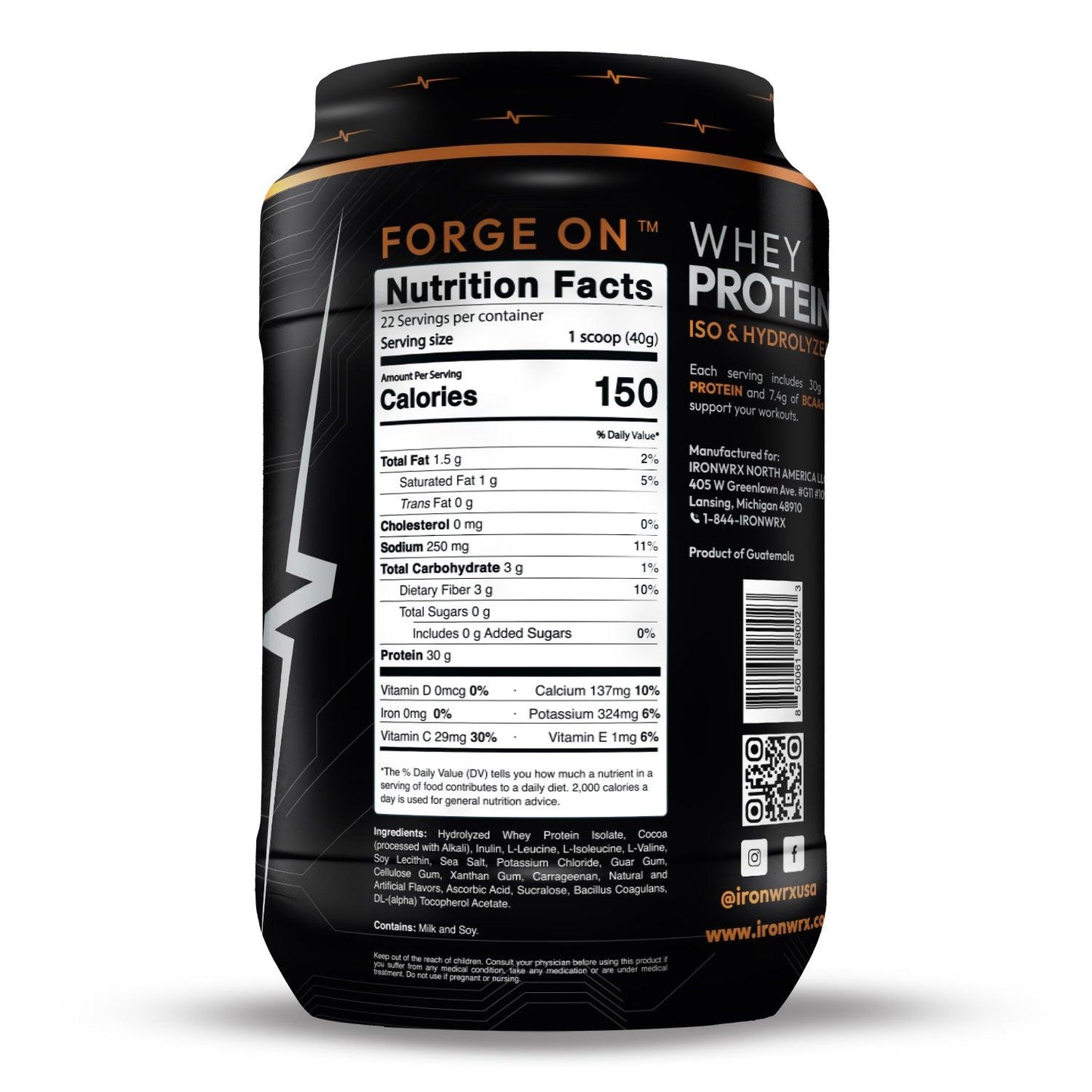
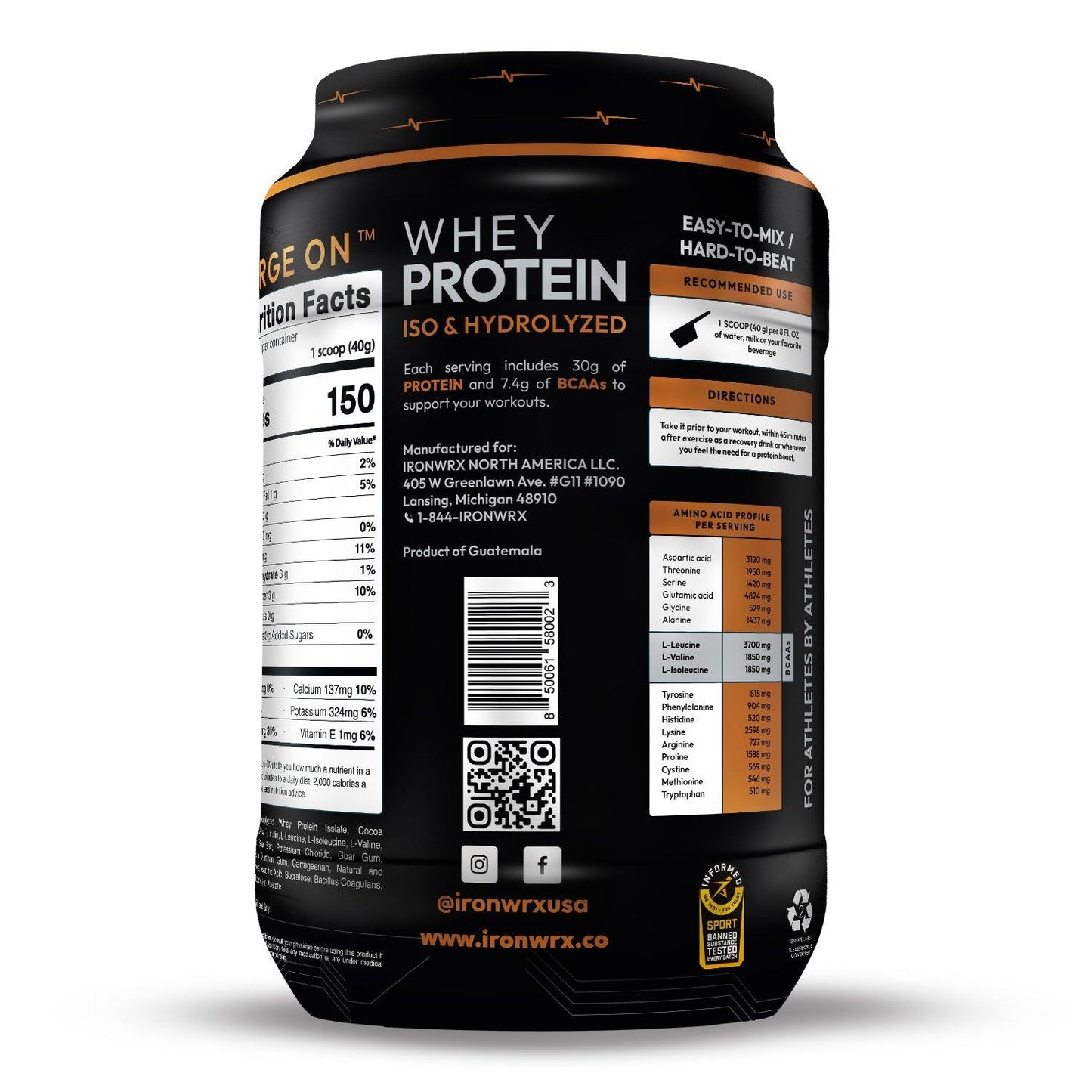
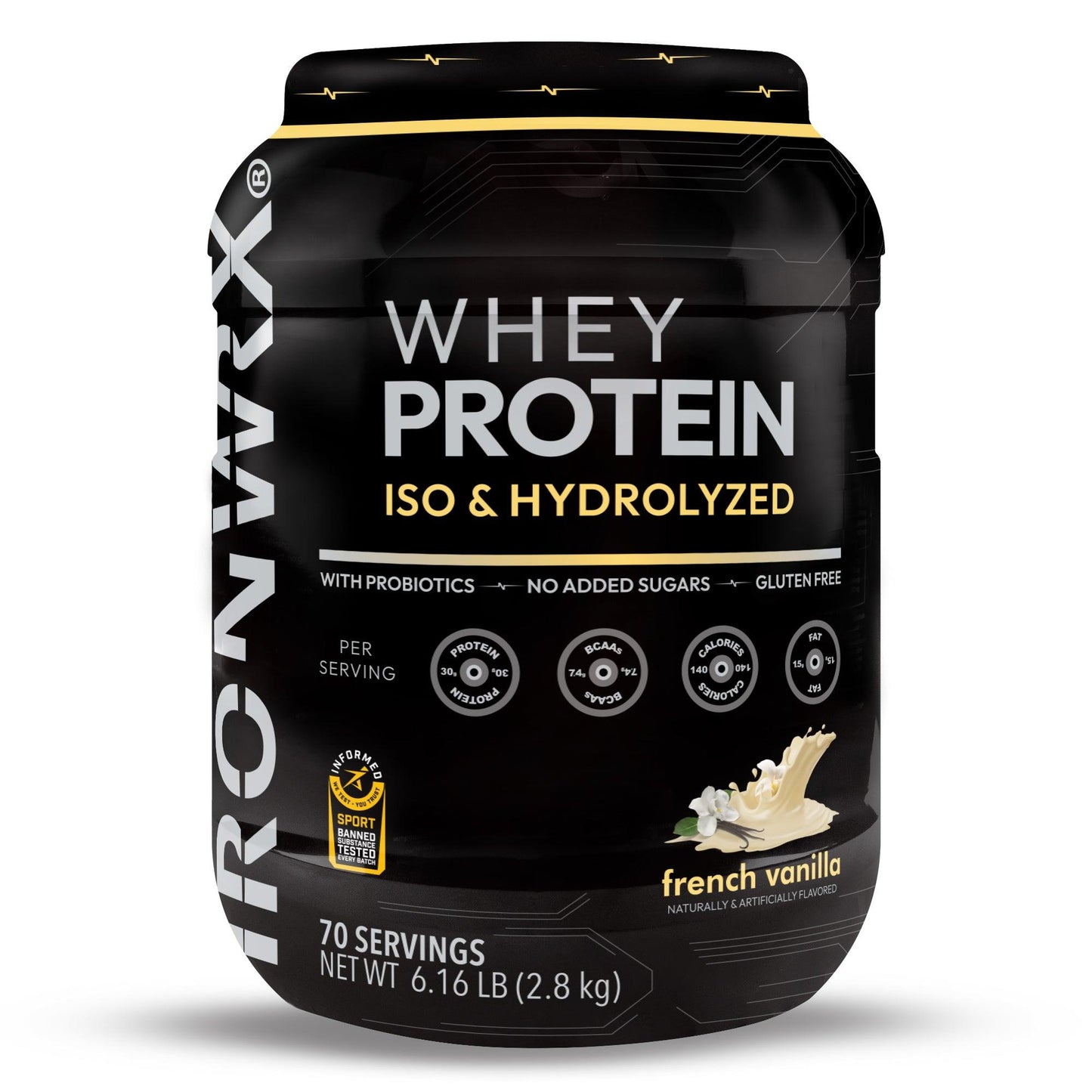
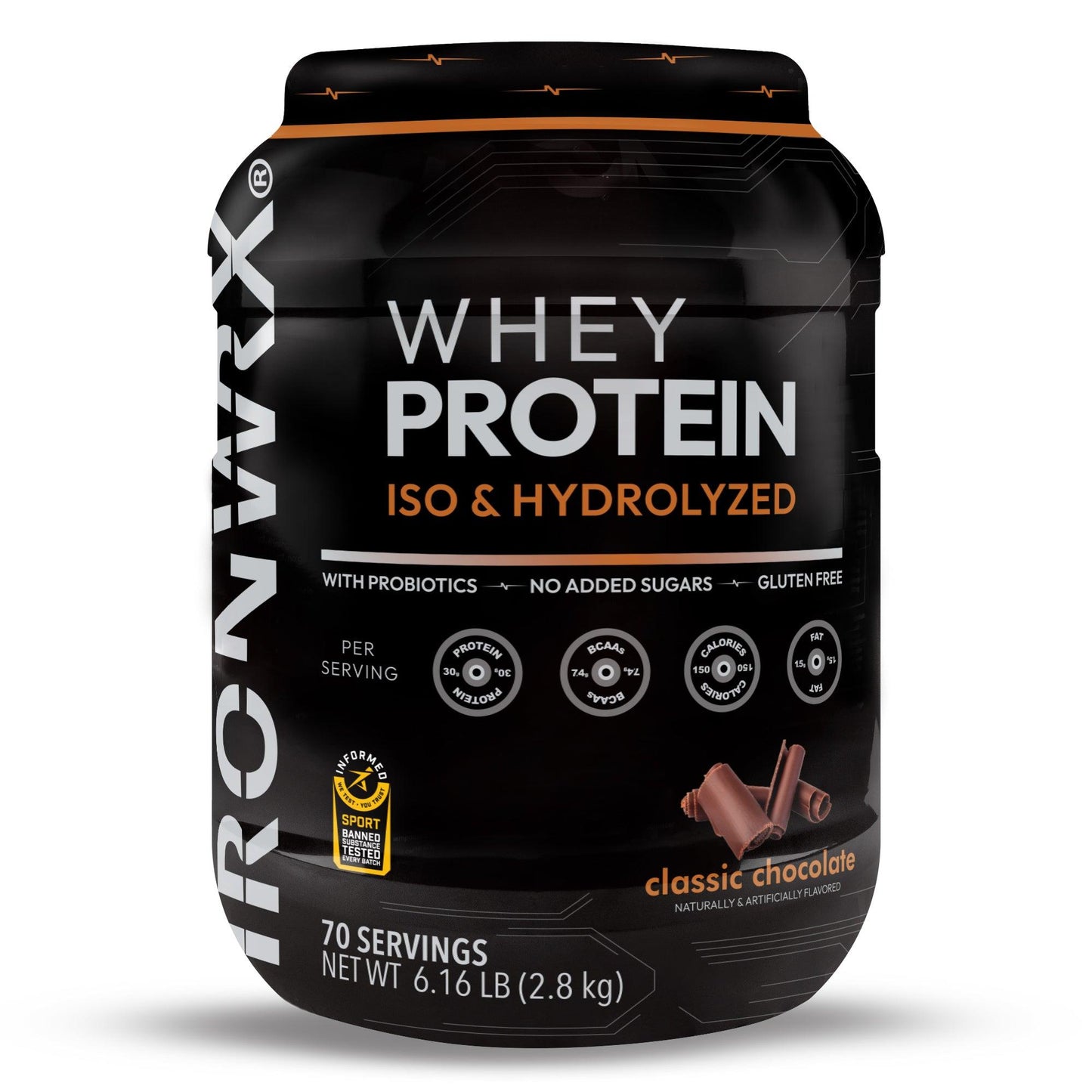
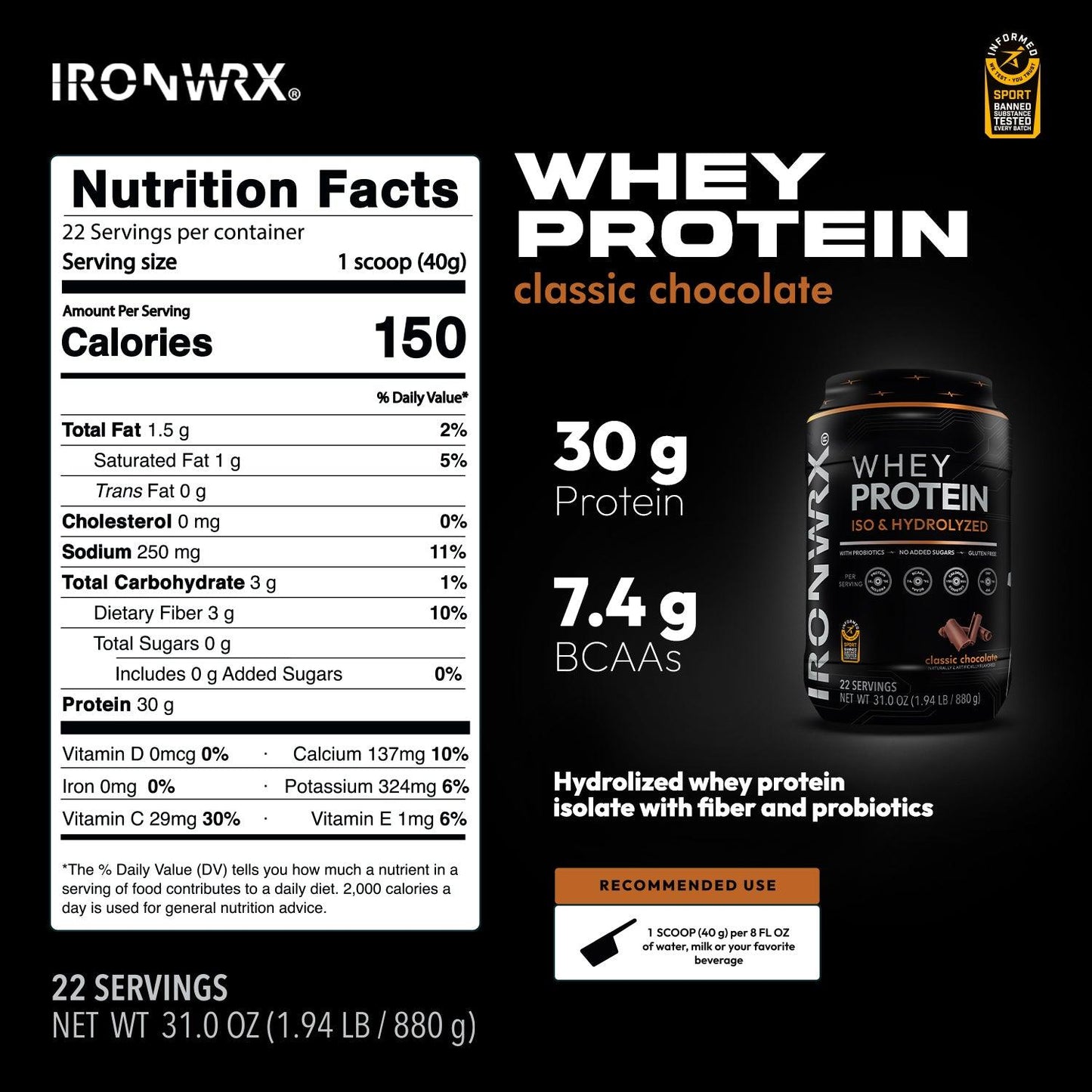
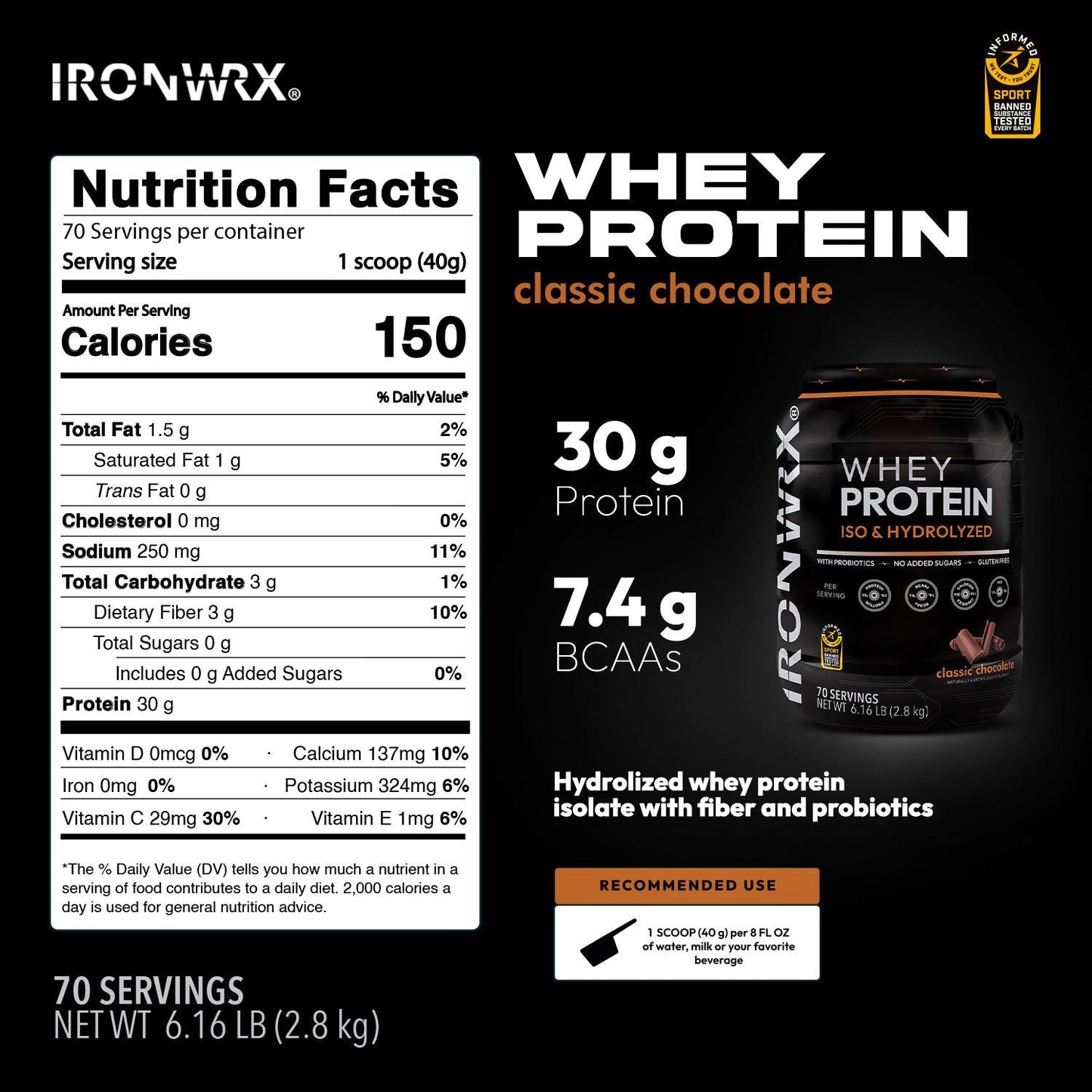
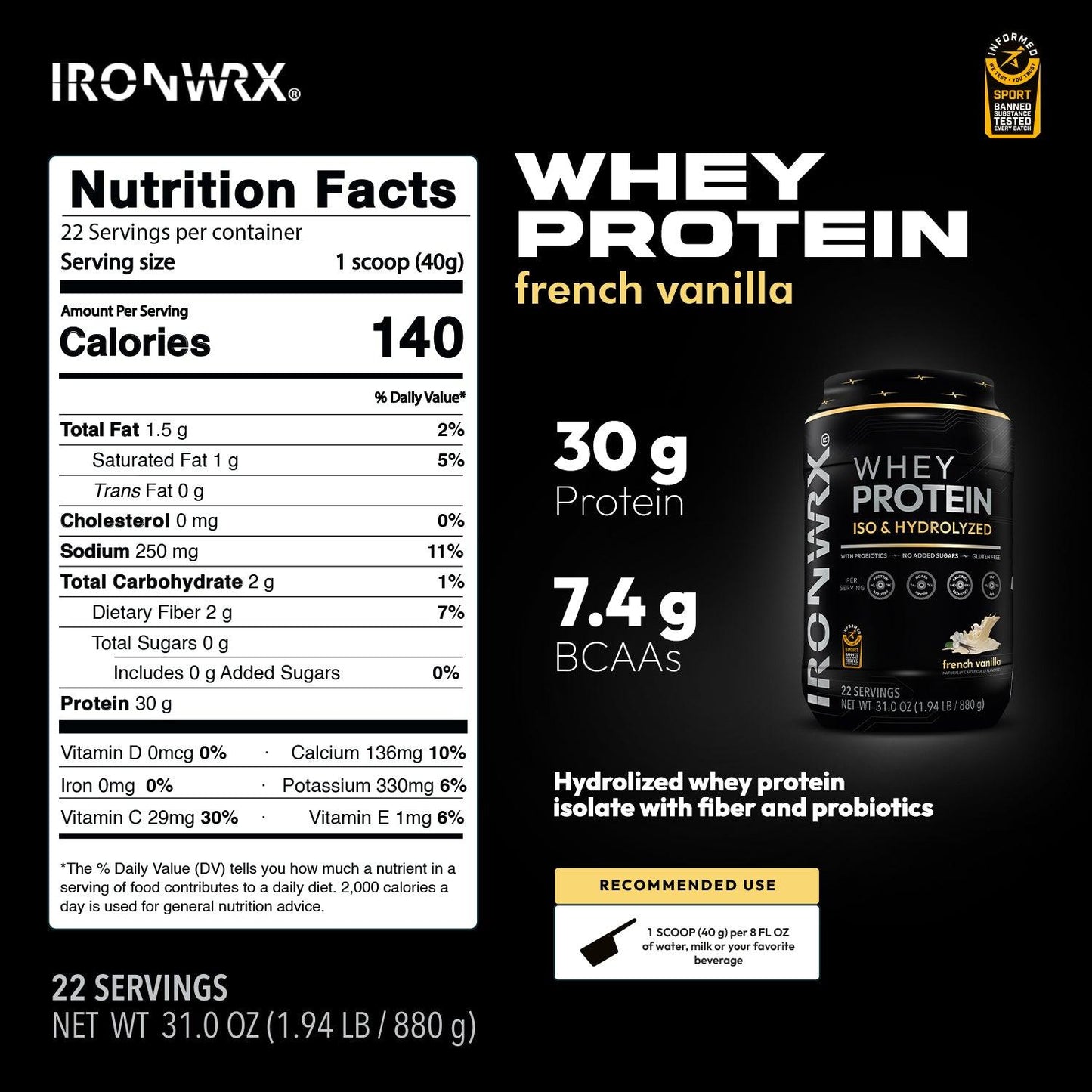
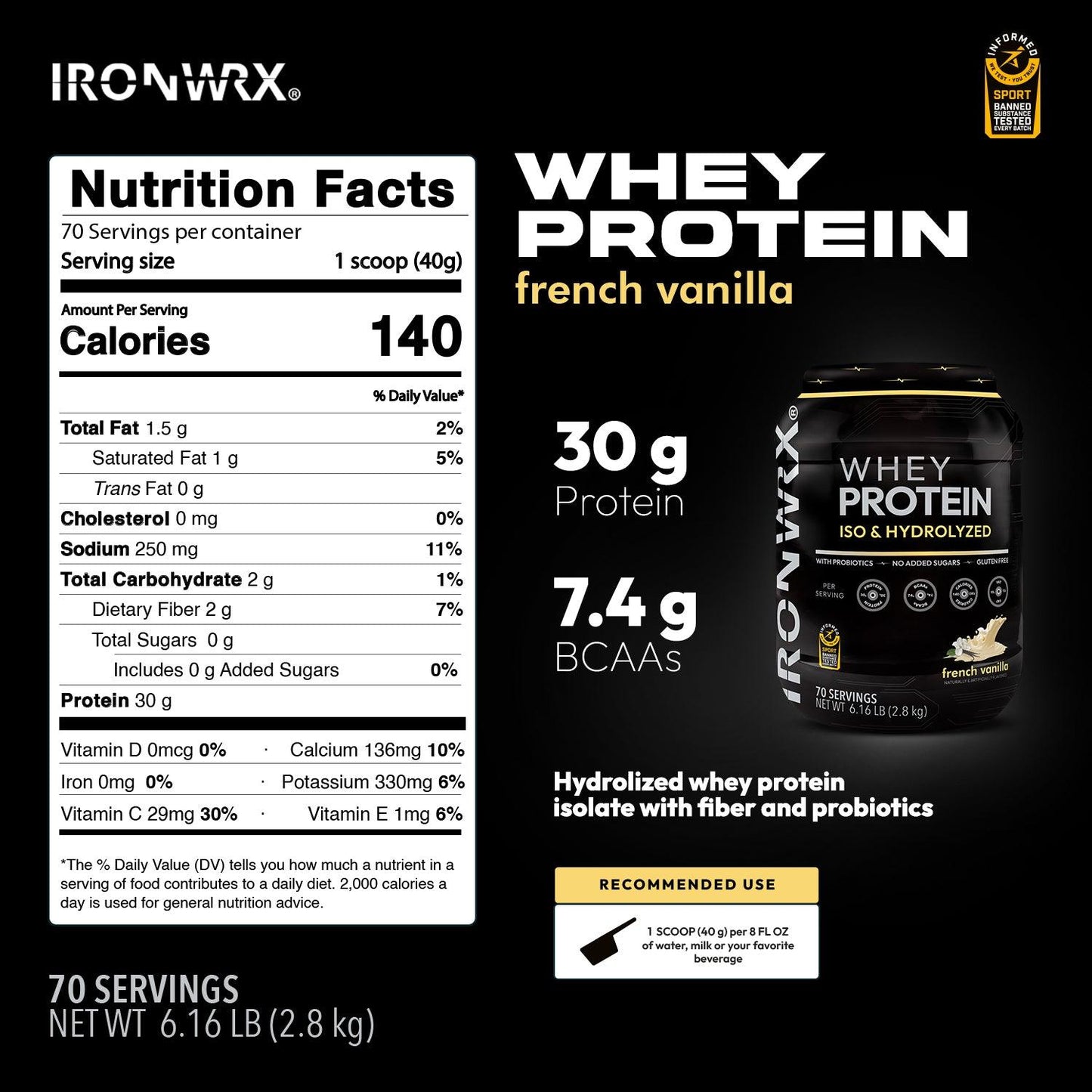
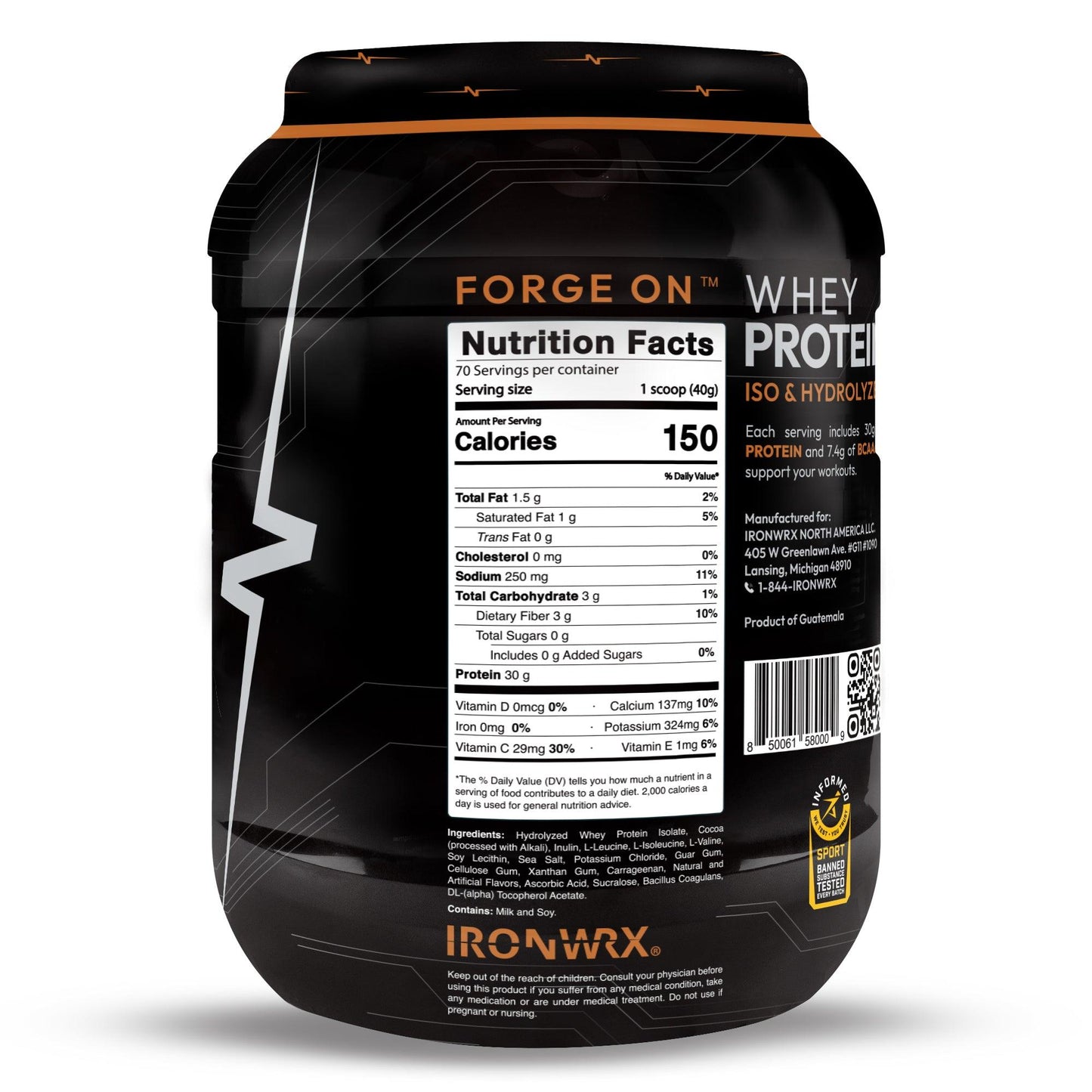
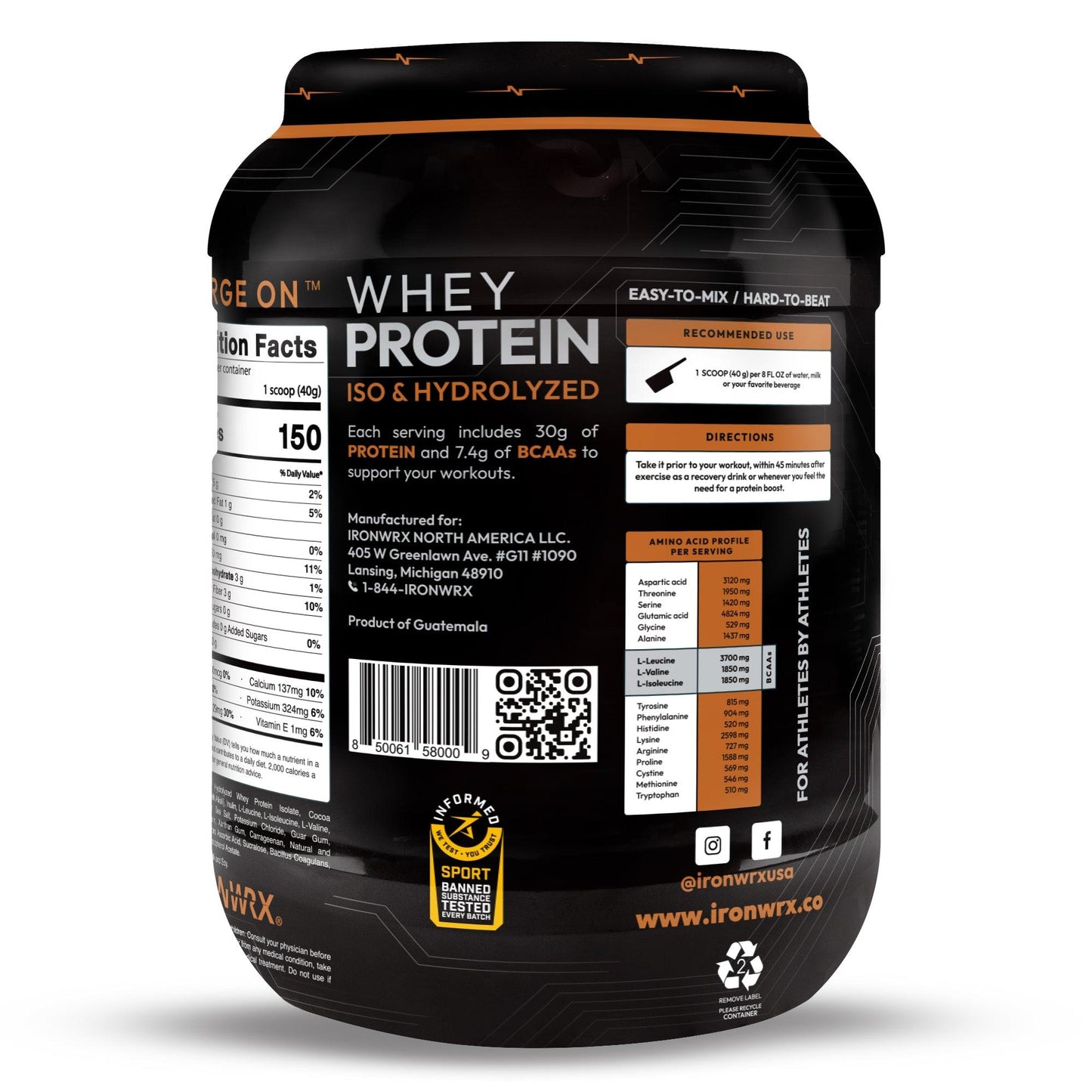
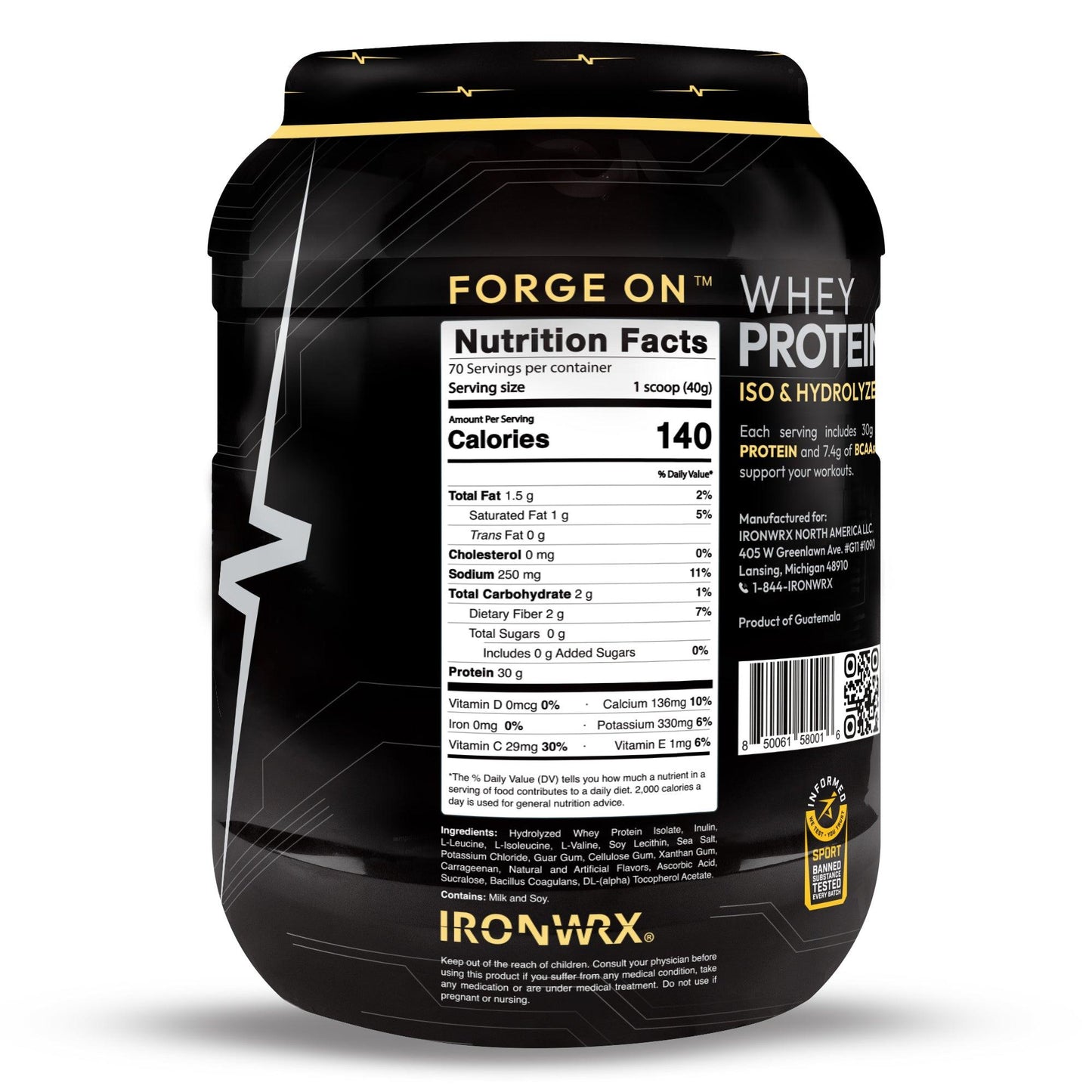
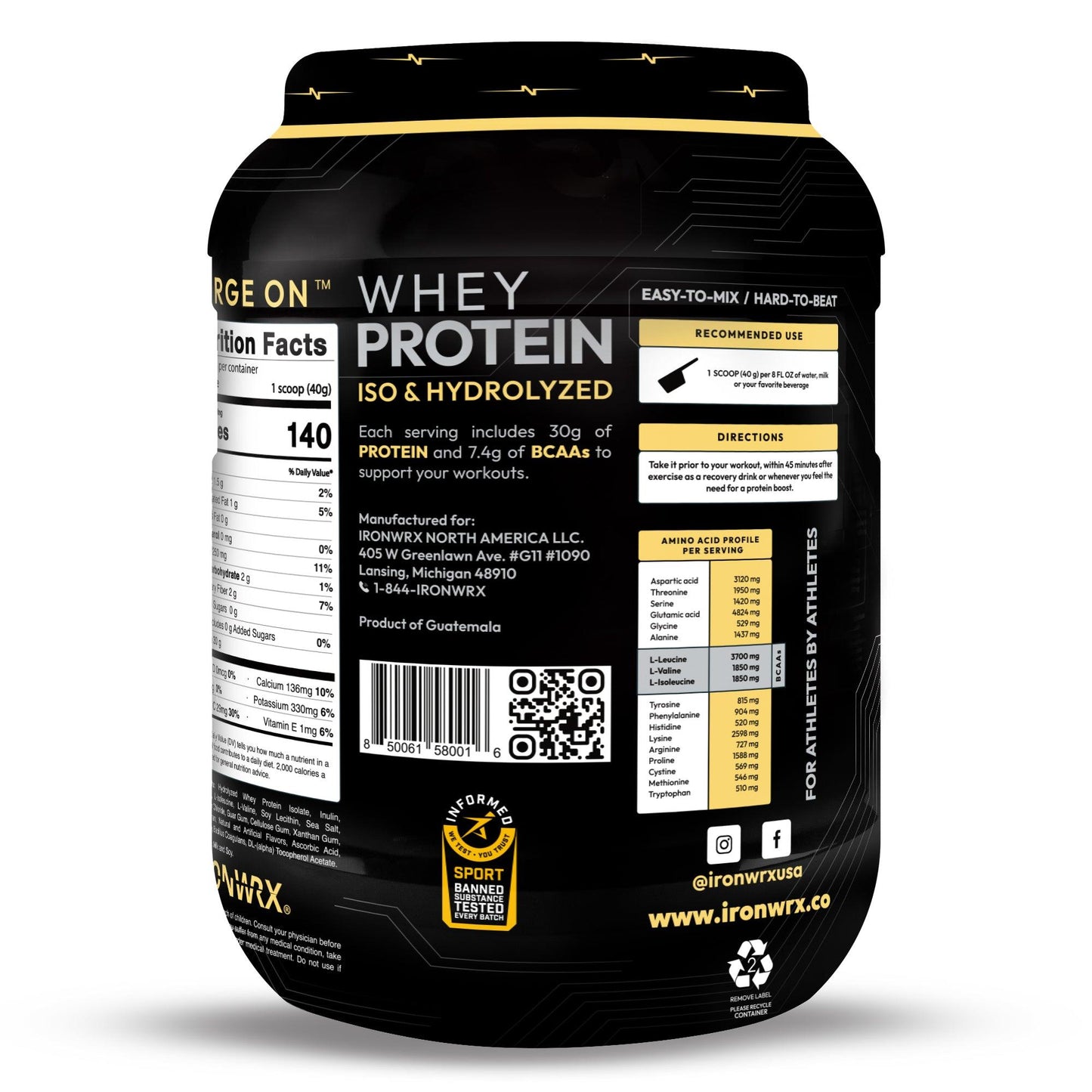
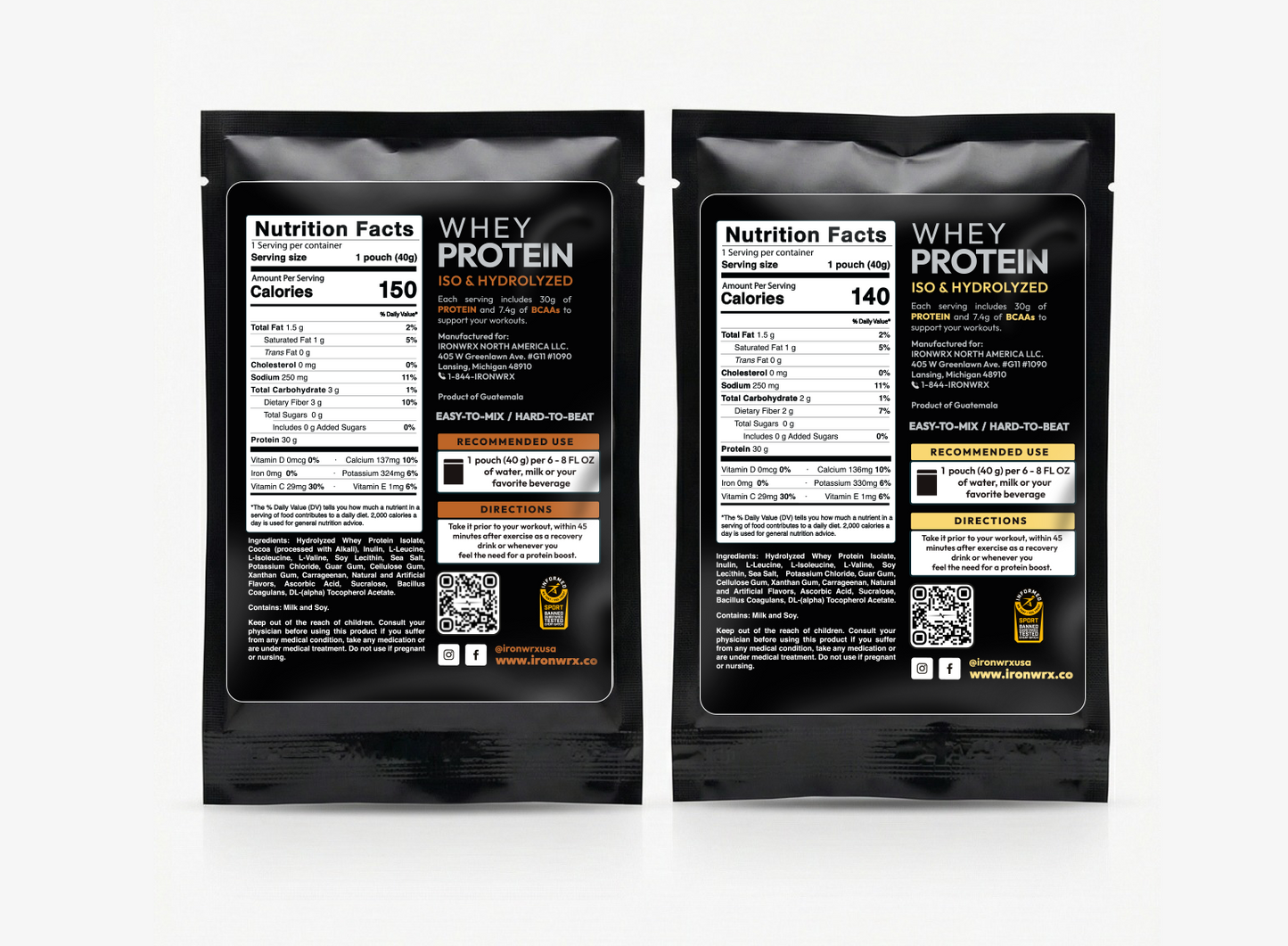
If you train fasted, or your next real meal is hours away, or you just don't want a heavy meal sitting in your stomach after a hard session, a fast-digesting protein like IRONWRX Whey Protein (100% hydrolyzed whey isolate, 30g protein per serving) is a genuinely useful tool — not because of a ticking clock, but because it's an easy, reliable way to hit your daily protein number without waiting on a full meal or dealing with a heavier, slower-digesting source.
The Practical Takeaway
- Hit your total daily protein target consistently — that's the biggest lever by far.
- Spread it across 3-4 meals roughly every 3-4 hours rather than backloading it into one shake.
- Don't panic if you can't eat within 30 minutes of training. You have hours, not minutes.
- Use a fast-digesting protein when it's convenient for your schedule — not because you're racing an imaginary clock.
Informed Sport Certified — Every Batch
Whatever protein source you're using to hit your daily number, every batch of IRONWRX Whey Protein is third-party tested by Informed Sport for substances banned in competition — one less thing to think about while you're focused on the numbers that actually matter.
FAQ
Do I need to drink a protein shake immediately after my workout? No. Research shows the window for protein intake to support muscle growth is several hours wide, not 30-60 minutes, especially if you ate a protein-containing meal before training.
Does protein timing matter at all? A little, in specific situations — training fasted, or going many hours before your next meal. For most people training and eating consistently, total daily protein intake and distribution across meals matter far more than hitting a precise post-workout window.
How much protein should I actually be eating per day? Guidance varies by goal and body weight, but current sports nutrition position statements generally support intakes in the range of roughly 1.6-2.2g per kg of body weight daily for those training for muscle growth — spread across multiple meals rather than concentrated in one sitting.
Forge On.
Sources
- Schoenfeld BJ, Aragon AA, Krieger JW. "The effect of protein timing on muscle strength and hypertrophy: a meta-analysis." J Int Soc Sports Nutr, 2013;10:53. tandfonline.com
- Aragon AA, Schoenfeld BJ. "Nutrient timing revisited: is there a post-exercise anabolic window?" J Int Soc Sports Nutr, 2013;10:5. researchgate.net
- Schoenfeld BJ. "Is There a Postworkout Anabolic Window of Opportunity for Nutrient Consumption? Clearing up Controversies." J Orthop Sports Phys Ther, 2018. jospt.org
- Jäger R, Kerksick CM, Campbell BI, et al. "International Society of Sports Nutrition Position Stand: protein and exercise." J Int Soc Sports Nutr, 2017;14:20. ncbi.nlm.nih.gov
- Areta JL, Burke LM, Ross ML, et al. "Timing and distribution of protein ingestion during prolonged recovery from resistance exercise alters myofibrillar protein synthesis." J Physiol, 2013;591(9):2319-2331. physoc.onlinelibrary.wiley.com