Share
When temperatures rise, so does the stress on your body. Whether you're running, cycling, lifting weights, playing team sports, or training for your next endurance event, hydration becomes one of the biggest factors affecting performance, recovery, and overall health.
Most athletes know they need to drink more water during the summer—but water alone isn't enough. Every drop of sweat carries away essential electrolytes that your muscles and nervous system depend on.
Understanding how to replace both fluids and electrolytes can help you train harder, recover faster, and avoid the performance decline that often comes with exercising in hot weather.
Why Hydration Matters More in the Heat
Your body cools itself primarily through sweating. While this helps regulate body temperature, it also causes significant losses of:
- Sodium
- Potassium
- Magnesium
- Chloride
- Water
According to the American College of Sports Medicine (ACSM), losing as little as 2% of your body weight through dehydration can negatively affect endurance, strength, cognitive function, and overall athletic performance.
As dehydration progresses, athletes often experience:
- Earlier fatigue
- Reduced power output
- Muscle cramps
- Increased heart rate
- Slower reaction time
- Poor concentration
- Delayed recovery
The hotter and more humid the environment, the greater these effects become.
The Three Electrolytes Every Athlete Should Pay Attention To
Sodium: The Foundation of Hydration
Sodium is the primary electrolyte lost through sweat.
Its job is much more than simply replacing salt.
Sodium helps:
- Maintain fluid balance
- Improve water absorption
- Support nerve signaling
- Enable proper muscle contraction
- Preserve blood volume during exercise
Without enough sodium, simply drinking large amounts of water may actually dilute blood sodium levels, reducing hydration efficiency.
Research consistently shows that replacing sodium during prolonged exercise improves fluid retention and helps maintain endurance performance.
Potassium: Supporting Muscle Function
Potassium works alongside sodium to regulate fluid inside your cells.
It plays a critical role in:
- Muscle contractions
- Nerve communication
- Maintaining healthy blood pressure
- Cellular hydration
Although potassium losses through sweat are smaller than sodium losses, athletes training for long durations or sweating heavily still benefit from replacing adequate amounts.
Low potassium levels may contribute to:
- Muscle weakness
- Fatigue
- Reduced performance
Magnesium: Recovery and Energy Production
Magnesium is involved in over 300 enzymatic reactions throughout the body.
For athletes, it helps support:
- Muscle relaxation
- Energy (ATP) production
- Protein synthesis
- Neuromuscular function
While sweat losses are generally lower than sodium losses, inadequate magnesium intake may contribute to muscle tightness, poor recovery, and increased fatigue over time.
Hydration Is More Than Drinking Water
One of the biggest hydration mistakes athletes make is assuming water alone is enough.
During longer workouts or high-heat training sessions, replacing fluids without electrolytes may not fully restore hydration status.
Instead, successful hydration means replacing:
- Water
- Sodium
- Potassium
- Other key electrolytes
- Carbohydrates when exercise duration and intensity require them
The right combination helps maintain fluid balance while providing energy for sustained performance.
How to Adjust Your Hydration Strategy During Summer Training
1. Measure Your Sweat Loss
One of the easiest ways to personalize hydration is by weighing yourself before and after exercise.
A general guideline:
- Every pound (0.45 kg) lost equals approximately 16–24 ounces (475–710 mL) of fluid loss.
Replacing these losses after training helps support faster recovery.
2. Increase Electrolytes as Heat Increases
Hotter temperatures generally mean higher sweat rates.
Longer sessions often require:
- More sodium
- More fluids
- Additional carbohydrates
Endurance athletes may require substantially higher sodium intake than recreational exercisers depending on sweat rate and individual variability.
3. Learn to Recognize Early Signs of Dehydration
Your body gives warning signs before serious dehydration develops.
Watch for:
- Dark yellow urine
- Elevated heart rate
- Unusual fatigue
- Muscle cramps
- Headaches
- Dizziness
- Slower recovery between workouts
Address these signs early by increasing fluid and electrolyte intake.
4. Choose the Right Sports Drink
Not all hydration products serve the same purpose.
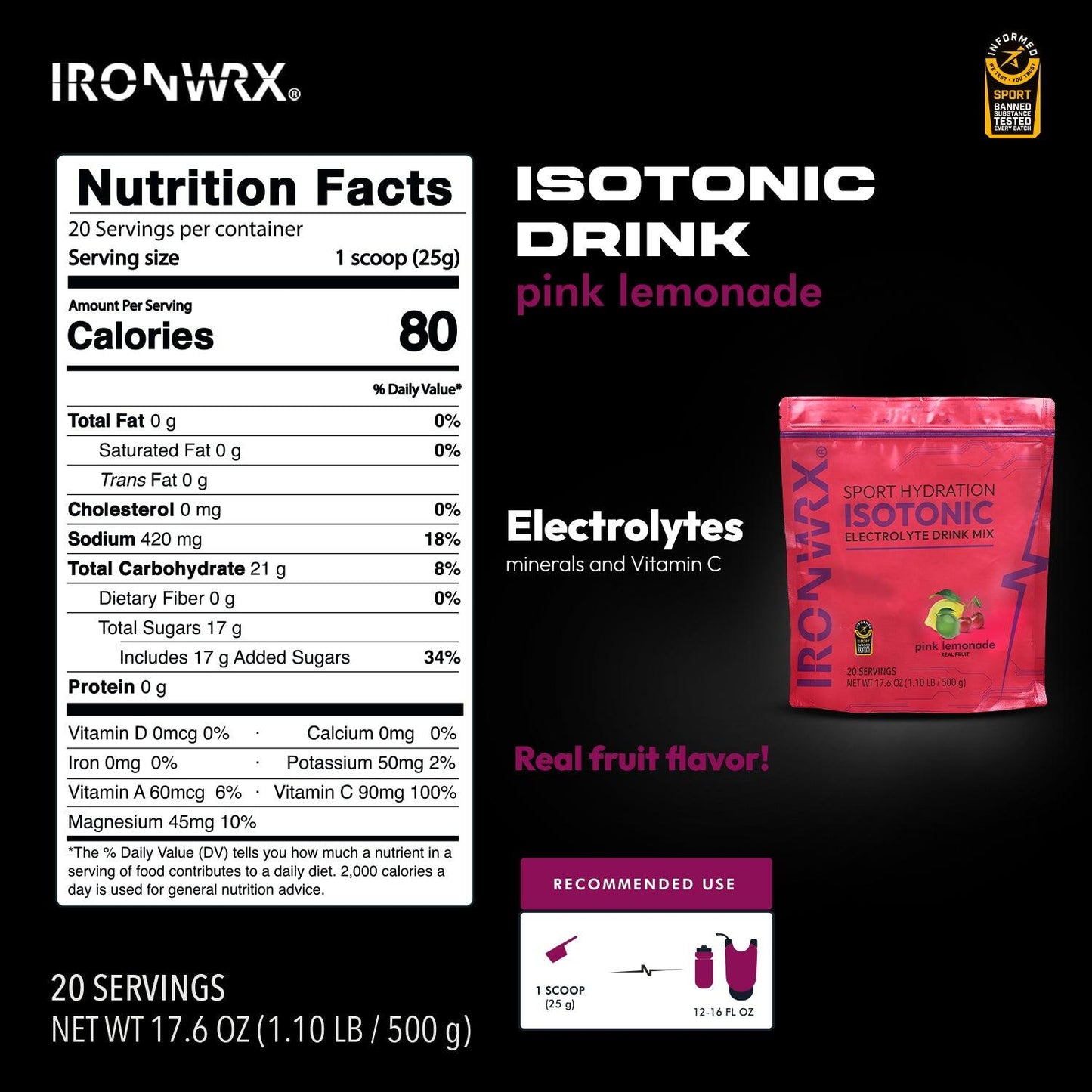
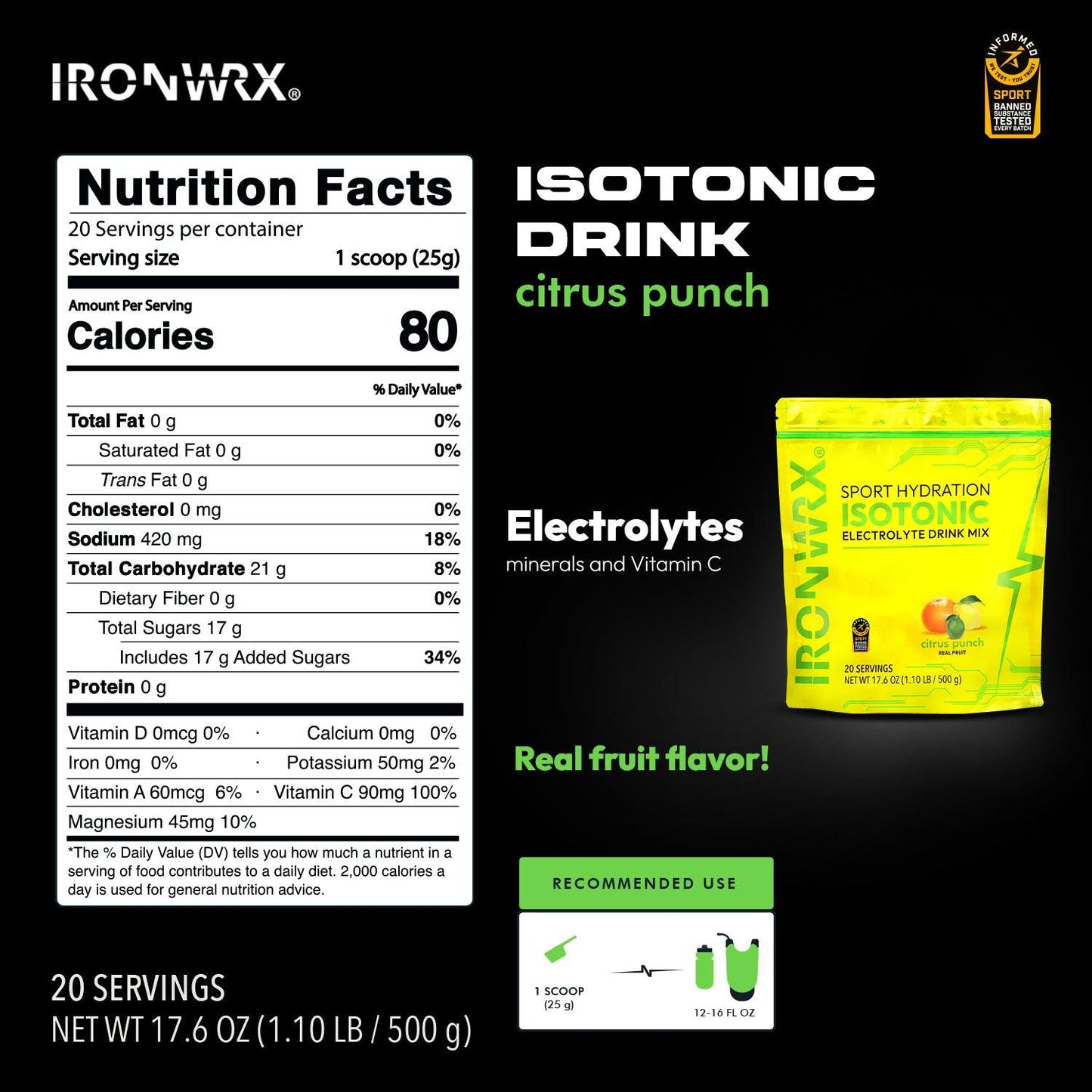
Isotonic Drinks
Ideal for:
- Moderate workouts
- Running
- Cycling
- Team sports
- Hot weather sessions
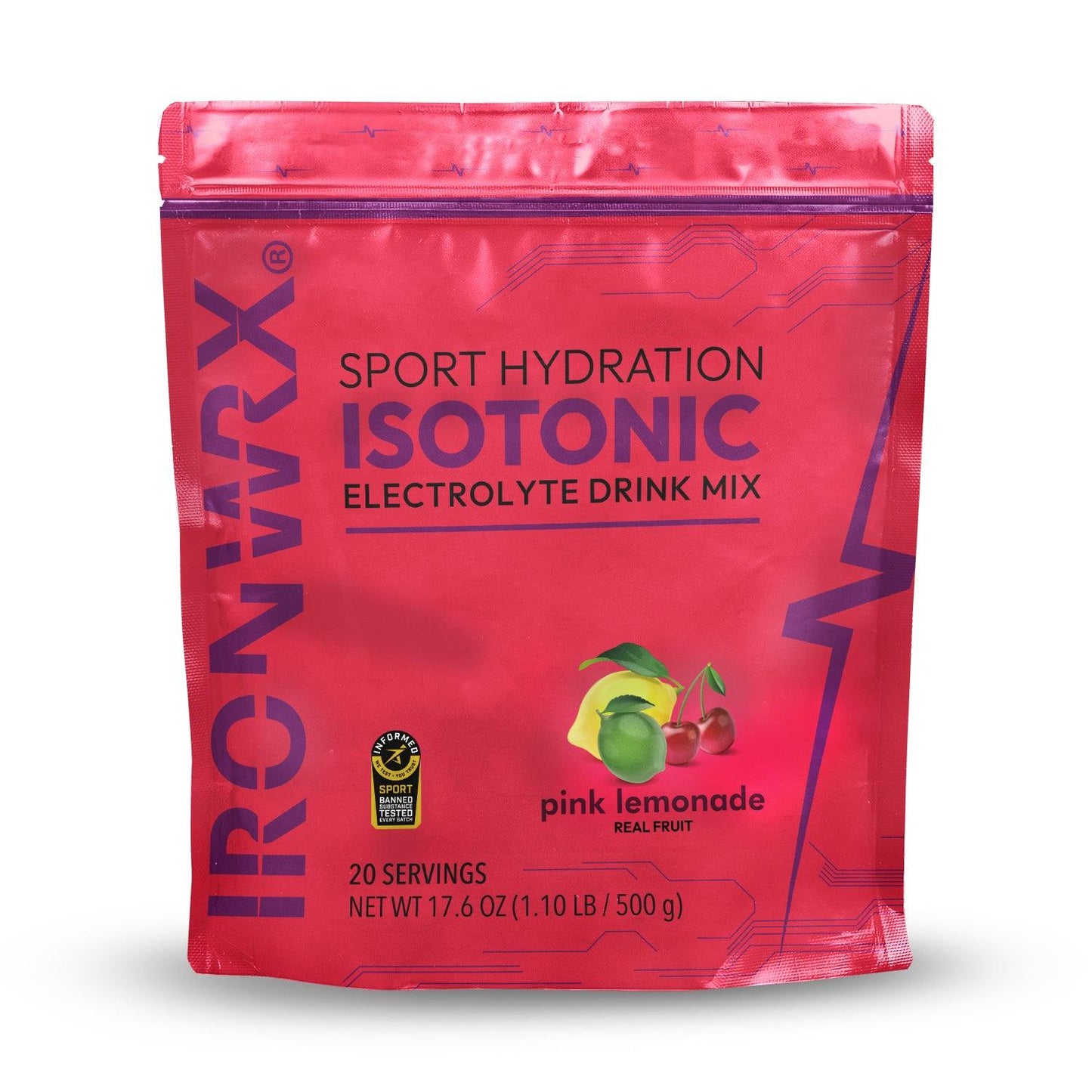
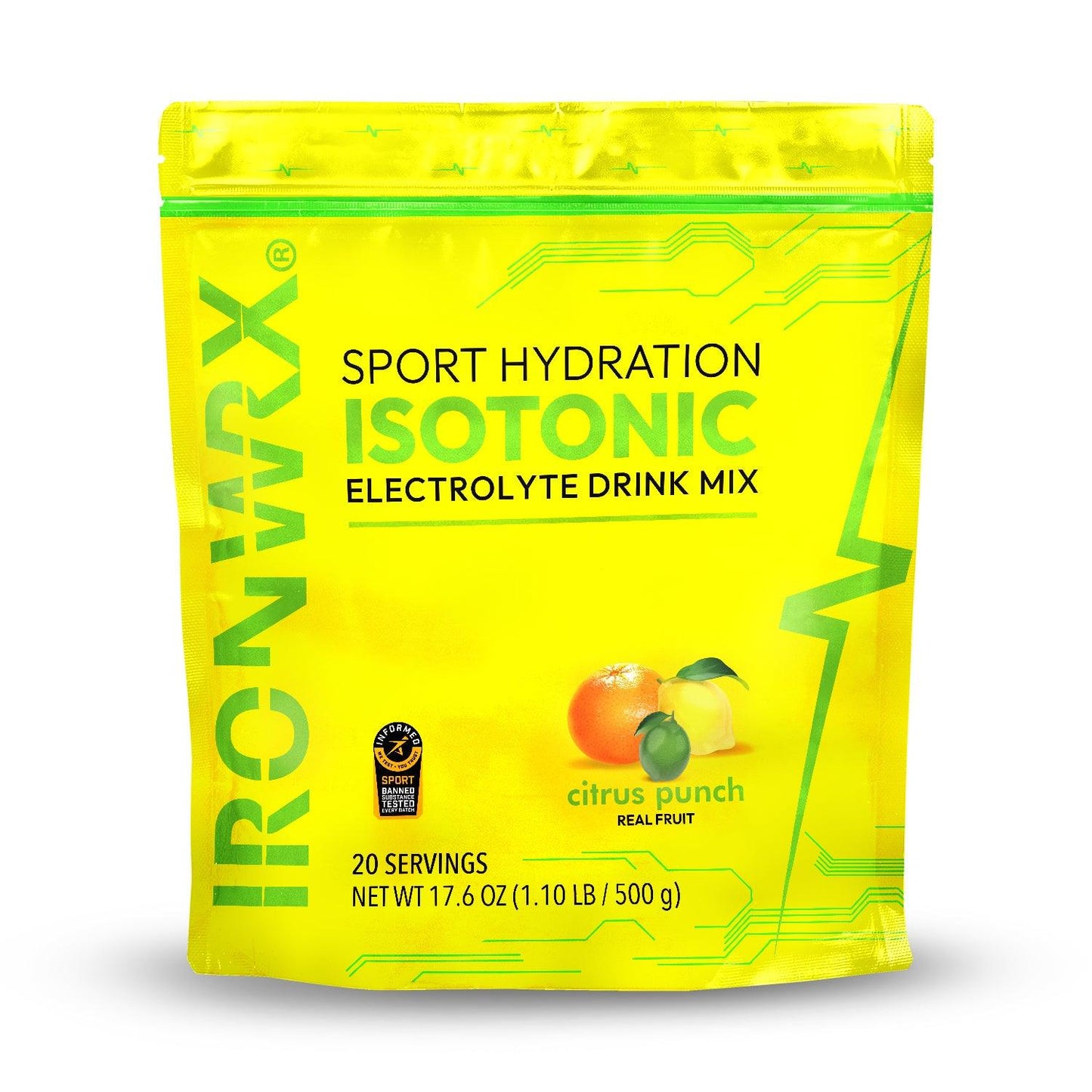
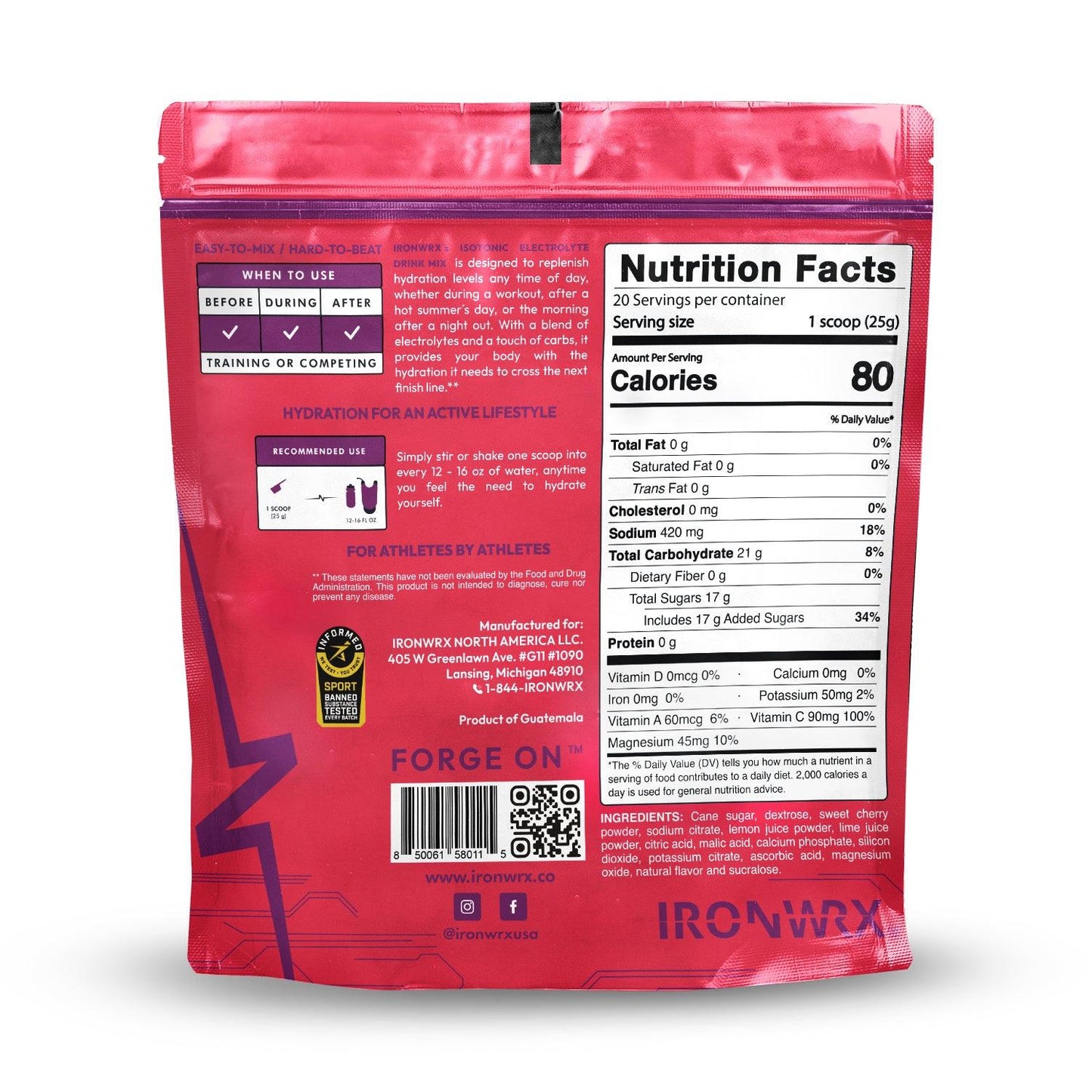
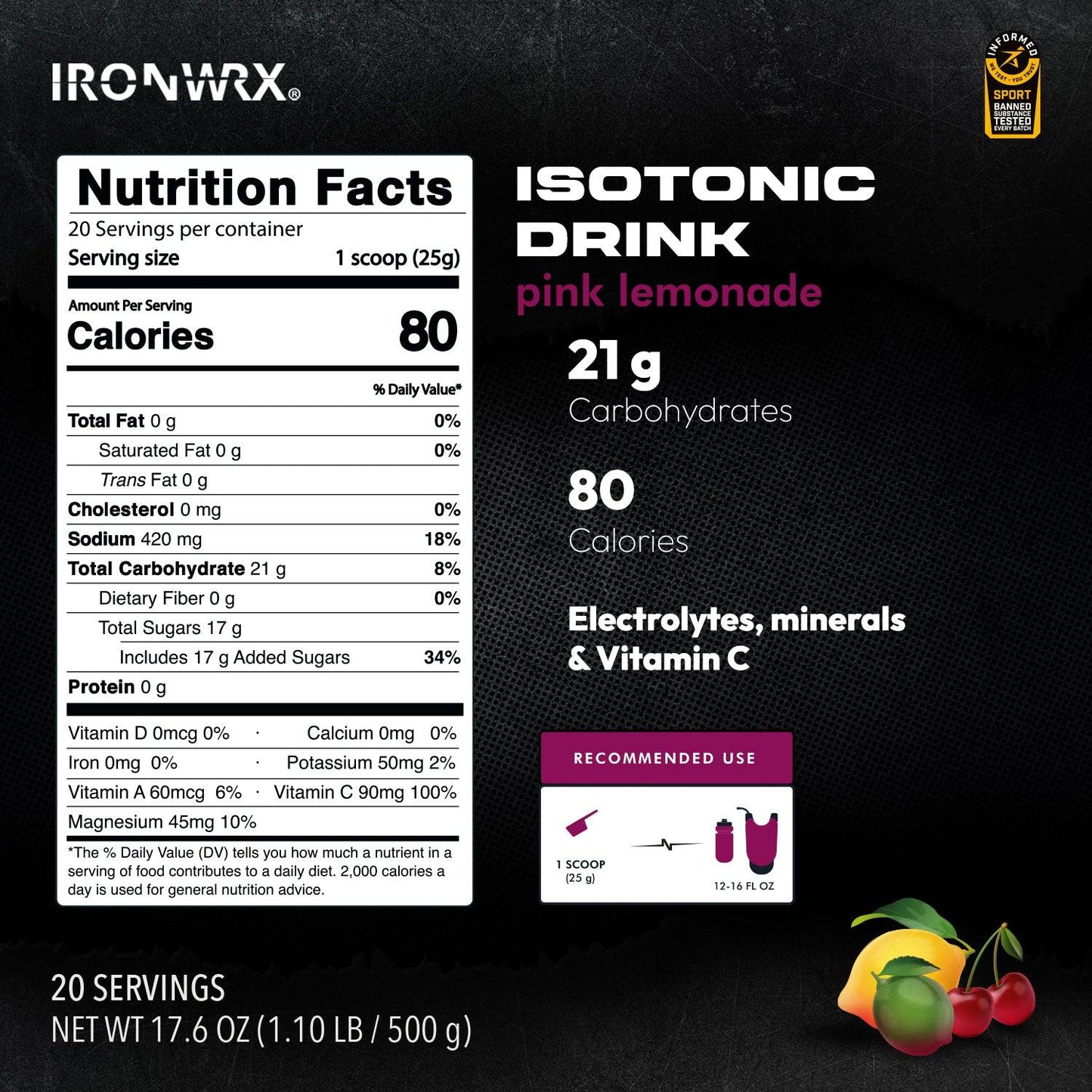
They provide fluids and electrolytes with a carbohydrate concentration that allows rapid absorption while supplying energy.
Hypertonic Drinks
Best suited for:
- Long endurance sessions
- High-volume training
- Recovery after prolonged exercise
Their higher carbohydrate content helps replenish glycogen stores while replacing fluids and minerals.
Choosing the appropriate formula depends on workout duration, intensity, and environmental conditions.
5. Don't Wait Until You're Thirsty
Thirst is often a delayed indicator of dehydration.
Instead, plan hydration throughout your workout:
Before Exercise
- Begin well hydrated.
- Drink fluids with electrolytes before long or hot sessions.
During Exercise
- Sip regularly instead of drinking large amounts all at once.
- Replace both fluids and sodium during prolonged exercise.
After Exercise
- Continue replacing both water and electrolytes to support recovery and restore fluid balance.
Hydration Should Be Personalized
Every athlete sweats differently.
Factors influencing hydration needs include:
- Body size
- Exercise intensity
- Fitness level
- Temperature
- Humidity
- Sweat rate
- Individual sodium losses
There is no one-size-fits-all hydration strategy.
The best athletes continually adjust their hydration based on training conditions rather than relying on a fixed routine.
Train Smarter This Summer
Hydration isn't simply about drinking more water—it's about replacing what your body actually loses.
By paying attention to electrolytes, monitoring sweat losses, and matching your hydration strategy to your training demands, you can maintain performance, recover more efficiently, and reduce the risk of heat-related fatigue.
As the summer temperatures climb, let science—not guesswork—guide your hydration plan.
Scientific References
- American College of Sports Medicine. Exercise and Fluid Replacement Position Stand. Medicine & Science in Sports & Exercise. 2007.
- Thomas DT, Erdman KA, Burke LM. Position of the Academy of Nutrition and Dietetics, Dietitians of Canada, and the American College of Sports Medicine: Nutrition and Athletic Performance. Journal of the Academy of Nutrition and Dietetics. 2016.
- Sawka MN, et al. American College of Sports Medicine Position Stand: Exercise and Fluid Replacement. Medicine & Science in Sports & Exercise.
- Casa DJ, et al. National Athletic Trainers' Association Position Statement: Fluid Replacement for Athletes. Journal of Athletic Training.
- Shirreffs SM, Maughan RJ. Volume Repletion after Exercise-Induced Volume Depletion in Humans. Sports Medicine.