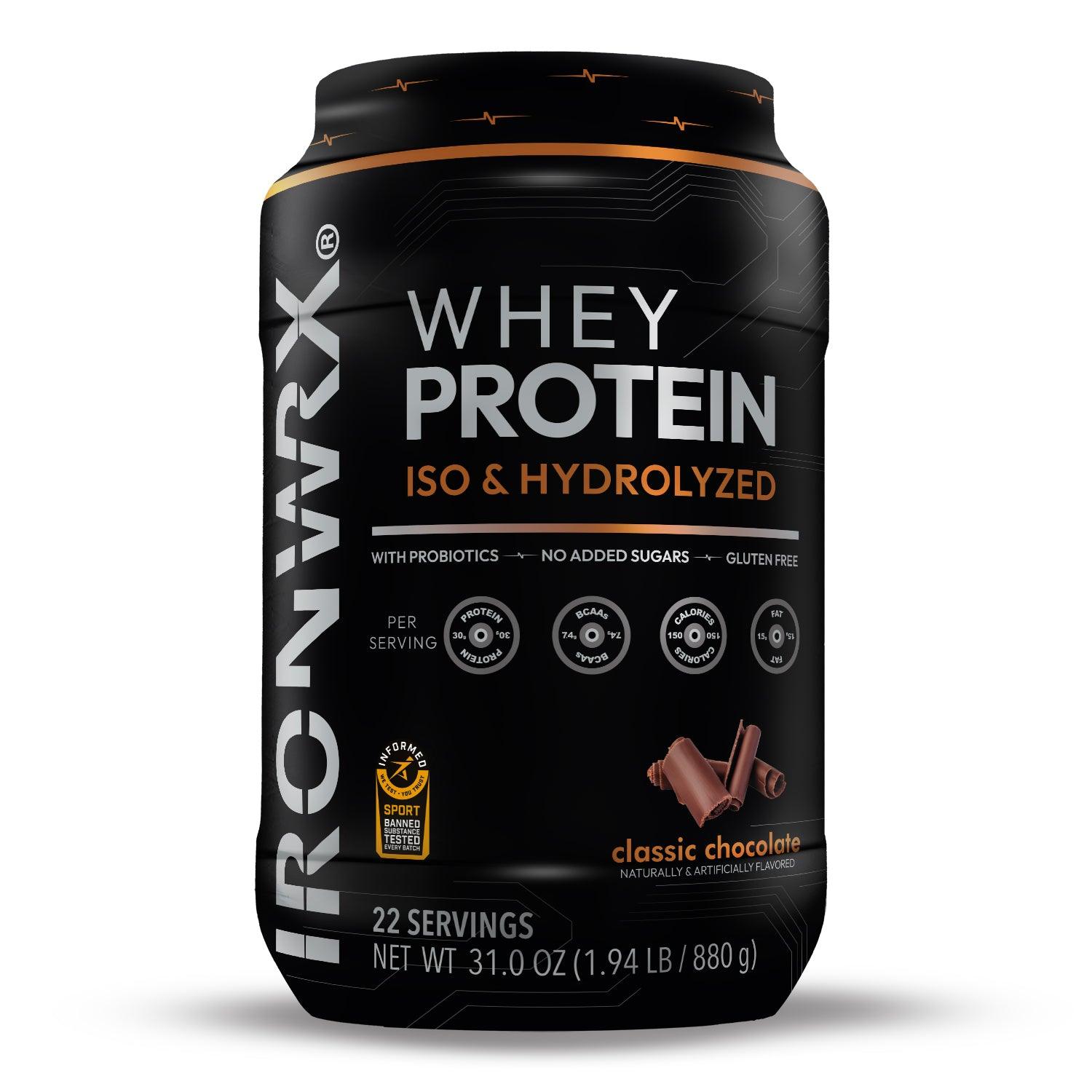
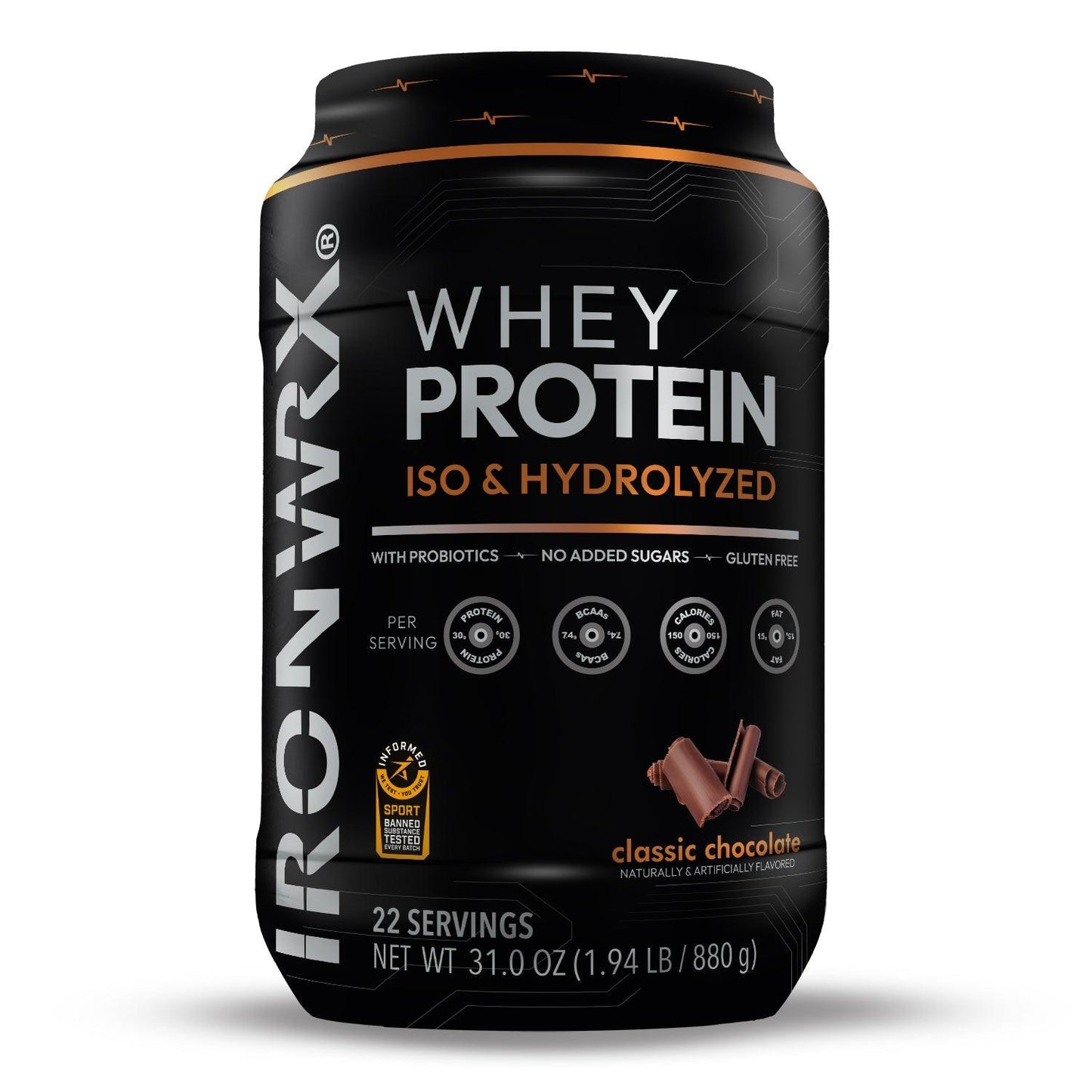
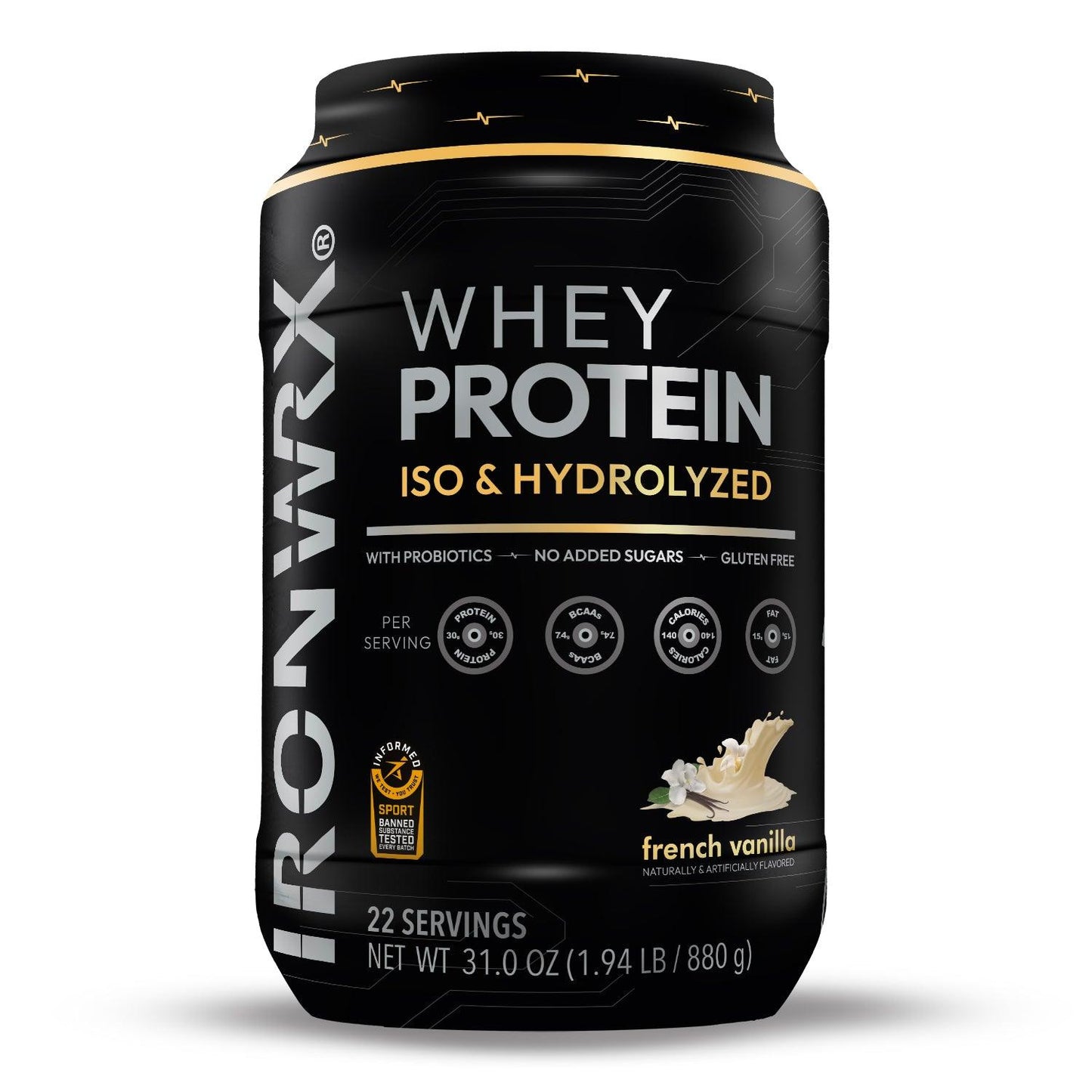
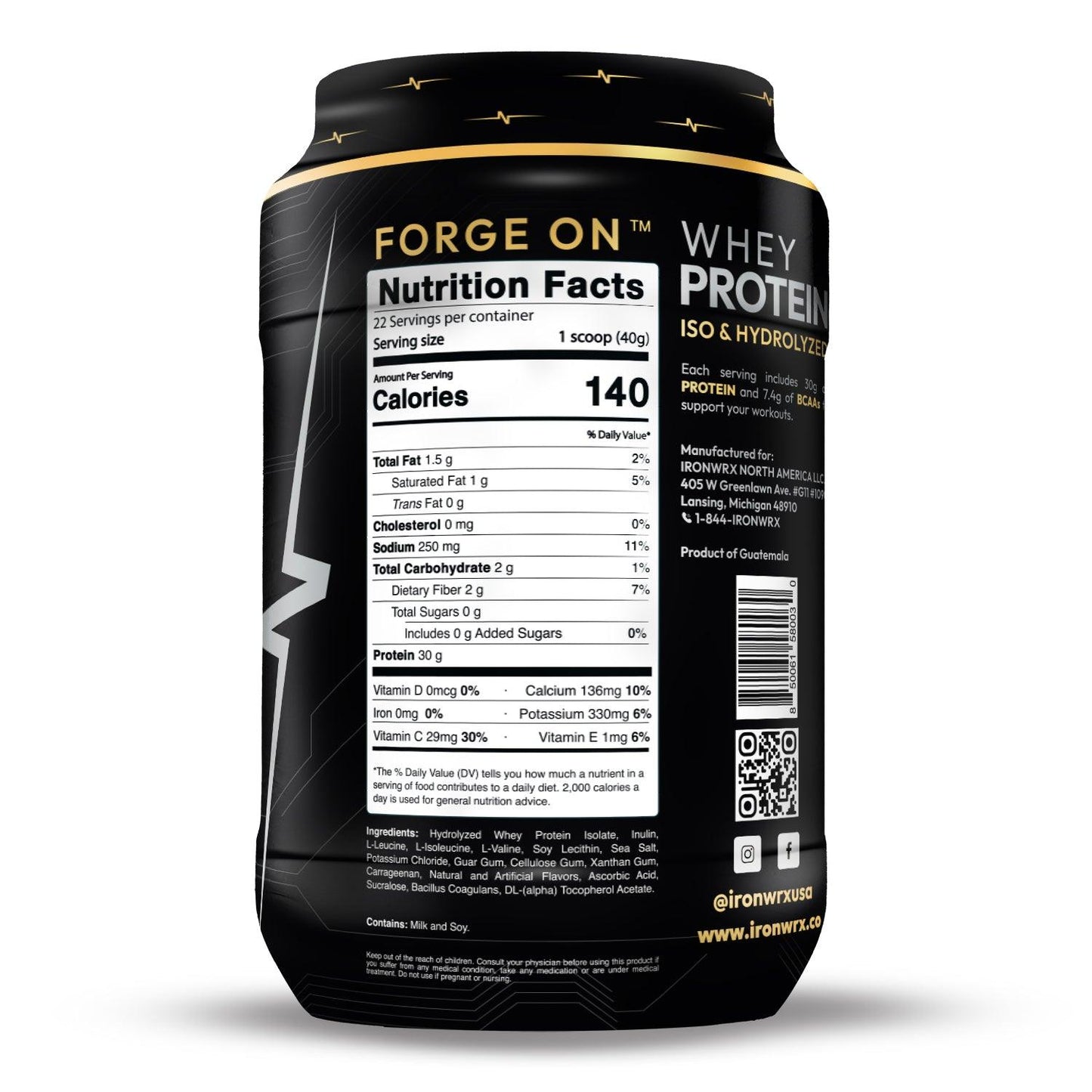
Hydrolyzed Whey Protein Isolate vs. Concentrate, Isolate, and Blends: 4 Key Advantages Backed by Science
A practical, guide for athletes, fitness enthusiasts, and health-conscious consumers who want a fast-digesting, high-purity protein option.
 The four most practical advantages of hydrolyzed whey protein isolate for performance-focused users.
Introduction: Why Hydrolyzed Whey Protein Isolate Is Different
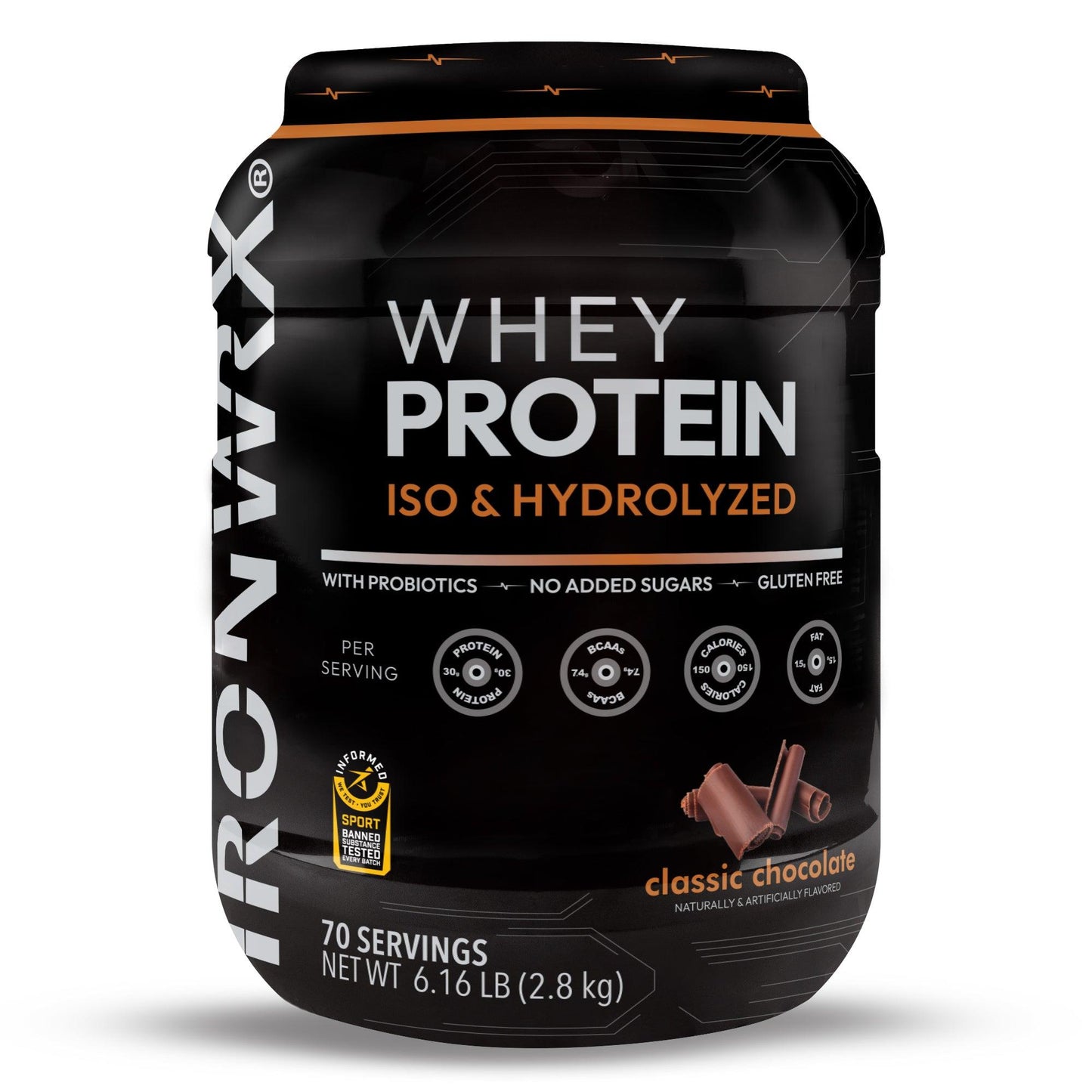
Whey protein is already one of the most researched protein sources in sports nutrition, but not all whey powders are processed the same way. Whey protein concentrate typically contains more lactose, fat, and carbohydrates. Whey protein isolate is filtered further for a higher protein percentage. Hydrolyzed whey protein isolate goes one step beyond: the protein is enzymatically broken into smaller peptides, creating a “pre-digested” form designed for rapid amino acid availability and easier digestion.
For consumers comparing hydrolyzed whey protein isolate against whey concentrate, whey isolate, or blended proteins, the advantage is not simply “more protein.” The real value is a combination of speed, purity, digestive comfort, and recovery-focused usability.
Advantage 1: Faster Amino Acid Availability
The defining advantage of hydrolyzed whey protein isolate is speed. Because enzymatic hydrolysis breaks larger protein chains into smaller peptides, the body has less digestive work to do before amino acids become available in the bloodstream.
“WPH intake resulted in faster bioavailability approximately 15 minutes and higher plasma amino acid concentrations.” — Kyun et al., Journal of Men’s Health, 2023
In practical terms, faster amino acid availability may be especially useful after training, during periods of high training frequency, or when an athlete wants a protein source that feels light and fast rather than heavy or slow-digesting.
Advantage 2: Easier Digestion and Better Tolerance
Many protein users stop taking supplements not because they dislike protein, but because of bloating, heaviness, or discomfort. Hydrolyzed whey protein isolate is designed to reduce that digestive burden by delivering protein as smaller peptide fragments.
Compared with whey concentrate, hydrolyzed whey isolate generally offers a cleaner digestive profile because it starts from isolate-level filtration and then undergoes hydrolysis. That means very low lactose and fat, plus a peptide structure that may be easier for sensitive users to tolerate.
A 2023 study in Molecules reported that low-molecular-weight whey protein hydrolysate showed “faster intestinal permeation” and “improved absorption compared to WPC.”
Advantage 3: Cleaner Macros Than Concentrate-Based Supplements
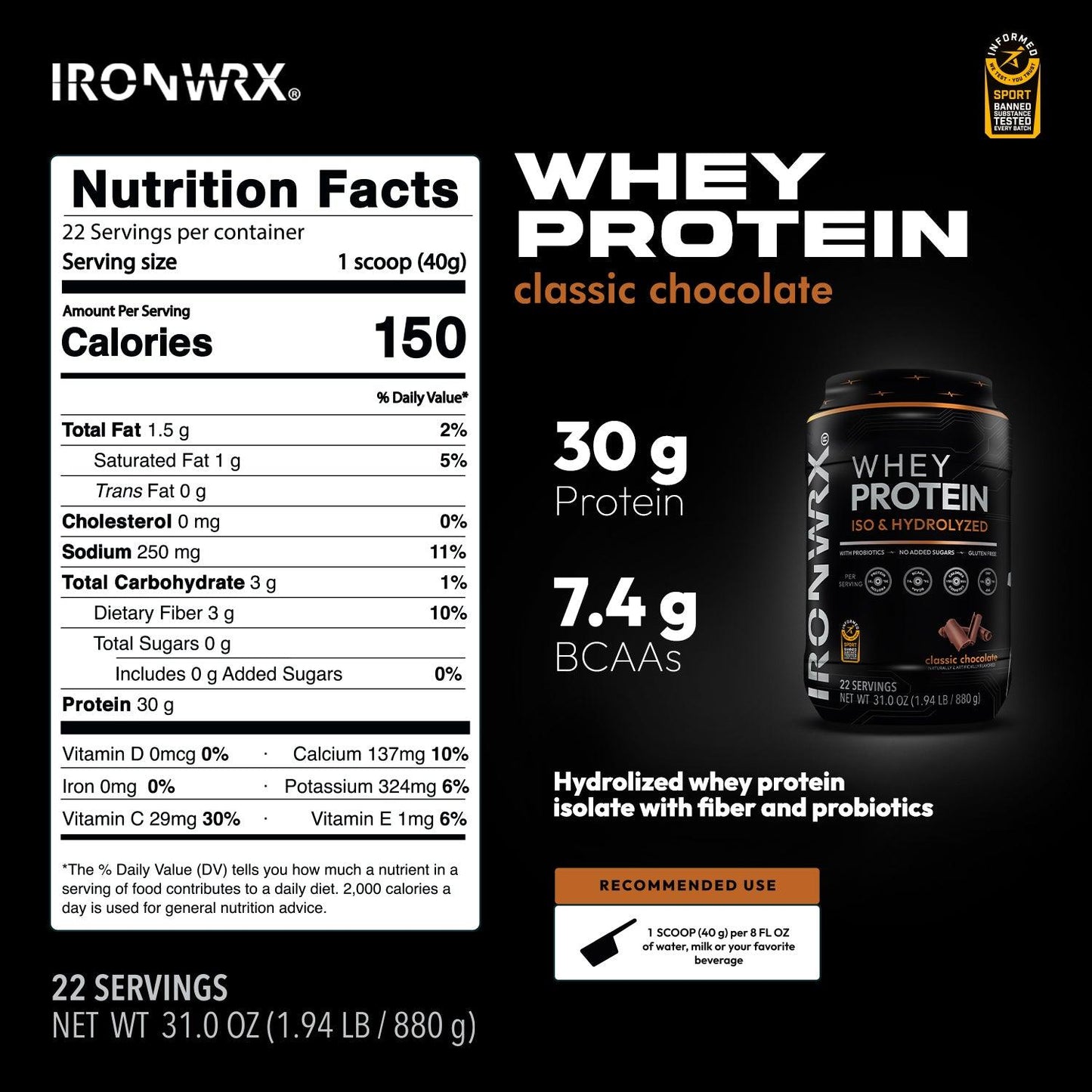
Whey concentrate can be effective, but it usually contains more lactose, fat, and carbohydrates than isolate or hydrolyzed isolate. For people tracking calories, carbohydrates, or digestive triggers, those extra grams matter.
|
Protein Type |
Typical Profile |
Best Fit |
|
Whey Protein Concentrate |
Lower protein percentage, more lactose, more fat, more carbohydrates |
Budget-focused users without digestive concerns |
|
Whey Protein Isolate |
Higher protein percentage, very low lactose and fat |
Lean nutrition, lactose-conscious users, daily use |
|
Hydrolyzed Whey Protein Isolate |
High protein purity plus enzymatically broken peptide structure |
Fast digestion, recovery timing, sensitive stomachs, performance-focused routines |
|
Blended Whey Proteins |
Variable mix of concentrate, isolate, and sometimes hydrolysate |
Users who prioritize flavor, texture, or cost over precision |
Advantage 4: Recovery Support When Timing Matters
Hydrolyzed whey protein isolate is not magic, and total daily protein intake still matters most. However, when training intensity is high, digestion is sensitive, or quick post-workout nutrition is a priority, hydrolyzed whey isolate offers a practical advantage: it can deliver essential amino acids rapidly in a low-fat, low-lactose format.
Research in the British Journal of Nutrition found that post-exercise whey protein hydrolysate increased muscle protein synthesis signaling more than a matched amino acid mixture in an animal model.
The takeaway for consumers is clear: hydrolyzed whey isolate is most valuable when protein quality, speed, and digestive comfort are all priorities at once.
Who Should Choose Hydrolyzed Whey Protein Isolate?
· People who feel bloated or heavy after concentrate-based shakes
· Athletes who train frequently and want a fast, light post-workout option
· Consumers who want high protein with minimal lactose, fat, and carbohydrates
· Anyone comparing premium protein powders and wanting a science-based reason to upgrade
FAQ
Is hydrolyzed whey protein isolate better than whey protein concentrate?
It can be better for users who need faster digestion, lower lactose, lower fat, and a cleaner macro profile. Whey concentrate remains a cost-effective option for users without digestive concerns.
Is hydrolyzed whey protein isolate worth it?
It is most worth it for performance-focused users, people with sensitive digestion, and those who want a premium protein with rapid amino acid availability. For casual users on a tight budget, isolate or concentrate may be sufficient.
Does hydrolyzed whey build more muscle?
Hydrolyzed whey may increase amino acid availability faster, but long-term muscle gain still depends on total daily protein intake, resistance training, recovery, and consistency.
Scientific References
1. Kyun S., Choi J., Hwang D., et al. “Comparison of plasma amino acid concentrations after whey protein hydrolysate intake in young men at rest and post-resistance exercise.” Journal of Men’s Health, 2023.
2. Chang Y. B., Kim H., Lee S. K., et al. “Characteristics and Absorption Rate of Whey Protein Hydrolysates Prepared Using Flavourzyme after Treatment with Alcalase and Protamex.” Molecules, 2023.
3. Kanda A., Nakayama K., Fukasawa T., et al. “Post-exercise whey protein hydrolysate supplementation induces a greater increase in muscle protein synthesis than its constituent amino acid content.” British Journal of Nutrition, 2013.
4. Toedebusch R. G., Childs T. E., Hamilton S. R., et al. “Postprandial leucine and insulin responses and toxicological effects of a novel whey protein hydrolysate-based supplement in rats.” Journal of the International Society of Sports Nutrition, 2012.