Share
Creatine: More Than Just a Gym Supplement
If you’ve ever walked through a supplement store, you’ve probably seen creatine. It’s often marketed to bodybuilders and athletes — but science shows it may do much more than help you lift heavier weights.
Here’s what research actually says about the benefits, safety, and real-world applications of creatine.
What Is Creatine?
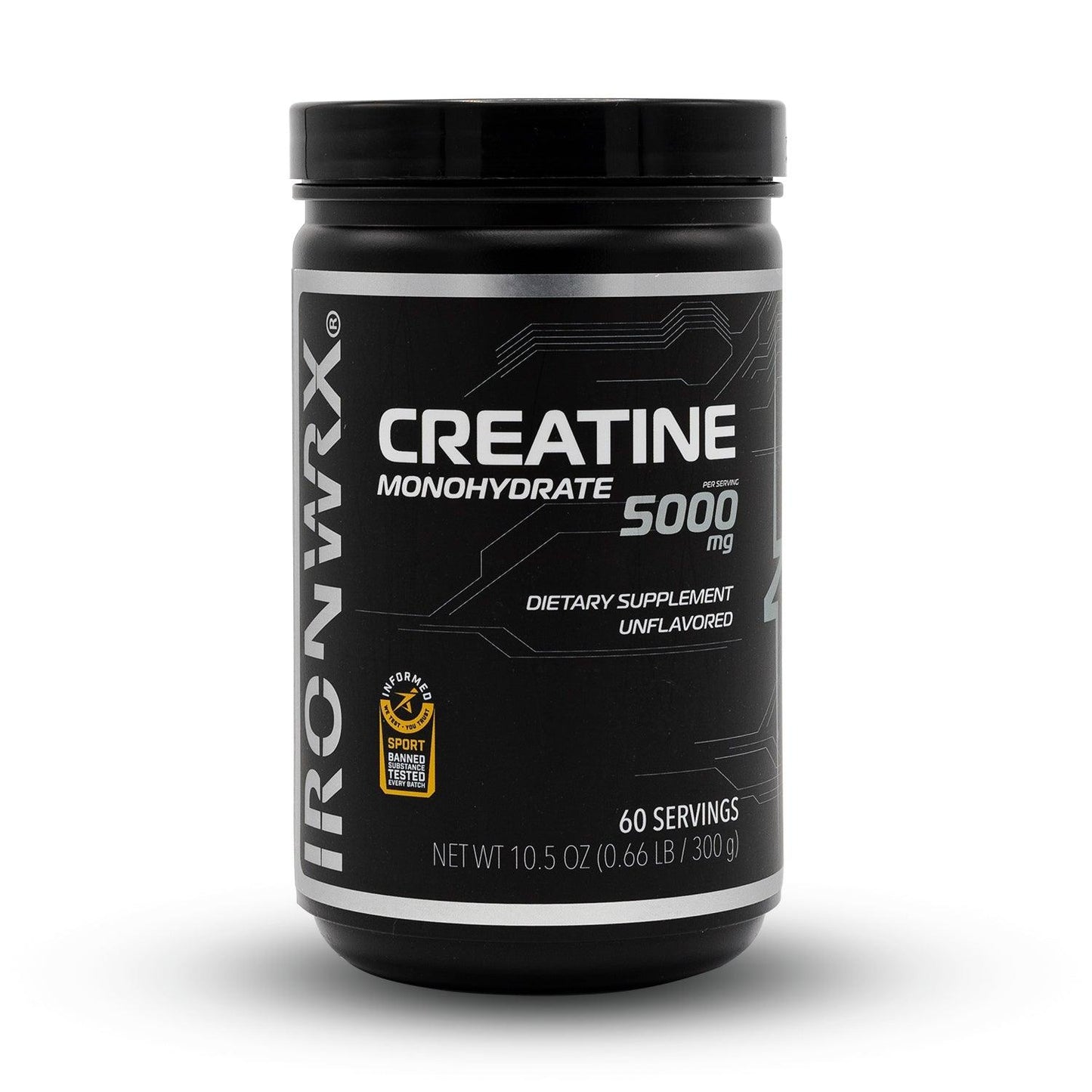
Creatine is a natural compound found in your muscles and brain. Your body makes it, and you also get small amounts from foods like meat and fish. Its main job is to help produce quick energy (ATP), especially during short bursts of effort like sprinting or lifting weights.
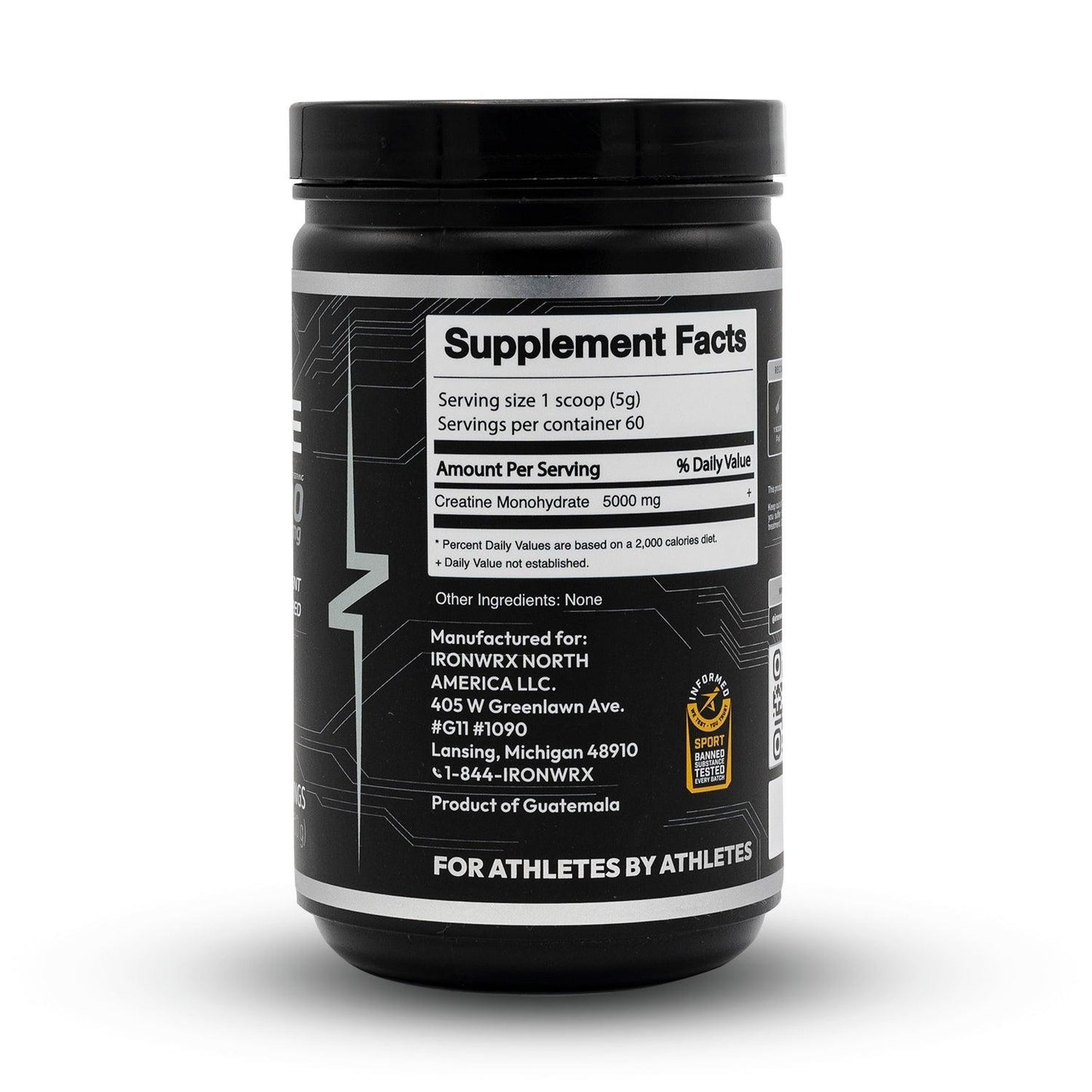
The most studied form is creatine monohydrate, which research consistently shows is effective and well absorbed (Gajda-Bathelt et al., 2025); (Wydra-Rojek et al., 2024).
Builds Strength and Muscle
This is where creatine shines.
Research consistently shows creatine supplementation:
- Increases strength and power
- Improves sprint performance
- Increases lean muscle mass
- Enhances resistance training results
These benefits are especially clear when creatine is combined with weight training (Wax et al., 2021); (Cooper et al., 2012); (Dorrell et al., 2016).
One review found an average increase in lean body mass of about 1.3 kg with supplementation (Sobiński et al., 2025).
Bottom line: If your goal is strength, muscle growth, or improved high-intensity performance, creatine is one of the most effective supplements available.
May Help You Recover Faster
Creatine doesn’t just help during workouts — it may also help after them.
Research suggests creatine may:
- Reduce markers of muscle damage
- Improve recovery between intense training sessions
- Support performance during repeated efforts
(Wax et al., 2021); (Twycross-Lewis et al., 2016).
It may even support thermoregulation (how your body handles heat), which is important for athletes and people working in demanding conditions (Twycross-Lewis et al., 2016).
In tactical professions like firefighters, creatine may support physical resilience and cognitive performance under stress (Gonzalez et al., 2024).
Bottom line: Creatine may help you bounce back faster from hard training.
Supports Brain Function and Mental Performance
This is where creatine becomes especially interesting.
Because the brain also requires large amounts of energy, creatine may help support:
- Memory
- Processing speed
- Cognitive performance under stress
- Mood and depressive symptoms
(Gajda-Bathelt et al., 2025); (Sobiński et al., 2025); (Tomczyk et al., 2025).
Some researchers suggest creatine supports brain energy metabolism, reduces oxidative stress, and may offer neuroprotective effects (Ribeiro et al., 2025).
Older adults may see particular benefits for memory and cognition (Gajda-Bathelt et al., 2025).
Bottom line: Creatine isn’t just for muscles — it may also support brain health.
A Tool for Healthy Aging
As we age, we naturally lose muscle mass and strength (a condition called sarcopenia). Research suggests creatine may help slow this process.
In older adults, creatine combined with resistance training has been shown to:
- Increase lean mass
- Improve strength
- Enhance functional ability
- Possibly support bone health
(Candow et al., 2025).
In women, especially post-menopause, creatine may help support muscle and bone health when combined with resistance training (Smith-Ryan et al., 2021).
Bottom line: Creatine may be a low-cost, accessible strategy to support strength and independence as you age.
Is Creatine Safe?
One of the biggest concerns people have is safety.
Multiple reviews report:
- No harmful effects on kidney function in healthy individuals
- No harmful effects on liver function
- Minimal side effects (occasionally mild stomach discomfort or temporary water weight gain)
(Sobiński et al., 2025); (Dorrell et al., 2016).
Creatine monohydrate remains the most studied and recommended form (Gajda-Bathelt et al., 2025).
As with any supplement, individuals with medical conditions should consult a healthcare professional before use.
Final Takeaway
Creatine is one of the most researched and effective supplements available.
It can:
- Improve strength and muscle mass
- Enhance high-intensity performance
- Support recovery
- Potentially benefit brain function
- Help maintain muscle and function as you age
And for healthy individuals, it appears to be safe when used at recommended doses.
Creatine may have started as a “gym supplement,” but science shows it has much broader applications for performance, resilience, and healthy aging.